


 Send Inquiry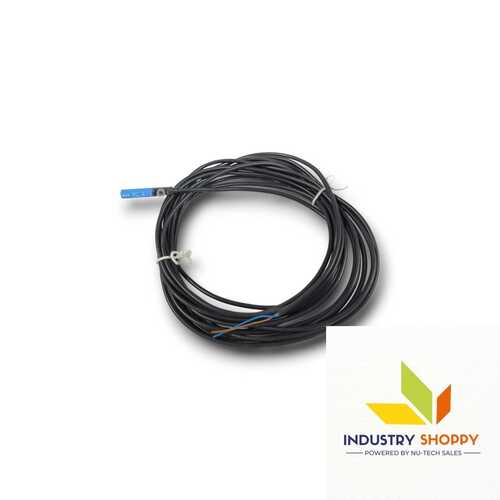



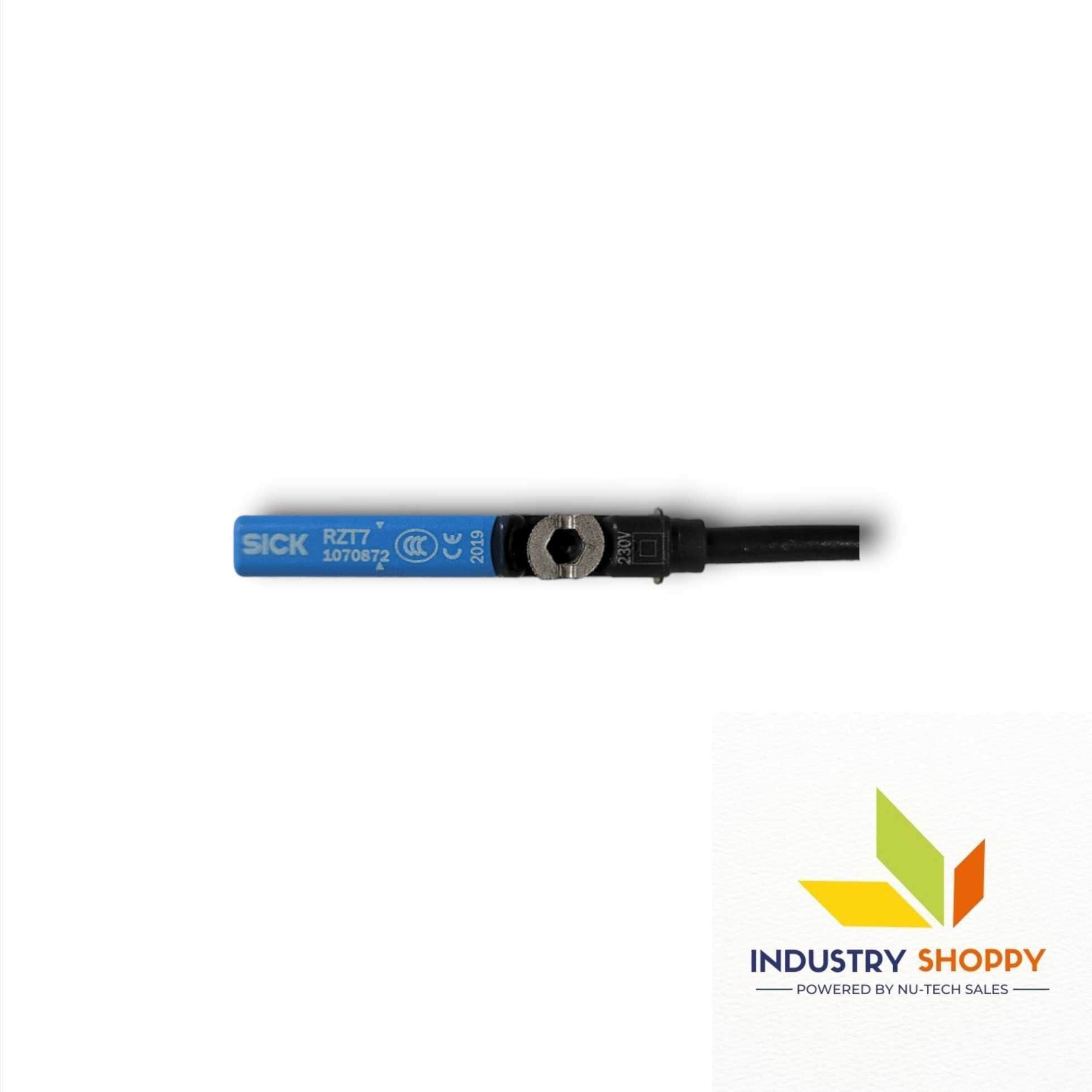
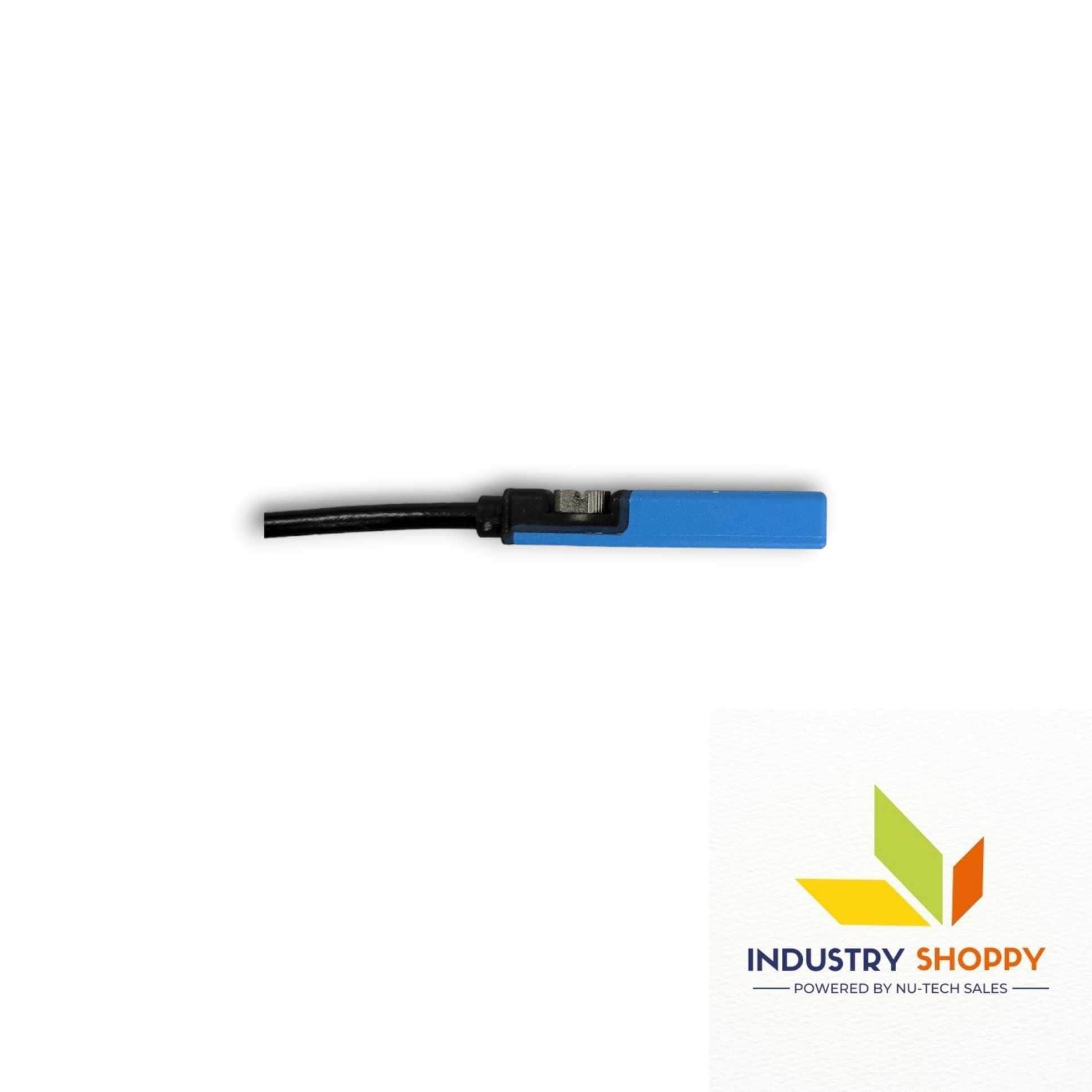
SICK RZT7-03ZWS-KWB Magnetic Sensor
Product Details:
- Product Type Magnetic Sensor
- Power Rating 5 V AC/DC 230 V AC/DC
- Material Plastic
- Usage Industrial Applications
- Accuracy 100 %
- Weight 200 Grams (g)
- Warranty 12 Months
- Click to View more
SICK RZT7-03ZWS-KWB Magnetic Sensor Price And Quantity
- 100 Piece
- 975 INR/Piece
SICK RZT7-03ZWS-KWB Magnetic Sensor Product Specifications
- 100 %
- 200 Grams (g)
- 12 Months
- Plastic
- Accuracy, Durability, Very less power consumption and Long service life.
- Magnetic Sensor
- 5 V AC/DC 230 V AC/DC
- Industrial Applications
SICK RZT7-03ZWS-KWB Magnetic Sensor Trade Information
- Paypal, Cash in Advance (CID), Cheque, Western Union
- 500 Piece Per Month
- 2 Days
Product Description
The Sick RZT7-03ZWS-KWB Magnetic Sensor, Part No. 1070872 is designed for various cylinder types, including T-slot, profile cylinder, tie rod cylinder, round body cylinder, dovetail groove cylinder, SMC rail CDQ2, and SMC rail ECDQ2. Its housing length is 32.5 mm, providing compact yet robust construction.
Equipped with a Reed switching output, the sensor operates at a frequency of 400 Hz and supports a normally open (NO) output function. It accommodates AC/DC 2-wire electrical wiring and features an IP65/IP67 enclosure rating, ensuring protection against dust and water ingress.
The SICK RZT7-03ZWS-KWB Magnetic Sensor boasts a wide supply voltage range from 5 V AC/DC to 230 V AC/DC, with a rated insulation voltage (Ui) of 230 V and a rated impulse withstand voltage (Uimp) of 4 kV. It offers reliable performance across temperatures ranging from -30 C to +70 C and is resistant to shocks and vibrations up to 30 g. Moreover, it complies with EMC standards specified in EN 60947-5-2.
The SICK RZT7-03ZWS-KWB Magnetic Sensor is a precision-driven solution for cylinder position detection. It offers reliability and versatility in industrial automation. Advanced magnetic sensing technology ensures accuracy. Its easy to integrate into automation processes. The sensor optimizes cylinder position detection tasks. It ensures accuracy across various applications.
Our engineers has entered all the specification details about this sensor according to the datasheet. Despite potential operational errors, the sensor ensures reliability with its robust design and accurate detection capabilities. Furthermore, its essential to acknowledge that all trademarks and trade names mentioned on our site belong to their respective owners.
Exceptional Performance for Industrial Needs
Engineered for industrial applications, the SICK RZT7-03ZWS-KWB Magnetic Sensor offers superior accuracy and operational reliability. Its advanced features minimize energy consumption while guaranteeing long-term service, making it a top choice for businesses demanding robust sensors.
Versatile Power Compatibility
With a wide input power rating from 5 V AC/DC to 230 V AC/DC, this sensor adapts to diverse electrical setups, providing flexibility in integration across various industrial environments. This versatility makes installation straightforward, regardless of existing infrastructure.
FAQ's of SICK RZT7-03ZWS-KWB Magnetic Sensor:
Q: How does the SICK RZT7-03ZWS-KWB Magnetic Sensor ensure high accuracy in industrial environments?
A: The sensor achieves 100% accuracy through its advanced magnetic detection technology, which ensures precise operation even in demanding industrial settings. Its design minimizes interference, resulting in reliable measurements every time.Q: What are the main benefits of using this magnetic sensor in industrial applications?
A: The main benefits include high accuracy, exceptional durability, very low power consumption, and an extended service life. These features translate to reduced maintenance costs and increased system reliability for industrial users.Q: When is it optimal to use the SICK RZT7-03ZWS-KWB Magnetic Sensor?
A: It is ideal for industrial automation systems requiring precise position or presence detection. The sensor performs reliably in harsh environments due to its durable construction and wide power compatibility.Q: Where can I purchase the SICK RZT7-03ZWS-KWB Magnetic Sensor in China?
A: This magnetic sensor is available through multiple channels such as authorized dealers, distributors, exporters, importers, manufacturers, retailers, service providers, suppliers, and wholesalers across China.Q: What is the process for installing the SICK RZT7-03ZWS-KWB Magnetic Sensor?
A: Installation involves connecting the sensor to a compatible power source within the 5 V to 230 V AC/DC range, followed by mounting it at the desired location for targeted detection. The compact size (200 grams) and material make handling and setup straightforward.Q: How can the long service life of this sensor benefit my operations?
A: The sensor's long service life minimizes replacements and downtime, fostering continuous operation in critical industrial systems, and thus enhancing overall productivity.
Price:
- 50
- 100
- 200
- 250
- 500
- 1000+


- Basement Floor, Plot No. 32, Pocket-03, Sector-A5, Narela,Delhi - 110040, India
- Phone : 07971190906
GST : 07APDPK0290A1ZH
- Mr Sanjeev Kumar (CEO)
- Mobile : 07971190906
- sales@industryshoppy.in
- Industrial LCD Module
- Industrial Cooling FAN
- Industrial Touch Panel
- Industrial Membrane Keypad
- Resistive Touch Screen
- IR Touch Overlay
- HMIs & PLC Modules
- SAW Surface Wave Touch Screen
- Touch Monitors
- Safety Light Curtains
- Rotary Encoder
- Ac Drive
- Gear Head
- Gear Motor
- Servo Drive & Servo Motor
- Speed Controller
- Protective Sticker
- Temparature Controller
- Color Mark Sensor
- Photoelectric Sensor
- Proximity Sensor
- Contrast Sensor
- Medical Equipment & Sensors
- Slot / Gap / Label Sensor
- Digital Pressure Sensor
- Laser Distance Sensor
- Fibre Optic Sensor
- Inductive Proximity Sensor
- Area Sensor
- Fork Sensor
- Diffuse Sensor
- Magnetic Sensor
- Ultasonic Sensor
- Safety Door Switch
- Door Switch

 Send Inquiry
 Send SMS
 Call Me Free
Developed and Managed by Infocom Network Private Limited.

