


 Send Inquiry
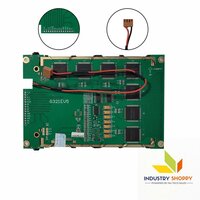
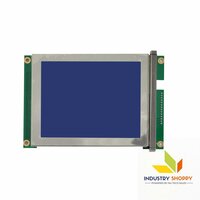
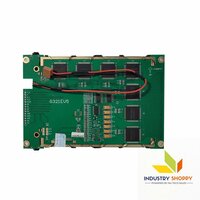
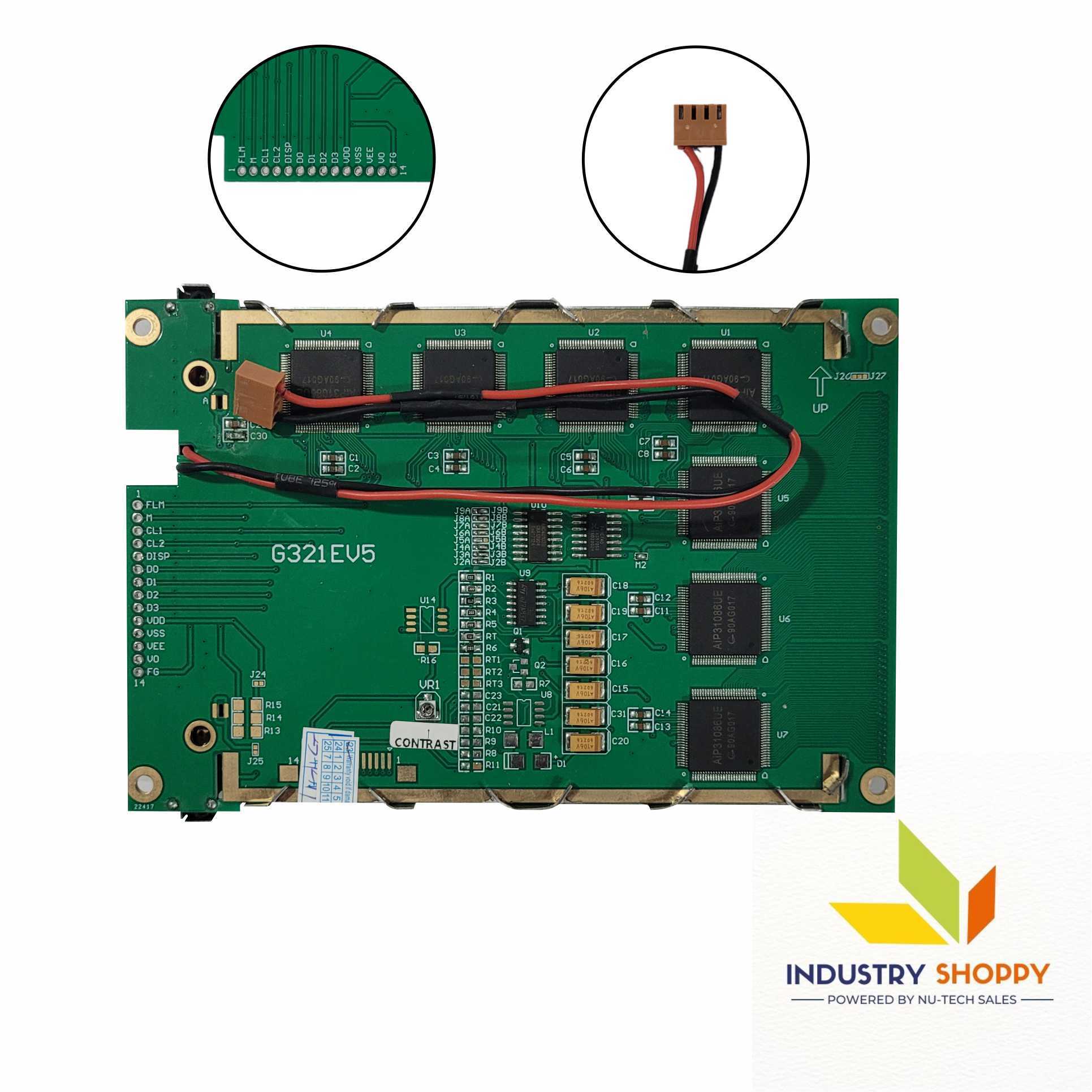
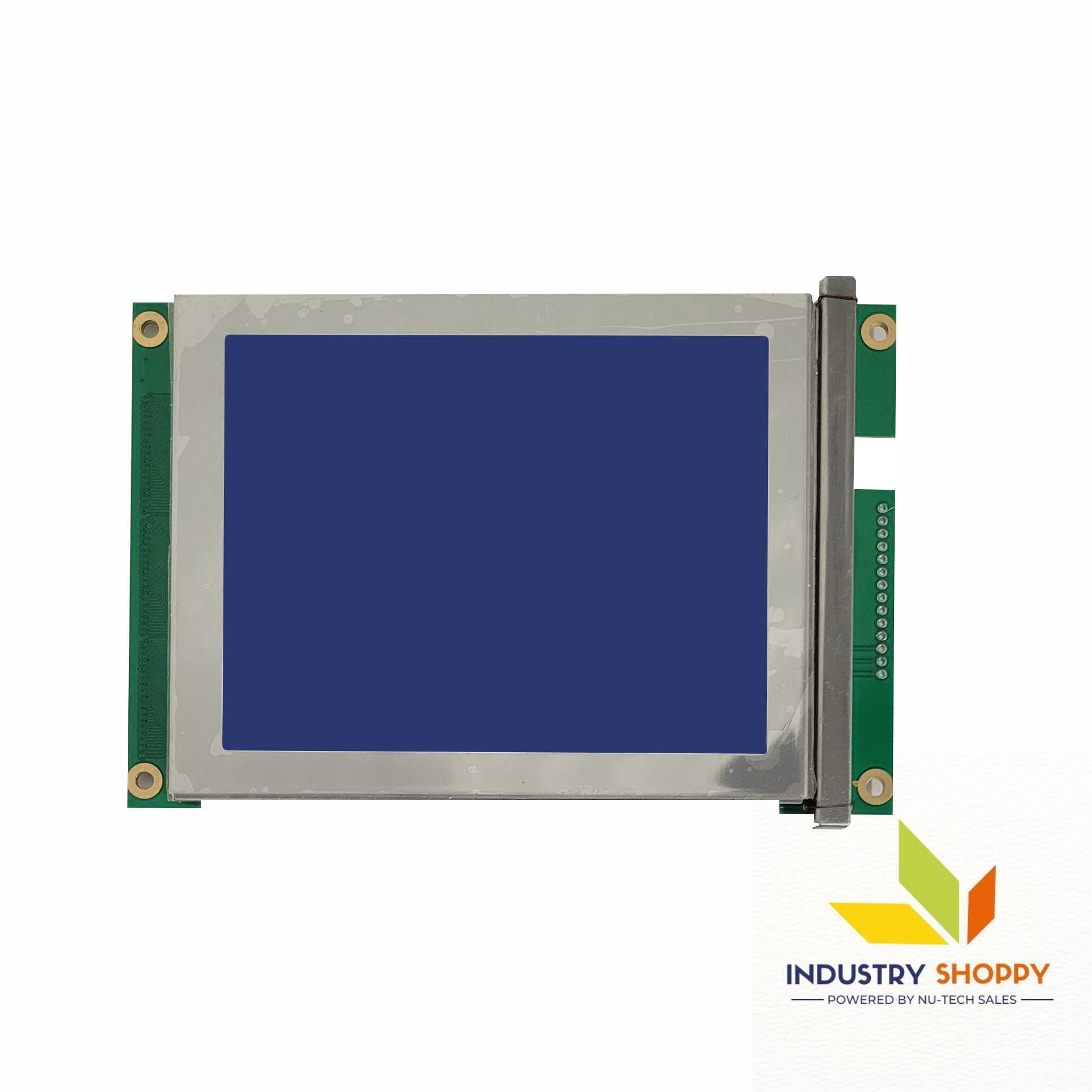
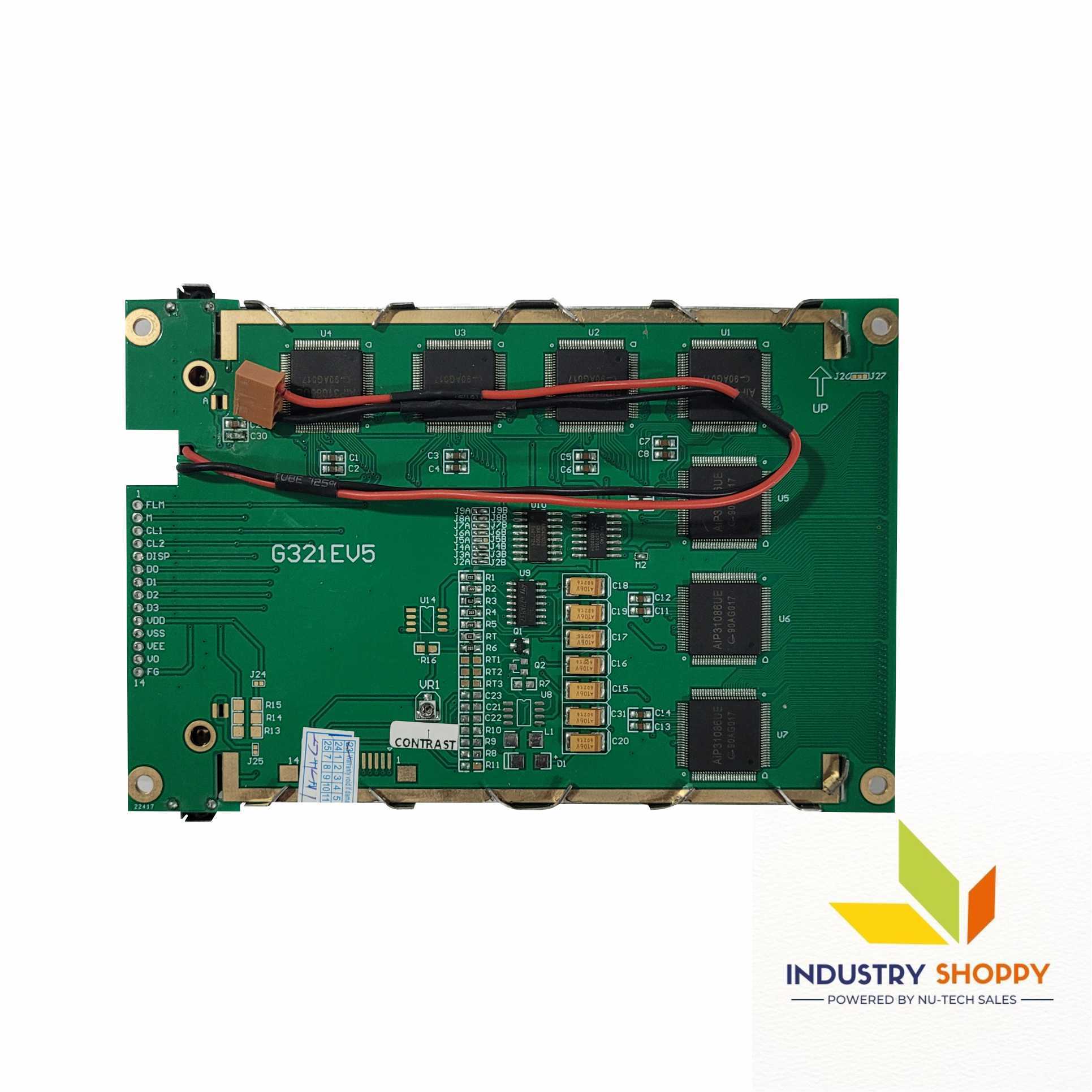
G321EV5 LCD Display
5582 INR/Piece
Product Details:
- Product Type LCD Display
- Dimension (L*W*H) 165.0 mm x 104.0 mm x 10.0 mm (approximate) Millimeter (mm)
- Application Industrial
- Installation Guideline Professional installation is recommended to prevent damage.
- Usage mainly used in industrial and medical applications.
- Size 5.1 inches
- Click to View more
X
G321EV5 LCD Display Price And Quantity
- 5582 INR/Piece
- 100 Piece
G321EV5 LCD Display Product Specifications
- Industrial
- Professional installation is recommended to prevent damage.
- mainly used in industrial and medical applications.
- 165.0 mm x 104.0 mm x 10.0 mm (approximate) Millimeter (mm)
- LCD Display
- 5.1 inches
G321EV5 LCD Display Trade Information
- 500 Piece Per Month
- 2 Days
Product Description
Here are the specifications for the G321EV5 LCD Module:
Key Specifications:
- Display Type: Graphic LCD Module
- Size: 5.1 inches
- Resolution: 320 x 240 pixels (QVGA)
- Display Mode: STN, Positive, Transflective
- Viewing Angle: 12 o'clock
- Backlight Type: LED (typically Yellow-Green or White)
- Controller IC: T6963C or equivalent
- Interface: Parallel (8-bit or 6800 series)
- Supply Voltage: 5V
- Operating Temperature Range: -20C to +70C
- Storage Temperature Range: -30C to +80C
- Dimensions: 165.0 mm x 104.0 mm x 10.0 mm (approximate)
- Active Area: 120.14 mm x 92.14 mm
- Dot Size: 0.36 mm x 0.36 mm
- Dot Pitch: 0.38 mm x 0.38 mm
Features:
- High Resolution: Provides clear and detailed graphical display suitable for various applications.
- Transflective Display Mode: Ensures good readability in various lighting conditions, including sunlight.
- LED Backlight: Enhances visibility and allows for energy-efficient operation.
- Standard Controller: Easy integration with T6963C or equivalent controllers.
- Parallel Interface: Supports both 8-bit mode and 6800 series interface for flexible connection options.
- Wide Temperature Range: Suitable for industrial and outdoor environments.
- Compact Size: Fits into applications where space is limited.
Industrial and Medical-Grade Display
The G321EV5 LCD Display is tailored for integration in both industrial and medical apparatus, offering users unmatched image clarity and dependability. Its robust design is suited to withstand demanding operational settings while maintaining performance, making it ideal for environments where both quality and reliability are essential factors.
Precision Engineering and Sizing
With an effective display area measuring 5.1 inches and overall dimensions of 165.0 mm x 104.0 mm x 10.0 mm, the G321EV5 is engineered for installations where precise fitting is crucial. Its slim profile simplifies integration into machines and devices, maximizing versatility across diverse applications.
FAQ's of G321EV5 LCD Display:
Q: How should the G321EV5 LCD Display be installed to prevent damage?
A: It is recommended to have the G321EV5 LCD Display installed by a professional technician to ensure correct handling and minimize the risk of damage. Proper installation helps maintain both the warranty and the device's performance.Q: What are the key applications for the G321EV5 LCD Display?
A: This display is mainly used in industrial and medical settings, where precise visualization and reliable operation are required. Its robust construction enables it to perform well in both environments.Q: When is professional installation necessary for the G321EV5 LCD Display?
A: Professional installation is strongly recommended whenever the display is integrated into any system. This ensures correct mounting, connection, and start-up, reducing the likelihood of functional errors and physical damage.Q: Where can I purchase the G321EV5 LCD Display?
A: The G321EV5 LCD Display is available from a network of dealers, distributors, exporters, importers, manufacturers, retailers, service providers, suppliers, and wholesalers-primarily based in China but accessible globally.Q: What is the process for integrating the G321EV5 LCD Display into my equipment?
A: First, consult the installation guide and gather the necessary tools. Engage a qualified technician to mount the display, connect power and data cables securely, and verify proper operation according to the equipment's requirements.Q: How is the G321EV5 LCD Display typically used in industrial and medical devices?
A: This LCD is employed for direct viewing interfaces, diagnostics, and control panels where clear, precise visual feedback is vital. Its size and clarity make it suitable for close-quarter displays and detailed monitoring.Q: What benefits does the G321EV5 LCD Display offer to users?
A: Users gain from its dependable performance, robust build, and excellent image quality. The display's size and features support advanced visualization needs, contributing to improved operational efficiency in industrial and medical contexts.Tell us about your requirement

Price:
Quantity
Select Unit
- 50
- 100
- 200
- 250
- 500
- 1000+
Additional detail
Mobile number
Email

Other Products in 'Industrial LCD Module' category

CONTACT US
- Basement Floor, Plot No. 32, Pocket-03, Sector-A5, Narela,Delhi - 110040, India
- Phone : 07971190906
NU-TECH SALES
GST : 07APDPK0290A1ZH
GST : 07APDPK0290A1ZH
- Mr Sanjeev Kumar (CEO)
- Mobile : 07971190906
- sales@industryshoppy.in
PRODUCTS
- Industrial LCD Module
- Industrial Cooling FAN
- Industrial Touch Panel
- Industrial Membrane Keypad
- Resistive Touch Screen
- IR Touch Overlay
- HMIs & PLC Modules
- SAW Surface Wave Touch Screen
- Touch Monitors
- Safety Light Curtains
- Rotary Encoder
- Ac Drive
- Gear Head
- Gear Motor
- Servo Drive & Servo Motor
- Speed Controller
- Protective Sticker
- Temparature Controller
- Color Mark Sensor
- Photoelectric Sensor
- Proximity Sensor
- Contrast Sensor
- Medical Equipment & Sensors
- Slot / Gap / Label Sensor
- Digital Pressure Sensor
- Laser Distance Sensor
- Fibre Optic Sensor
- Inductive Proximity Sensor
- Area Sensor
- Fork Sensor
- Diffuse Sensor
- Magnetic Sensor
- Ultasonic Sensor
- Safety Door Switch
- Door Switch

 Send Inquiry
 Send SMS
 Call Me Free
NU TECH SALES
All Rights Reserved.(Terms of Use)
Developed and Managed by Infocom Network Private Limited.
Developed and Managed by Infocom Network Private Limited.

