


 Send Inquiry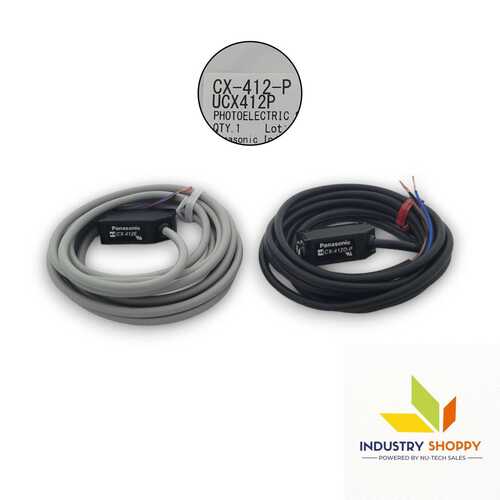
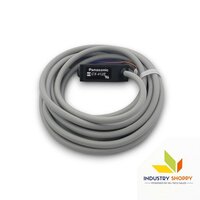
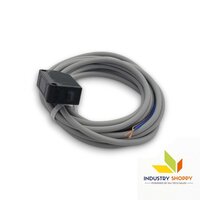
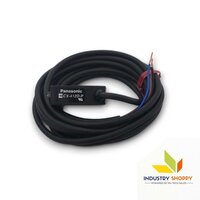
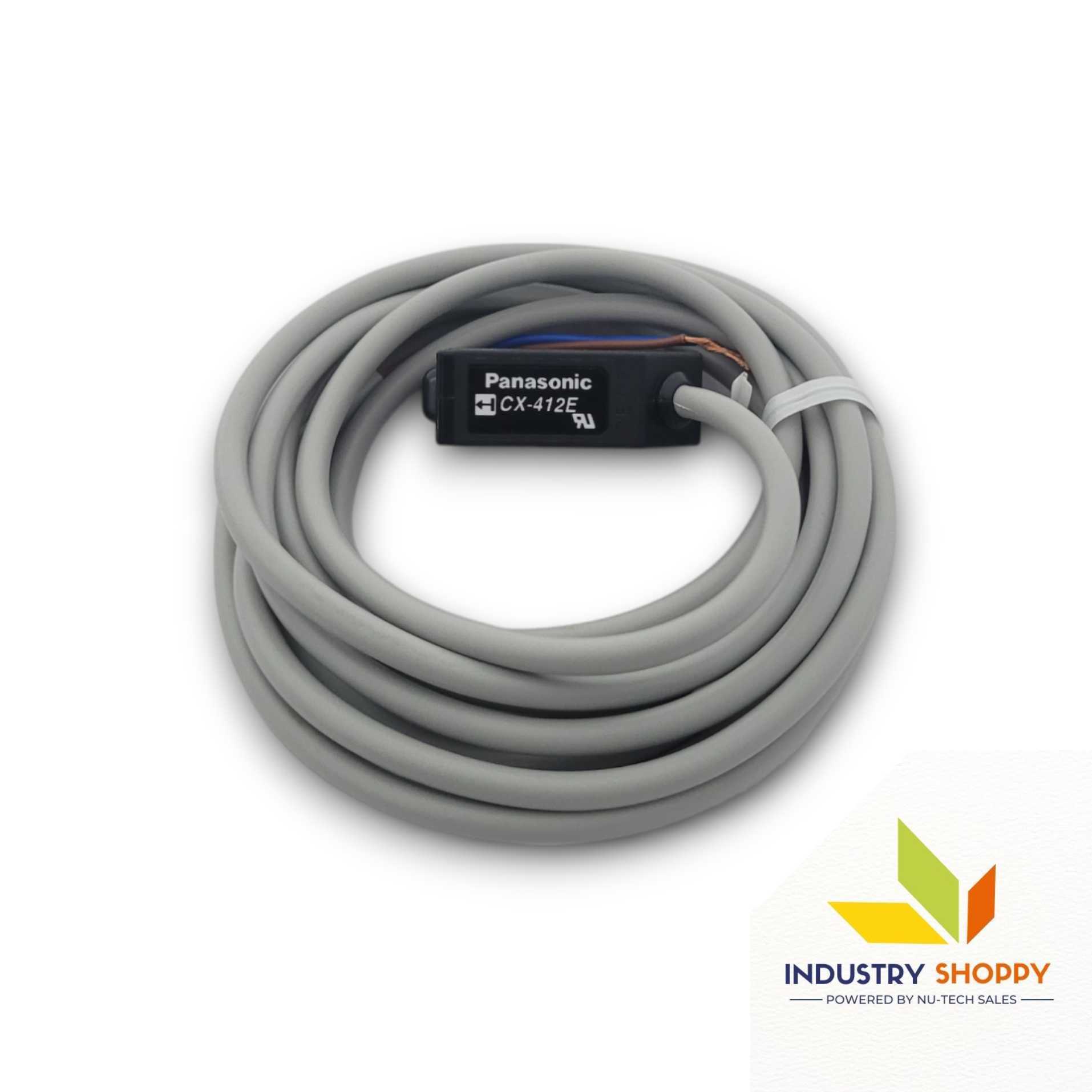
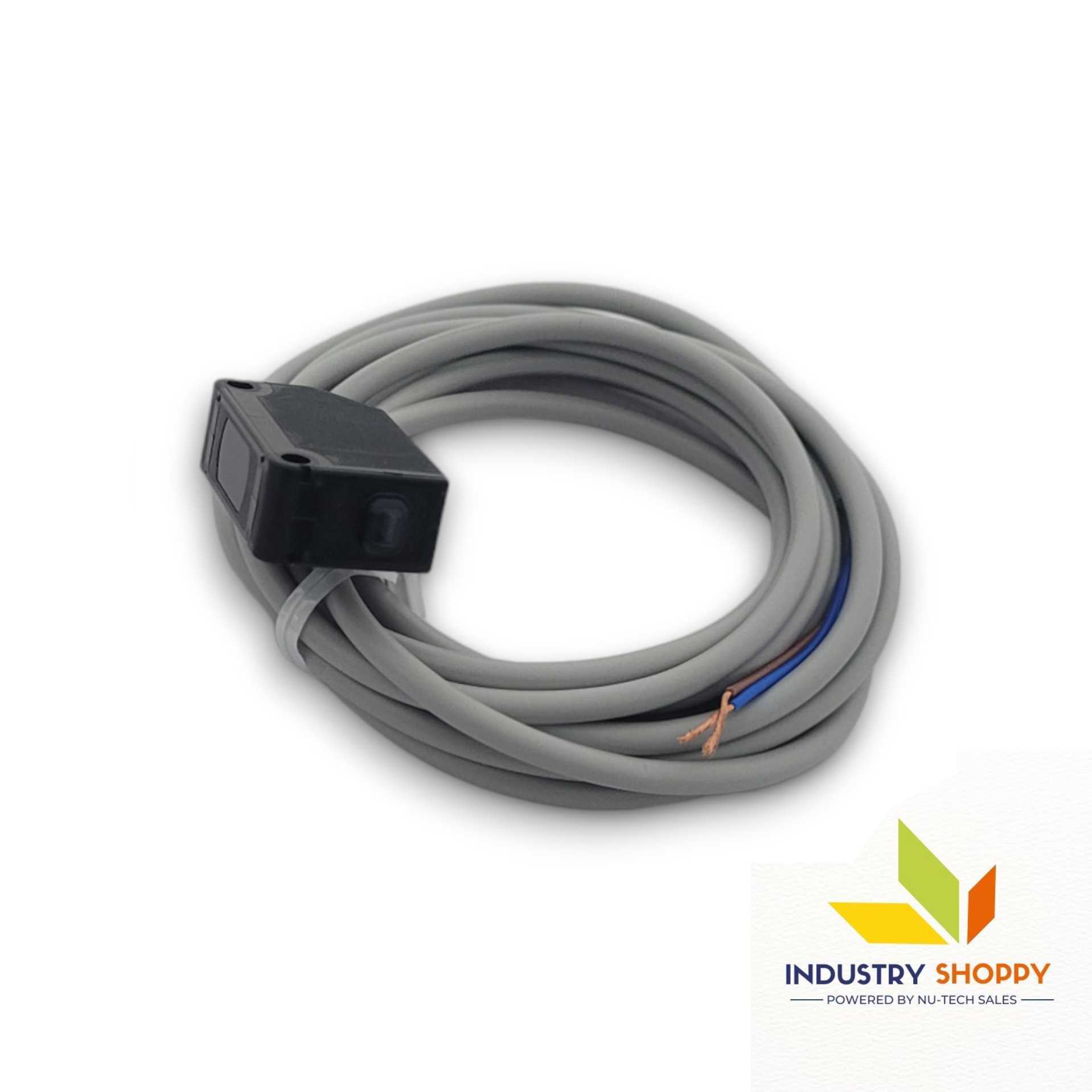
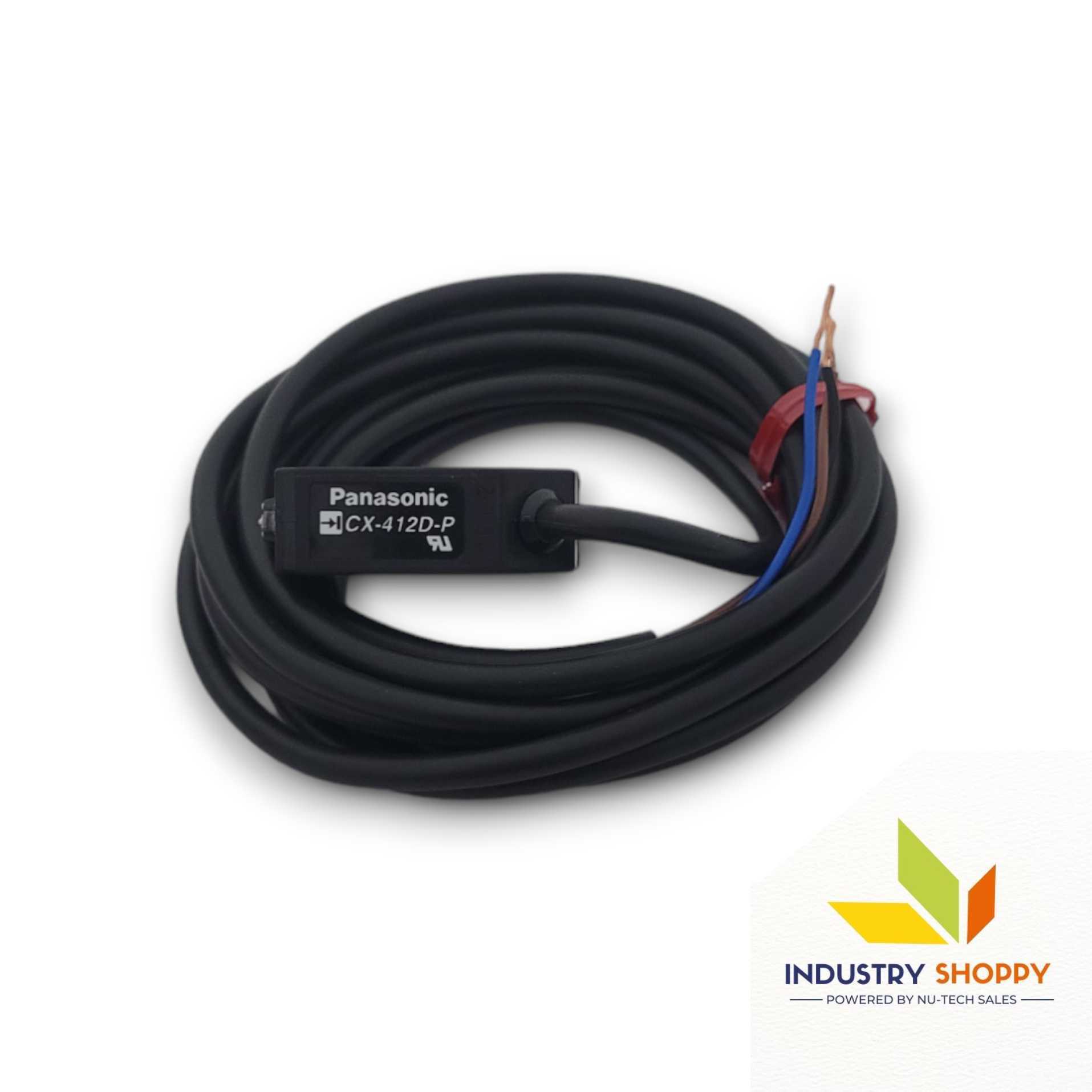
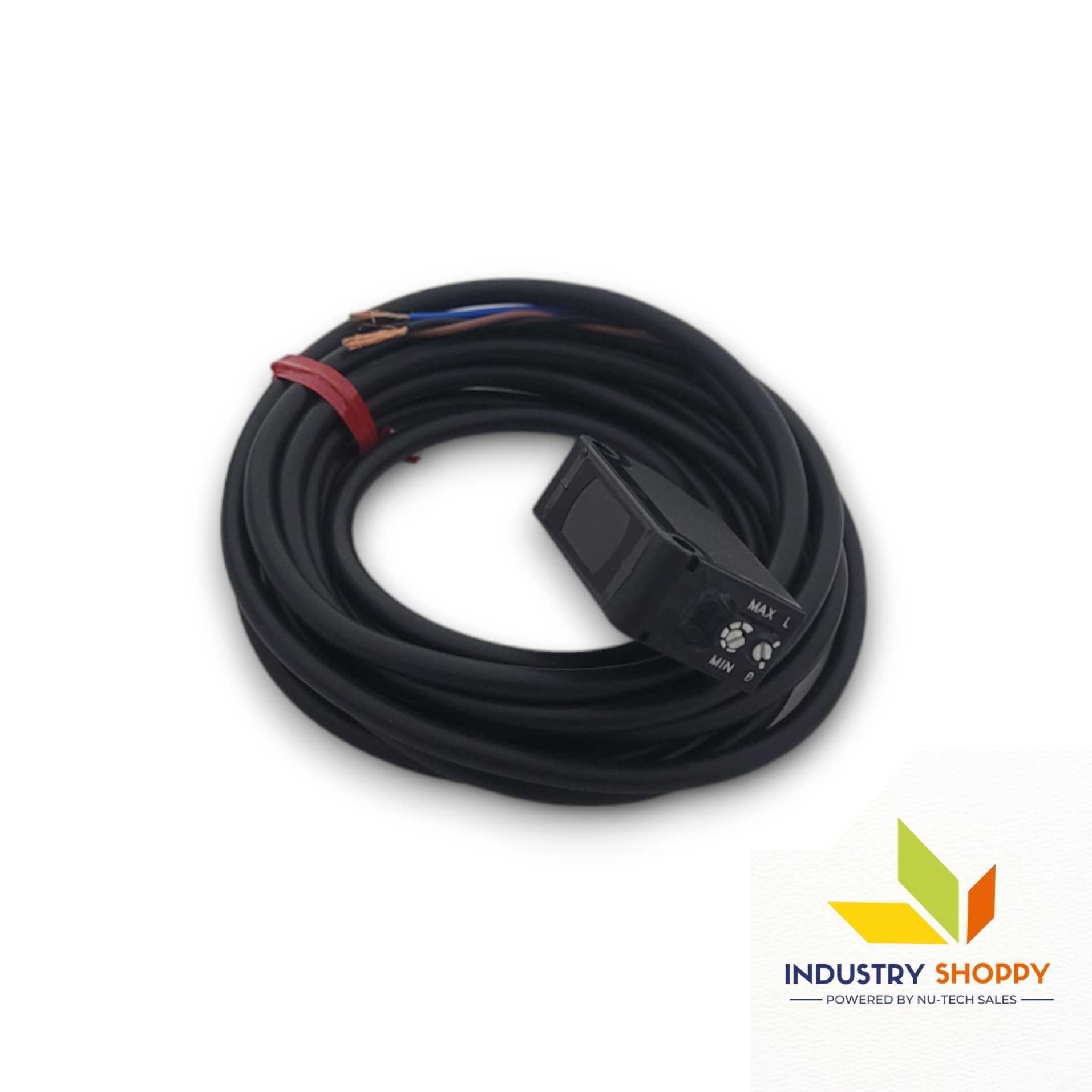
Panasonic CX-412-P Photoelectric Sensor
Product Details:
- Product Type Photoelectric Sensor
- Input 10-30V DC
- Usage Industrial Applications
- Accuracy 100 %
- Warranty 12 Months
- Features Accuracy, Durability, Very less power consumption and Long service life.
- Click to View more
Panasonic CX-412-P Photoelectric Sensor Price And Quantity
- 2820 INR/Piece
- 100 Piece
Panasonic CX-412-P Photoelectric Sensor Product Specifications
- 10-30V DC
- Accuracy, Durability, Very less power consumption and Long service life.
- Photoelectric Sensor
- Industrial Applications
- 100 %
- 12 Months
Panasonic CX-412-P Photoelectric Sensor Trade Information
- Paypal, Cash in Advance (CID), Cheque, Western Union
- 500 Piece Per Month
- 2 Days
Product Description
The Panasonic CX-412-P Photoelectric Sensor embodies advanced technology. It is designed to meet the stringent demands of industrial environments. Compliant with CE Marking Directives, including the EMC Directive and RoHS Directive, it ensures regulatory adherence. This guarantees reliability and safety during operation. With a sensing range of 15 meters, the CX-412-P provides precise detection capabilities. It is suitable for a wide range of industrial applications.
Crafted with durability and longevity in mind, the CX-412-P features an IP67 protection rating, safeguarding against dust and water ingress. Its robust construction, including an enclosure made from polybutylene terephthalate (PBT) and acrylic lens and indicator cover, ensures resilience in harsh environmental conditions. Additionally, the sensors PNP open-collector transistor output with incorporated short-circuit protection enhances safety and reliability in demanding industrial settings.
Manufactured in China, the Panasonic CX-412-P Photoelectric Sensor embodies quality craftsmanship and innovation. From its modulated infrared LED emitting element to its robust cable extension capabilities, every aspect of the CX-412-P sensor is meticulously designed to deliver exceptional performance in industrial sensing applications, providing reliable detection and efficient operation.
Exceptional Detection Precision
The CX-412-P promises 100% accuracy, ensuring that every object detection is both consistent and reliable. Its advanced photoelectric sensing technology is perfect for applications that demand unwavering performance and minimal error tolerance.
Robust Design for Demanding Environments
Engineered for durability, this sensor can withstand the challenging conditions of industrial workspaces. Its long service lifespan helps minimize maintenance and replacement costs, making it an efficient investment for any business.
Energy-Efficient Operation
The sensor's very low power consumption allows operations to remain sustainable while reducing overall energy costs. This feature is especially valuable in settings where multiple sensors are deployed for continuous workflow.
FAQ's of Panasonic CX-412-P Photoelectric Sensor:
Q: How does the Panasonic CX-412-P Photoelectric Sensor function in industrial applications?
A: The Panasonic CX-412-P Photoelectric Sensor uses advanced photoelectric technology to detect the presence or absence of objects with unmatched 100% accuracy. It operates reliably with an input voltage of 10-30V DC, making it suitable for a wide variety of industrial automation processes.Q: What are the primary benefits of using the CX-412-P Sensor in industrial settings?
A: Key benefits include precise object detection, significant energy savings due to very low power consumption, exceptional durability, and a long service life. These advantages help increase operational efficiency and reduce maintenance costs.Q: Where is the ideal location to install the Panasonic CX-412-P Sensor?
A: This sensor is best installed in environments where precision and reliability are critical, such as manufacturing lines, automation systems, or material handling processes. Its robust construction makes it suitable for various industrial applications.Q: When should I consider replacing or servicing this sensor?
A: With its long service life and 12-month warranty, the sensor rarely needs frequent replacement. However, regular checks in demanding environments help ensure continued optimal performance.Q: What is the process to purchase the CX-412-P Sensor from a supplier in China?
A: You can acquire the sensor through authorized dealers, distributors, exporters, importers, manufacturers, retailers, service providers, suppliers, or wholesalers based in China. Establishing direct contact with these entities will facilitate the purchase and ensure product authenticity.Q: How does low power consumption of the CX-412-P Sensor impact operational efficiency?
A: Its minimal power requirements help decrease energy expenses, especially when multiple units are used in large-scale industrial systems. This energy efficiency supports sustainable operations and long-term cost savings.
Price:
- 50
- 100
- 200
- 250
- 500
- 1000+

Other Products in 'Photoelectric Sensor ' category

- Basement Floor, Plot No. 32, Pocket-03, Sector-A5, Narela,Delhi - 110040, India
- Phone : 07971190906
GST : 07APDPK0290A1ZH
- Mr Sanjeev Kumar (CEO)
- Mobile : 07971190906
- sales@industryshoppy.in
- Industrial LCD Module
- Industrial Cooling FAN
- Industrial Touch Panel
- Industrial Membrane Keypad
- Resistive Touch Screen
- IR Touch Overlay
- HMIs & PLC Modules
- SAW Surface Wave Touch Screen
- Touch Monitors
- Safety Light Curtains
- Rotary Encoder
- Ac Drive
- Gear Head
- Gear Motor
- Servo Drive & Servo Motor
- Speed Controller
- Protective Sticker
- Temparature Controller
- Color Mark Sensor
- Photoelectric Sensor
- Proximity Sensor
- Contrast Sensor
- Medical Equipment & Sensors
- Slot / Gap / Label Sensor
- Digital Pressure Sensor
- Laser Distance Sensor
- Fibre Optic Sensor
- Inductive Proximity Sensor
- Area Sensor
- Fork Sensor
- Diffuse Sensor
- Magnetic Sensor
- Ultasonic Sensor
- Safety Door Switch
- Door Switch

 Send Inquiry
 Send SMS
Developed and Managed by Infocom Network Private Limited.

