


 Send Inquiry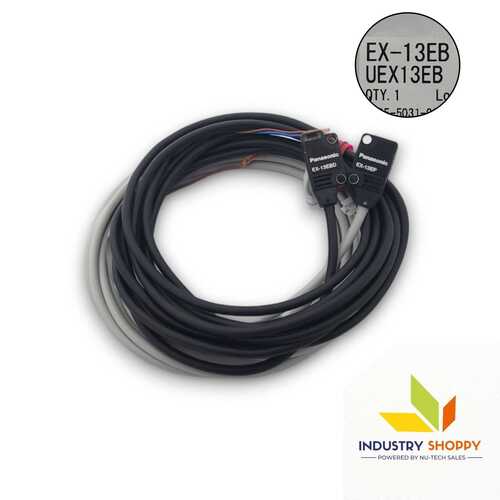
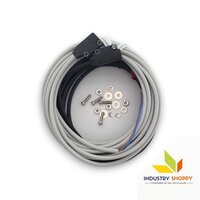
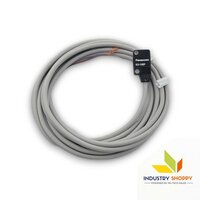
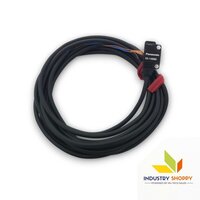
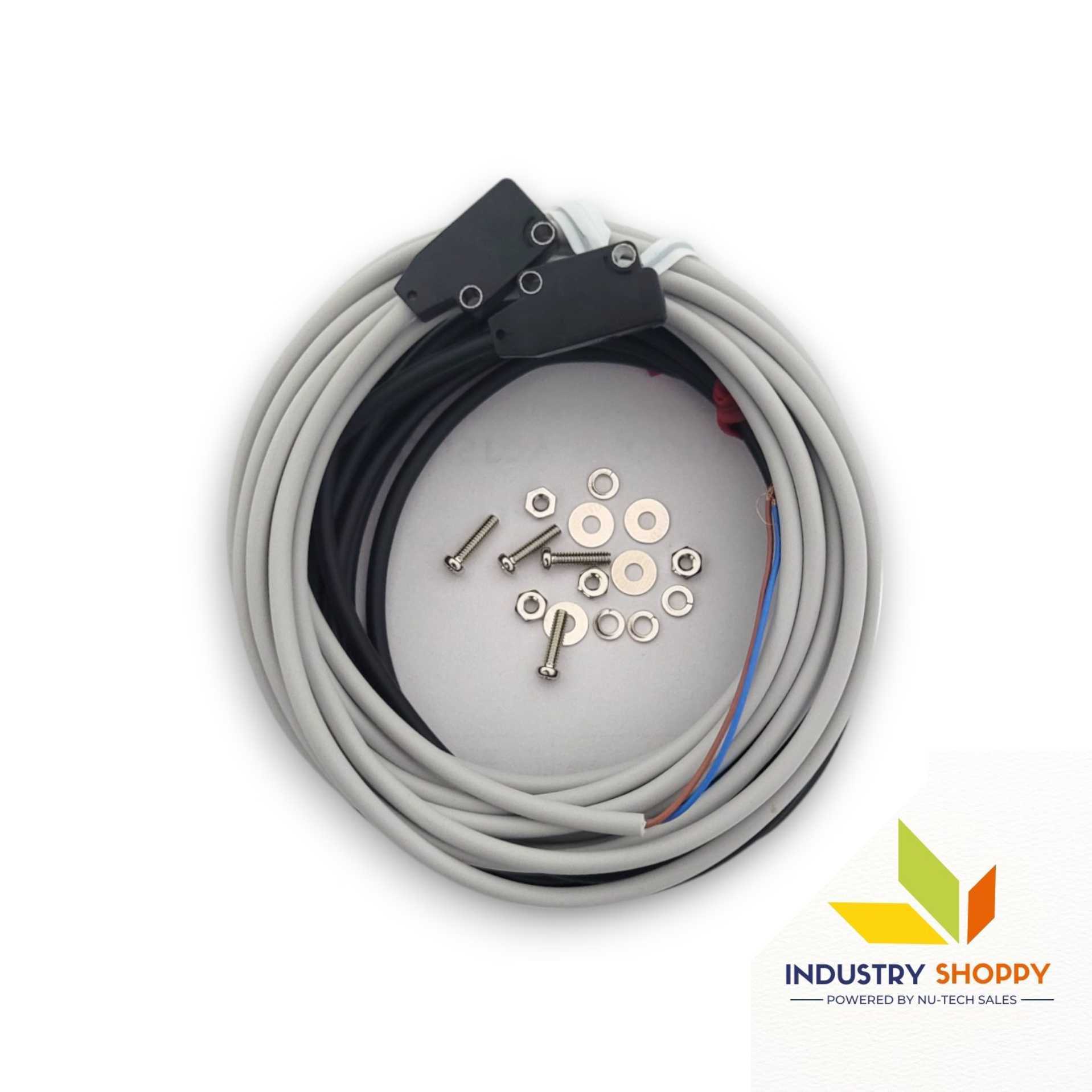
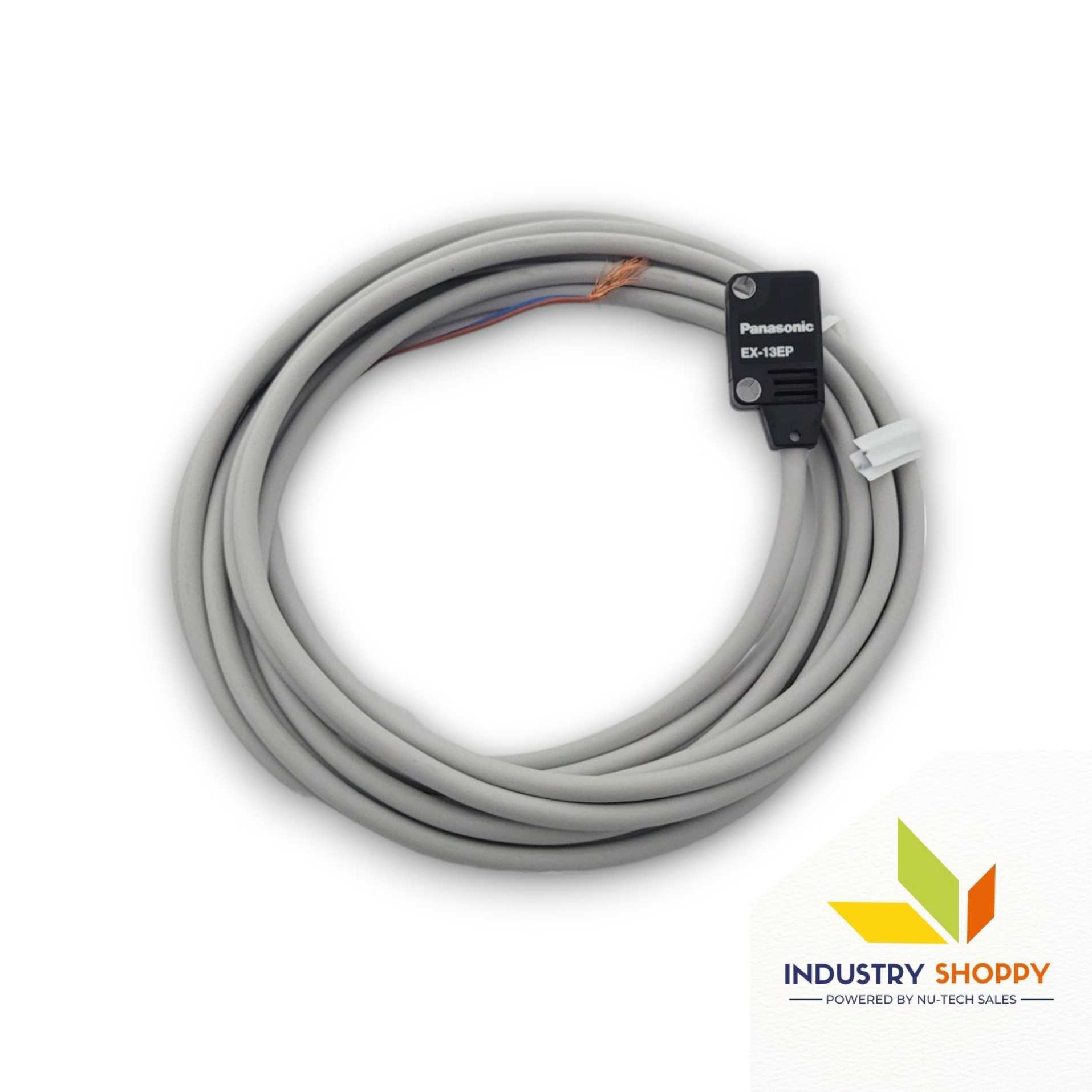
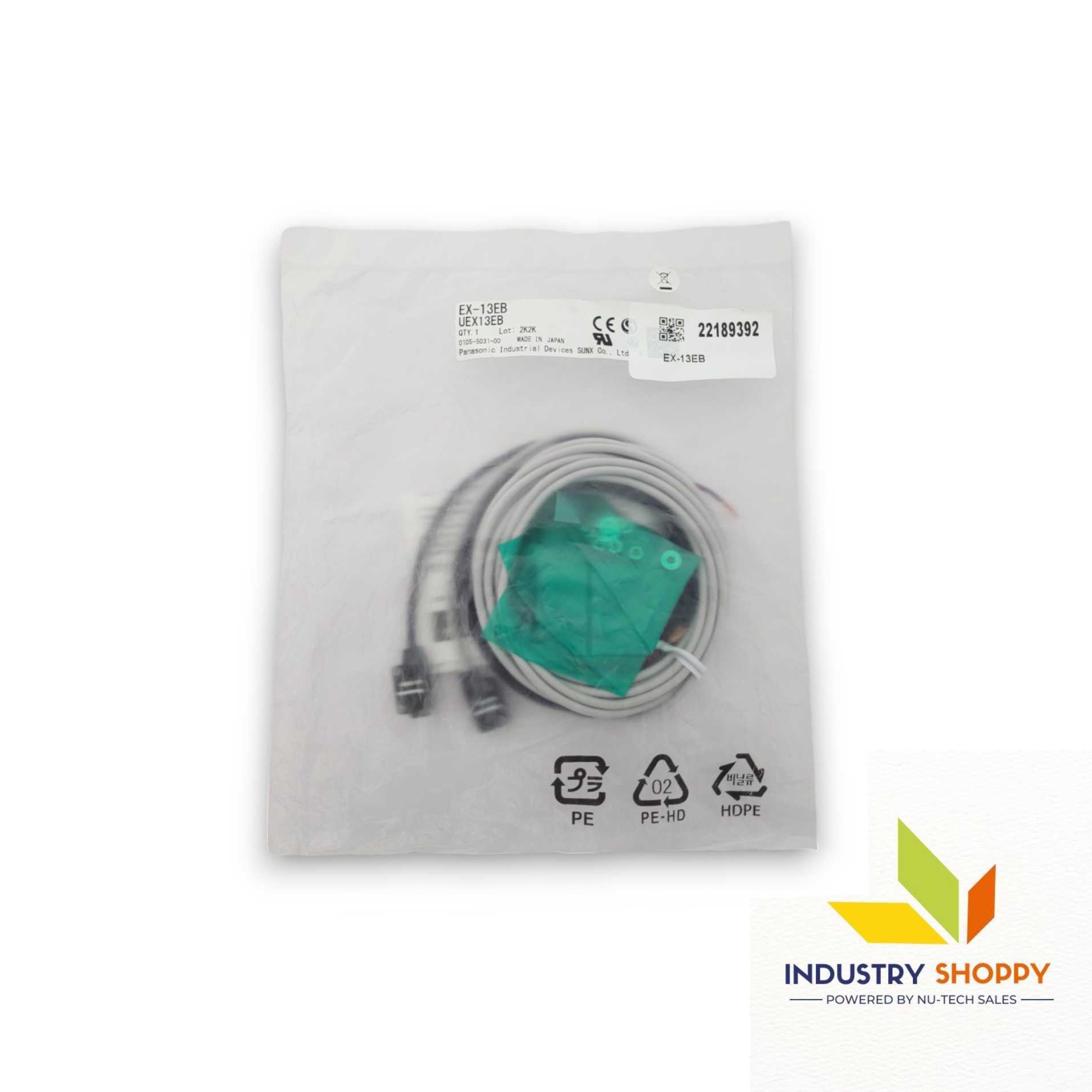
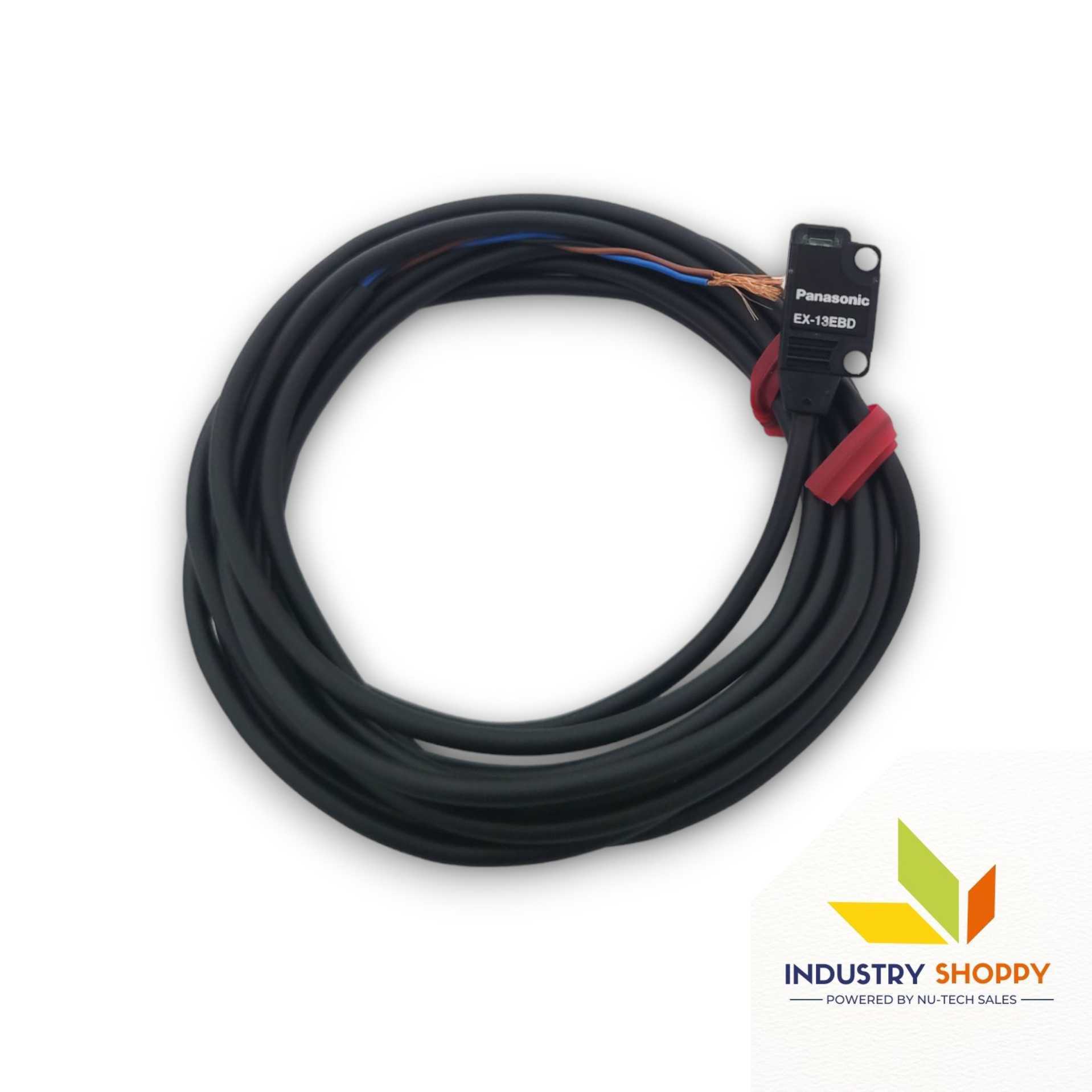
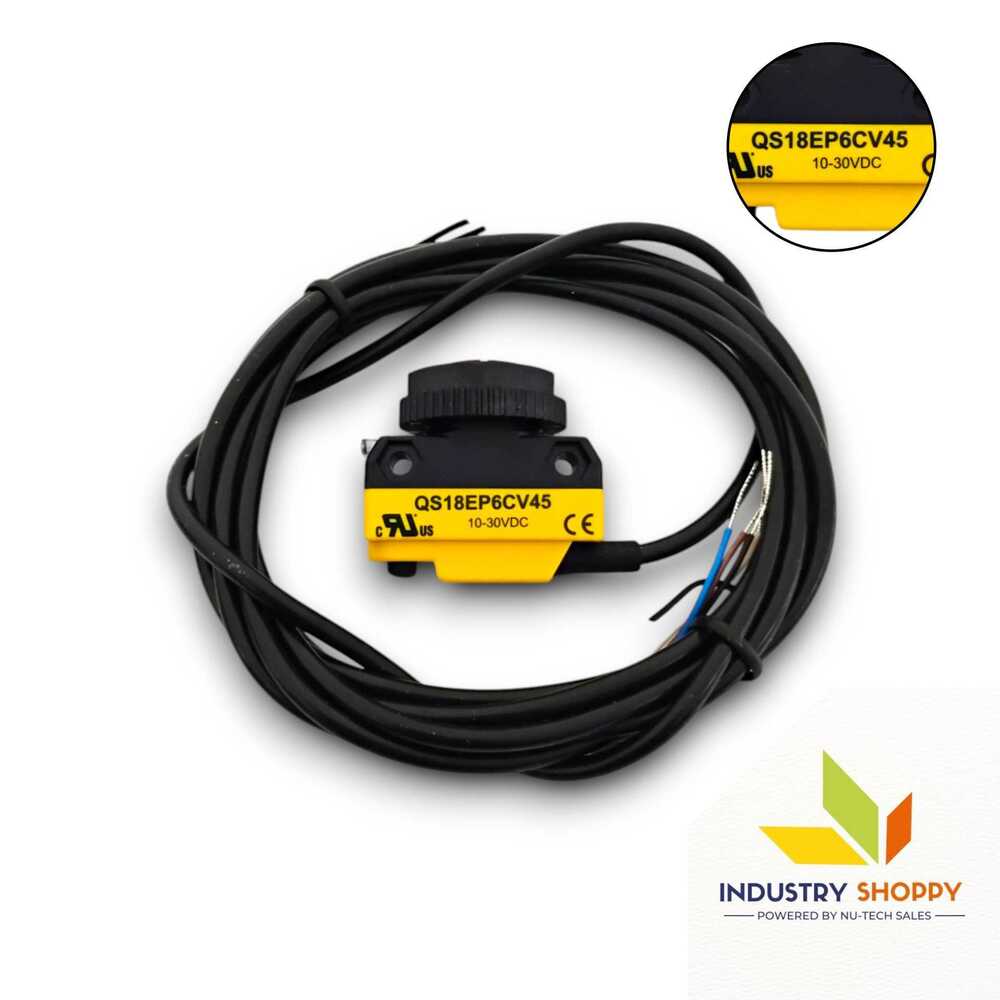
Panasonic EX-13EB Photoelectric Sensor
Product Details:
- Product Type Photoelectric Sensor
- Input 10-30V DC
- Usage Industrial Applications
- Accuracy 100 %
- Warranty 12 Months
- Features Accuracy, Durability, Very less power consumption and Long service life.
- Click to View more
Panasonic EX-13EB Photoelectric Sensor Price And Quantity
- 100 Piece
- 2525 INR/Piece
Panasonic EX-13EB Photoelectric Sensor Product Specifications
- Industrial Applications
- 10-30V DC
- 12 Months
- 100 %
- Photoelectric Sensor
- Accuracy, Durability, Very less power consumption and Long service life.
Panasonic EX-13EB Photoelectric Sensor Trade Information
- 500 Piece Per Month
- 2 Days
Product Description
The Panasonic EX-13EB Photoelectric Sensor, engineered for industrial environments, offers exceptional durability and reliability. With a sensing range of 500 mm and the ability to detect objects as small as 2 mm, it ensures precise detection in various applications. Operating on a supply voltage of 12 to 24 V DC with low current consumption, it prioritizes energy efficiency while delivering consistent performance.
The Panasonic EX-13EB Photoelectric Sensor features an NPN open-collector transistor output and short-circuit protection. This enables seamless integration into control systems, meeting Utilization Category DC-12 or DC-13 standards. Its rapid response time of 0.5 ms or less ensures efficient operation. Additionally, orange and green LED indicators provide clear feedback on the sensors status. This ensures stable performance even in changing conditions. With a pollution degree of 3 and an IP67 protection rating, it withstands industrial challenges with ease.
Made in Japan, it embodies quality craftsmanship and reliability, ideal for demanding industrial applications.
Our engineers acts wisely inputted all the required details of this sensor in accordance with the datasheet. Nevertheless, its imperative to recognize that errors may arise during this process. Despite our sincere efforts, its important to remain cautious. Inaccuracies can still occur nonetheless.
Precision and Reliability
The Panasonic EX-13EB Photoelectric Sensor delivers exceptional accuracy and consistency for demanding industrial environments. Its 100% accuracy rate ensures dependable detection, helping streamline automation processes and reduce errors in critical operations.
Efficient and Durable Design
Built to last, the sensor requires very little power and boasts a long service life. Its durable construction makes it suitable for continuous use in harsh industrial settings, ensuring you benefit from both longevity and reduced maintenance costs.
FAQ's of Panasonic EX-13EB Photoelectric Sensor:
Q: How does the Panasonic EX-13EB ensure high accuracy in industrial applications?
A: The EX-13EB utilizes advanced photoelectric sensing technology, achieving 100% accuracy by precisely detecting objects in various environments, making it ideal for automation and quality control processes in factories.Q: What are the benefits of the EX-13EB's low power consumption?
A: With very minimal power usage, the EX-13EB helps lower operational costs and supports energy-efficient manufacturing setups, making it both cost-effective and environmentally friendly.Q: When should the Panasonic EX-13EB be used in industrial settings?
A: This sensor is best used for object detection, counting, and automation tasks requiring reliable signal feedback and minimal maintenance-especially in environments demanding precise, uninterrupted operation.Q: Where can I purchase the Panasonic EX-13EB Photoelectric Sensor?
A: You can acquire this sensor through authorized dealers, distributors, manufacturers, suppliers, exporters, and importers in China, ensuring broad market availability for diverse business needs.Q: What is the warranty process for the Panasonic EX-13EB sensor?
A: The sensor comes with a 12-month warranty. Should issues arise within this period, you can contact your point of purchase-dealer, supplier, or retailer-to initiate warranty support or replacement procedures.Q: How does the sensor's long service life benefit industrial users?
A: A long service life minimizes downtime and reduces the frequency of replacements, leading to lower maintenance costs and enhanced operational efficiency for industrial users.
Price:
- 50
- 100
- 200
- 250
- 500
- 1000+

Other Products in 'Photoelectric Sensor ' category

- Basement Floor, Plot No. 32, Pocket-03, Sector-A5, Narela,Delhi - 110040, India
- Phone : 07971190906
GST : 07APDPK0290A1ZH
- Mr Sanjeev Kumar (CEO)
- Mobile : 07971190906
- sales@industryshoppy.in
- Industrial LCD Module
- Industrial Cooling FAN
- Industrial Touch Panel
- Industrial Membrane Keypad
- Resistive Touch Screen
- IR Touch Overlay
- HMIs & PLC Modules
- SAW Surface Wave Touch Screen
- Touch Monitors
- Safety Light Curtains
- Rotary Encoder
- Ac Drive
- Gear Head
- Gear Motor
- Servo Drive & Servo Motor
- Speed Controller
- Protective Sticker
- Temparature Controller
- Color Mark Sensor
- Photoelectric Sensor
- Proximity Sensor
- Contrast Sensor
- Medical Equipment & Sensors
- Slot / Gap / Label Sensor
- Digital Pressure Sensor
- Laser Distance Sensor
- Fibre Optic Sensor
- Inductive Proximity Sensor
- Area Sensor
- Fork Sensor
- Diffuse Sensor
- Magnetic Sensor
- Ultasonic Sensor
- Safety Door Switch
- Door Switch

 Send Inquiry
 Send SMS
 Call Me Free
Developed and Managed by Infocom Network Private Limited.

