


 Send Inquiry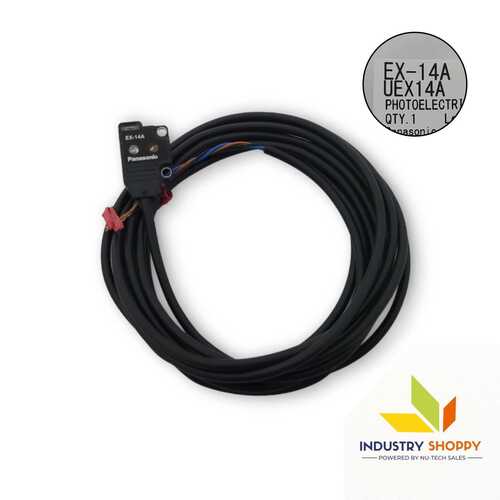
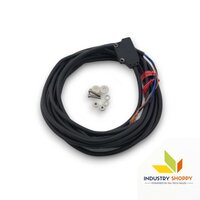
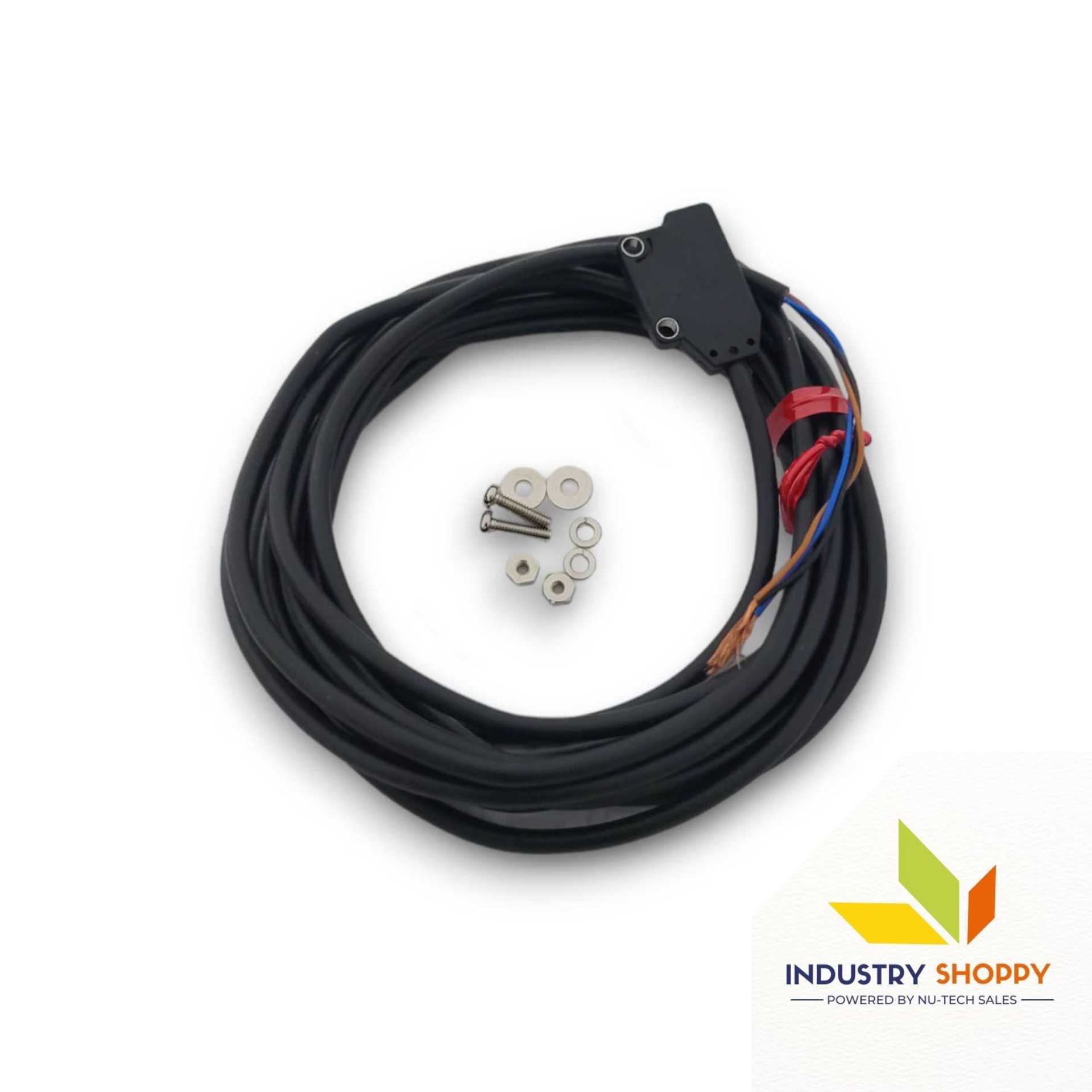
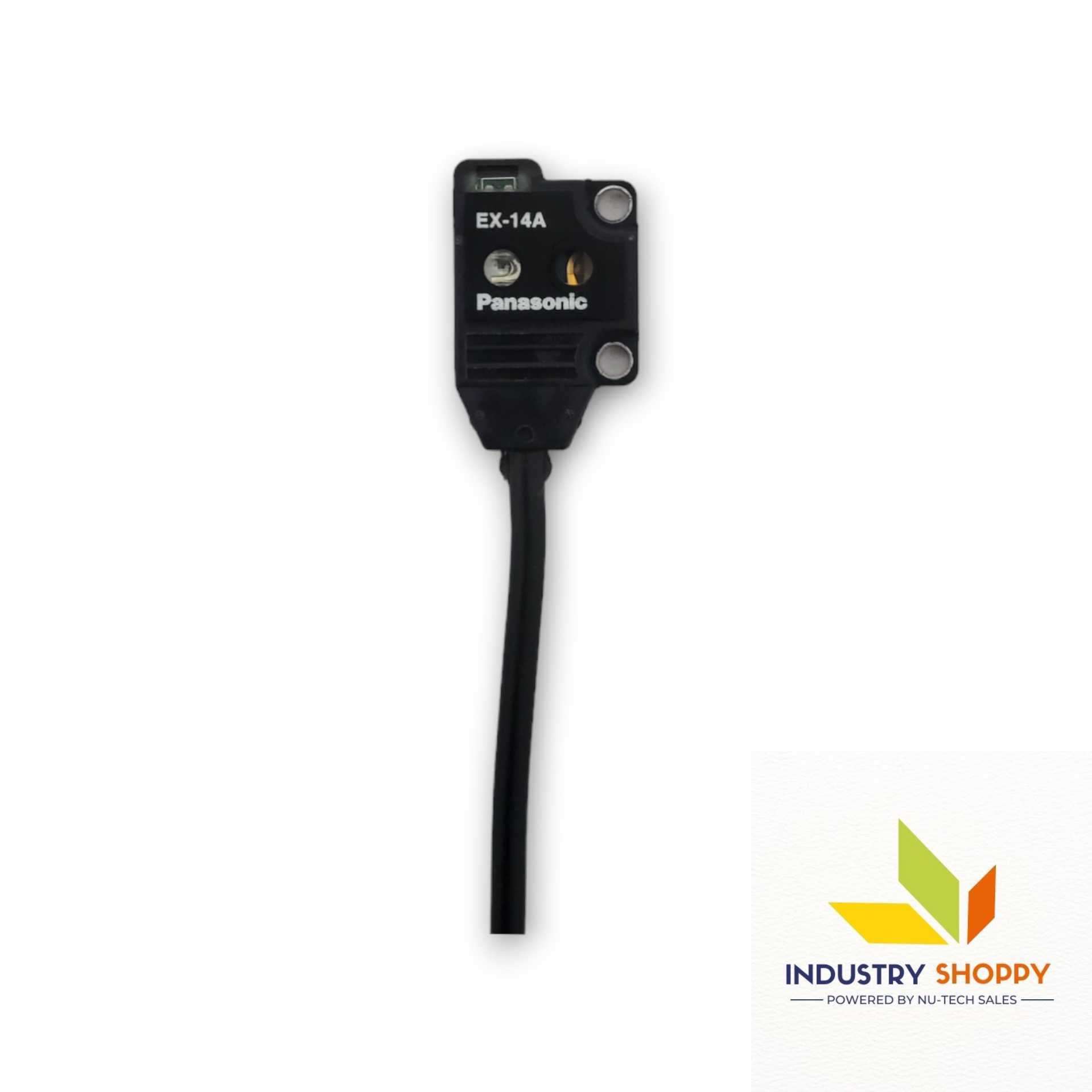
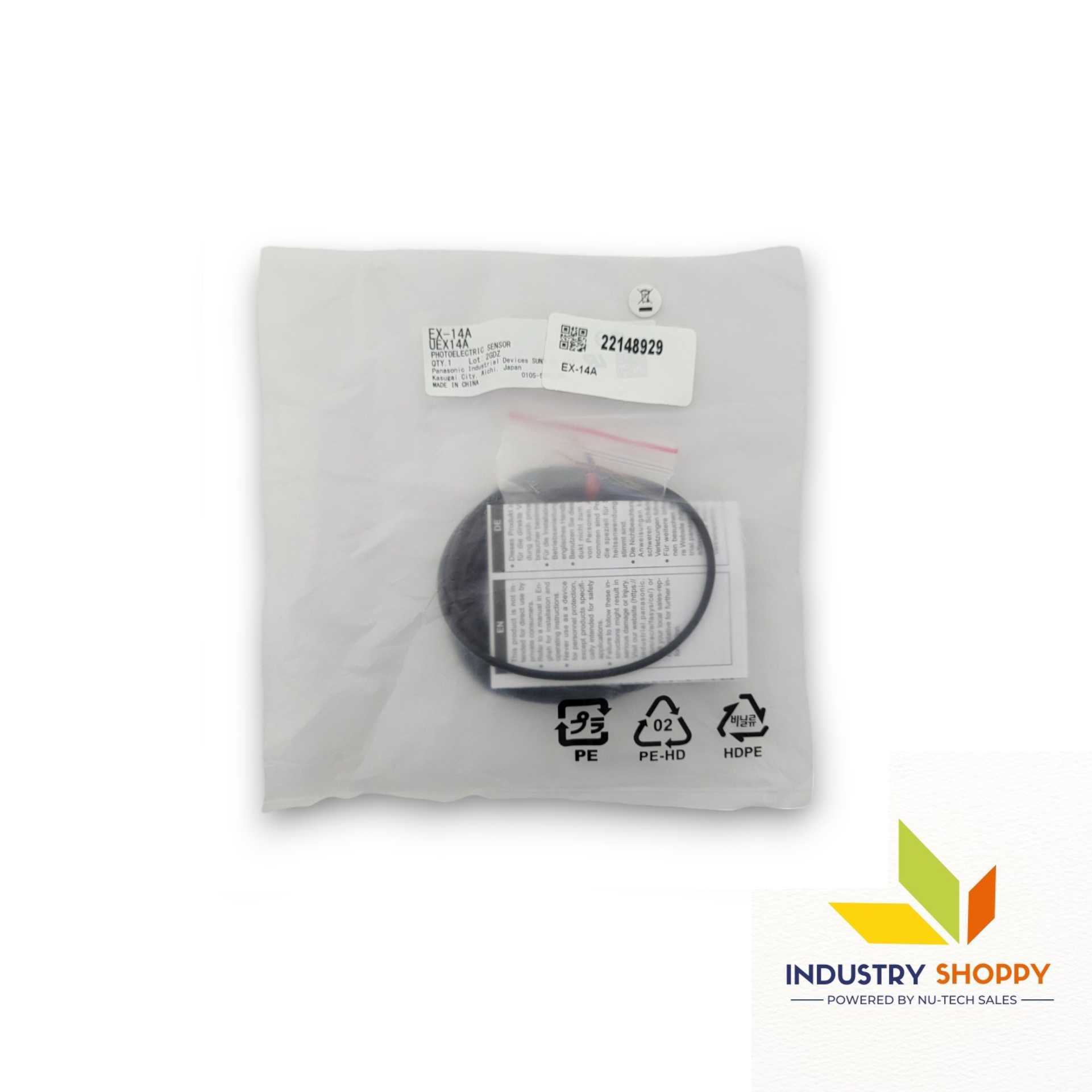
Panasonic EX-14A Photoelectric Sensor
Product Details:
- Product Type Photoelectric Sensor
- Input 10-30V DC
- Usage Industrial Applications
- Accuracy 100 %
- Warranty 12 Months
- Features Accuracy, Durability, Very less power consumption and Long service life.
- Click to View more
Panasonic EX-14A Photoelectric Sensor Price And Quantity
- 2360 INR/Piece
- 100 Piece
Panasonic EX-14A Photoelectric Sensor Product Specifications
- Accuracy, Durability, Very less power consumption and Long service life.
- 100 %
- Photoelectric Sensor
- 12 Months
- 10-30V DC
- Industrial Applications
Panasonic EX-14A Photoelectric Sensor Trade Information
- Paypal, Cash in Advance (CID), Cheque, Western Union
- 500 Piece Per Month
- 2 Days
Product Description
The Panasonic EX-14A Photoelectric Sensor, compliant with CE Marking Directive standards like EMC, RoHS, and ISO 13849-1, ensures reliable performance with its wide sensing range from 2 to 25 mm (0.079 to 0.984 in). Specifically designed to detect small objects like 0.1 mm (0.004 in) copper wire at a 10 mm (0.394 in) distance, it boasts hysteresis of 15% or less, guaranteeing accuracy.
Engineered for industrial environments, it withstands harsh conditions with pollution degree 3 and IP67 protection. Its durable construction, using materials like polyethylene terephthalate for the enclosure and polyalylate for the lens, ensures longevity. Certified by UL and Koreas S-mark, its crafted in China and adheres to strict quality standards, offering reliability in diverse applications.
With a net weight of approximately 20 g and a gross weight of 40 g, it includes mounting screws for easy installation. Certified by UL and Koreas S-mark, this sensor is made in China, adhering to stringent quality standards.
Our engineers meticulously inputted all the necessary details of this sensor following the datasheet guidelines. However, its crucial to acknowledge the potential for errors during this process. Despite our diligent efforts, its imperative to remain vigilant as inaccuracies may persist despite our sincere endeavors.
Exceptional Precision for Industrial Needs
The EX-14A Photoelectric Sensor from Panasonic boasts 100% accuracy, making it an excellent choice for high-demand industrial environments. Whether you require reliable object detection or automated workflow monitoring, its precision helps optimize operational efficiency and reduces the chance of errors.
Durability and Energy Savings Combined
One of the standout features of the EX-14A is its durability-built to last even in rigorous conditions. The sensor consumes very little power, offering significant energy savings while maintaining top performance throughout its long service life.
Global Availability and Local Support
Panasonic EX-14A sensors are accessible worldwide, including in China, through a network of trusted dealers, distributors, and service providers. With a 12-month warranty, customers benefit from responsive support and professional after-sales services.
FAQ's of Panasonic EX-14A Photoelectric Sensor:
Q: How do I install the Panasonic EX-14A Photoelectric Sensor in an industrial setting?
A: Installation is straightforward and involves mounting the sensor securely at the required detection point, connecting it to a 10-30V DC power source, and aligning it with the target. Detailed instructions are provided in the user manual for optimal operation and accuracy.Q: What are the main benefits of using the EX-14A sensor in industrial applications?
A: The major benefits include 100% accuracy, high durability, very low power consumption, and an extended service life. These features translate to reliable performance, reduced maintenance, and lower energy costs for industrial users.Q: Where can I purchase or source the Panasonic EX-14A sensor?
A: The sensor is available through several channels, including local dealers, distributors, exporters, importers, manufacturers, retailers, service providers, suppliers, and wholesalers in China and internationally.Q: When can I expect warranty support for the EX-14A Photoelectric Sensor?
A: A 12-month warranty is included from the date of purchase. This ensures coverage for any manufacturing defects or performance issues during the stated period, with support from authorized service providers.Q: What is the typical process for integrating the EX-14A sensor into an automation system?
A: Start by assessing the required sensing position, mount the sensor, integrate the electrical connections according to operating voltage specs, and calibrate it for precise detection in your automation workflow.Q: How does the low power consumption of the EX-14A benefit industrial users?
A: With its minimal power usage, the sensor helps industrial operations reduce energy costs and contribute to greener, more efficient manufacturing environments without compromising on performance.
Price:
- 50
- 100
- 200
- 250
- 500
- 1000+

Other Products in 'Photoelectric Sensor ' category

- Basement Floor, Plot No. 32, Pocket-03, Sector-A5, Narela,Delhi - 110040, India
- Phone : 07971190906
GST : 07APDPK0290A1ZH
- Mr Sanjeev Kumar (CEO)
- Mobile : 07971190906
- sales@industryshoppy.in
- Industrial LCD Module
- Industrial Cooling FAN
- Industrial Touch Panel
- Industrial Membrane Keypad
- Resistive Touch Screen
- IR Touch Overlay
- HMIs & PLC Modules
- SAW Surface Wave Touch Screen
- Touch Monitors
- Safety Light Curtains
- Rotary Encoder
- Ac Drive
- Gear Head
- Gear Motor
- Servo Drive & Servo Motor
- Speed Controller
- Protective Sticker
- Temparature Controller
- Color Mark Sensor
- Photoelectric Sensor
- Proximity Sensor
- Contrast Sensor
- Medical Equipment & Sensors
- Slot / Gap / Label Sensor
- Digital Pressure Sensor
- Laser Distance Sensor
- Fibre Optic Sensor
- Inductive Proximity Sensor
- Area Sensor
- Fork Sensor
- Diffuse Sensor
- Magnetic Sensor
- Ultasonic Sensor
- Safety Door Switch
- Door Switch

 Send Inquiry
 Send SMS
 Call Me Free
Developed and Managed by Infocom Network Private Limited.

