


 Send Inquiry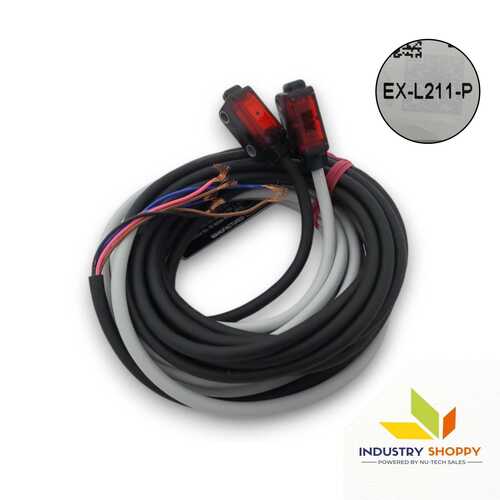
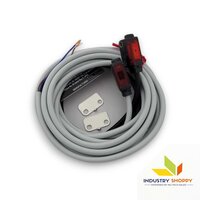
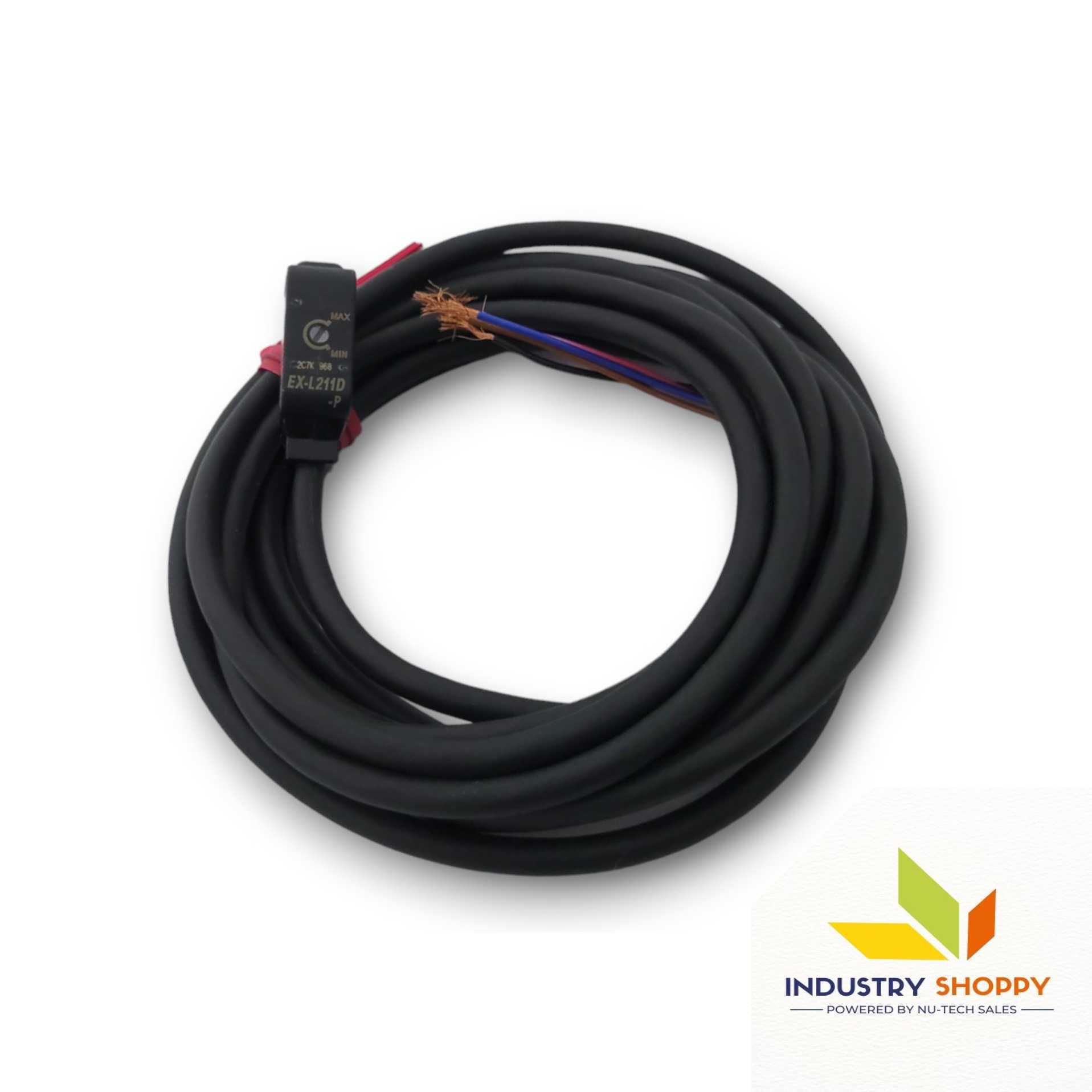
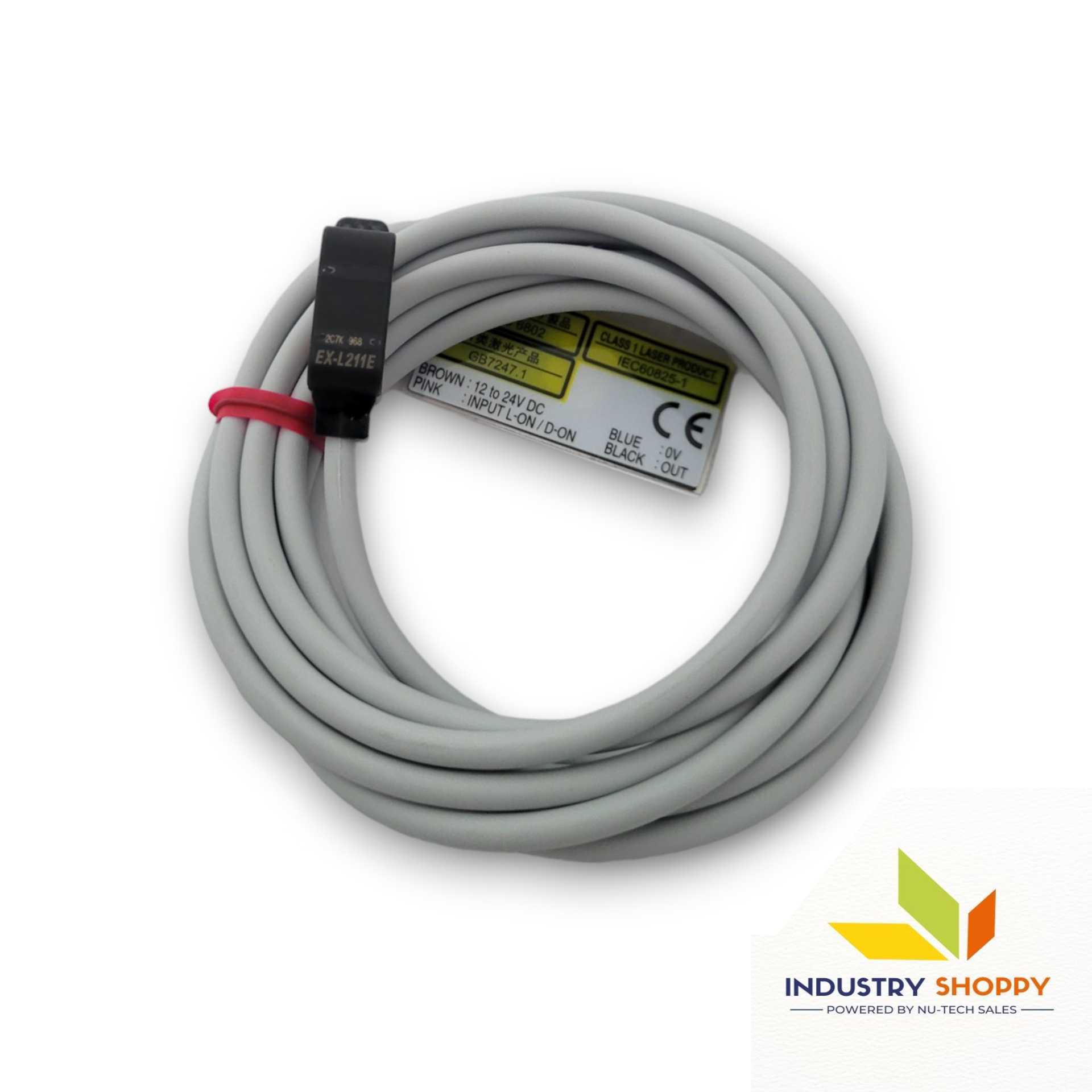
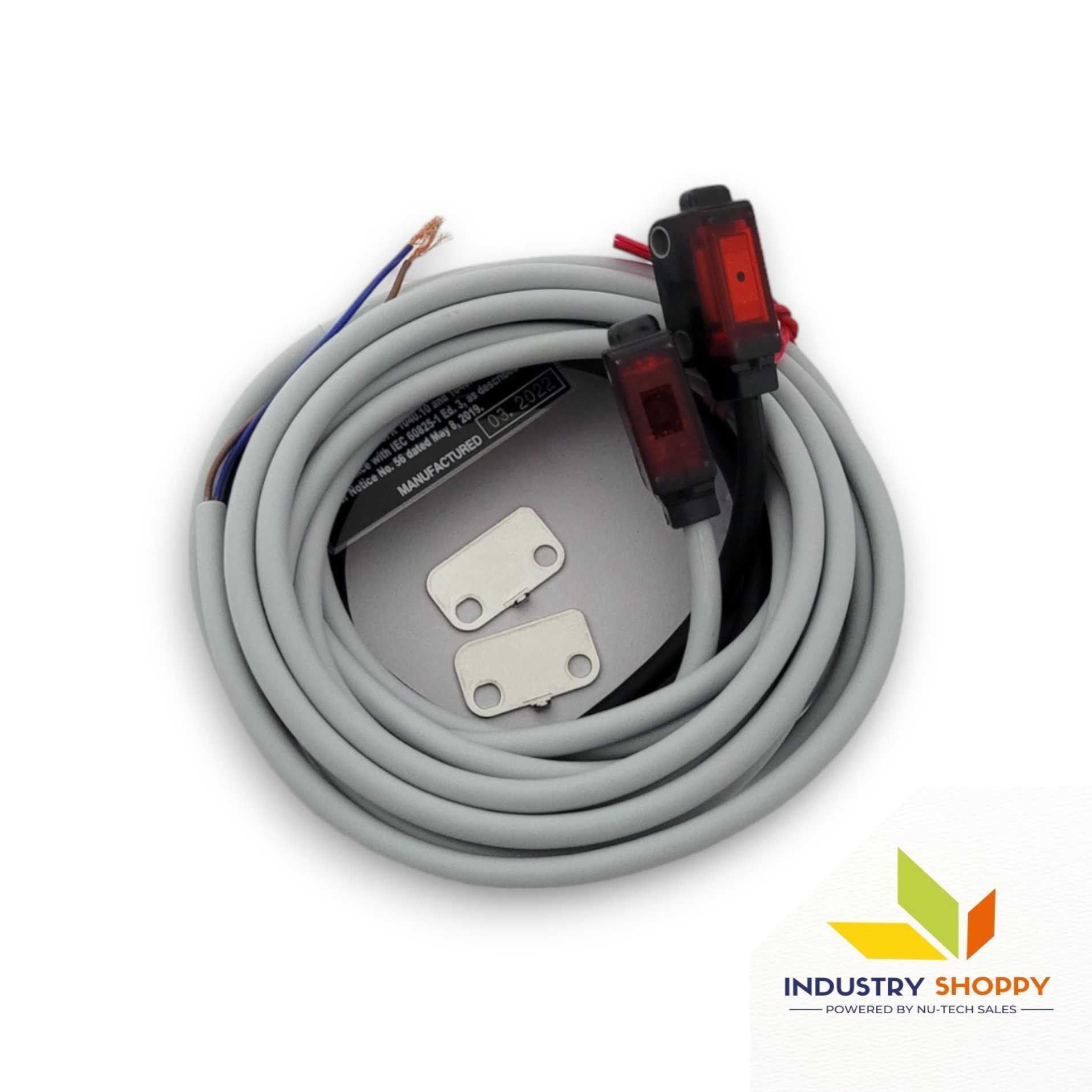
Panasonic EX-L211-P Laser Thru-Beam Sensor
Product Details:
- Product Type Laser Thru-Beam Sensor
- Input 10-30V DC
- Usage Industrial Applications
- Accuracy 100 %
- Warranty 12 Months
- Features Accuracy, Durability, Very less power consumption and Long service life.
- Click to View more
Panasonic EX-L211-P Laser Thru-Beam Sensor Price And Quantity
- 982.0 INR/Piece
- 100 Piece
Panasonic EX-L211-P Laser Thru-Beam Sensor Product Specifications
- 10-30V DC
- 12 Months
- Laser Thru-Beam Sensor
- Industrial Applications
- 100 %
- Accuracy, Durability, Very less power consumption and Long service life.
Panasonic EX-L211-P Laser Thru-Beam Sensor Trade Information
- Paypal, Cash in Advance (CID), Cheque, Western Union
- 500 Piece Per Month
- 2 Days
Product Description
The Panasonic EX-L211-P Laser Thru-Beam Sensor (LX211P, ULX211P) offers a versatile sensing range of 1 meter, suitable for various industrial applications. Compliant with CE Marking and RoHS directives, it ensures adherence to quality and environmental safety standards. Equipped with an PNP open-collector output and IP67 protection, it delivers reliable performance in demanding environments.
Equipped with a PNP open-collector transistor output, this sensor offers a maximum sink current of 50 mA. It also allows for selectable Light-ON/Dark-ON operation, providing flexibility in output functionality. It features built-in short-circuit protection and inverse polarity protection for added safety. This ensures protection against potential electrical hazards. Additionally, it boasts a quick response time of 0.5 ms or less. This enhances efficiency in object detection tasks by providing rapid feedback.
Designed for durability and reliability, the EX-L211-P boasts IP67 protection, ensuring resistance to dust and water ingress. It operates reliably within a wide temperature range of -10 to +55 and can withstand vibrations and shocks in industrial environments. Additionally, its red semiconductor laser emitter meets stringent safety standards, providing precise detection while complying with FDA regulations.
For ease of installation and operation, this sensor comes with a continuously variable sensitivity adjuster, along with LED indicators for output status and power. With a robust construction featuring polybutylene terephthalate enclosure and glass lens, the Panasonic EX-L211-P Laser Thru-Beam Sensor offers long-term performance and stability. Made in Japan, it reflects Panasonics commitment to quality and innovation, making it an ideal choice for industrial automation applications.
Our engineers acts wisely inputted all the required details of this sensor in accordance with the datasheet. Nevertheless, its imperative to recognize that errors may arise during this process. Despite our sincere efforts, its important to remain cautious. Inaccuracies can still occur nonetheless.
Superior Accuracy and Efficiency
The Panasonic EX-L211-P sensor delivers pinpoint accuracy, ensuring reliable detection in critical industrial operations. Its low power consumption makes it ideal for energy-conscious environments, while its design supports consistent performance, minimizing downtime and maintenance requirements.
Built for Tough Industrial Demands
Crafted for industrial applications, the EX-L211-P thrives in challenging settings, promising long-lasting service and reliable operation. With a robust construction and a warranty of 12 months, you can count on this sensor for enduring performance.
FAQ's of Panasonic EX-L211-P Laser Thru-Beam Sensor:
Q: How does the Panasonic EX-L211-P Laser Thru-Beam Sensor achieve 100% accuracy?
A: The EX-L211-P utilizes advanced laser technology and precise alignment, enabling it to deliver consistent and highly accurate detection in industrial environments, ensuring reliable operation for automated processes.Q: What are the main benefits of using this sensor in industrial applications?
A: Key benefits include exceptional accuracy, robust durability, extended service life, and minimal power consumption, which collectively enhance process reliability and operational efficiency in industrial settings.Q: When should I consider replacing or servicing the EX-L211-P sensor?
A: Although designed for long service life, it's recommended to inspect the sensor periodically within the 12-month warranty period or in case of performance deviation, harsh damage, or persistent troubleshooting issues.Q: Where can I purchase the Panasonic EX-L211-P sensor?
A: The sensor is available through a range of channels such as authorized dealers, distributors, exporters, wholesalers, retailers, and online suppliers, both in China and internationally.Q: What is the recommended input voltage for the EX-L211-P sensor?
A: This sensor operates reliably within a voltage range of 10-30V DC, making it suitable for integration into various industrial power systems.Q: How is the sensor installed and integrated into automation systems?
A: Installation typically involves mounting the thru-beam sensor in alignment across a detection area. It is then wired to the automation system within the specified voltage parameters for seamless operation.
Price:
- 50
- 100
- 200
- 250
- 500
- 1000+

Other Products in 'Photoelectric Sensor ' category

- Basement Floor, Plot No. 32, Pocket-03, Sector-A5, Narela,Delhi - 110040, India
- Phone : 07971190906
GST : 07APDPK0290A1ZH
- Mr Sanjeev Kumar (CEO)
- Mobile : 07971190906
- sales@industryshoppy.in
- Industrial LCD Module
- Industrial Cooling FAN
- Industrial Touch Panel
- Industrial Membrane Keypad
- Resistive Touch Screen
- IR Touch Overlay
- HMIs & PLC Modules
- SAW Surface Wave Touch Screen
- Touch Monitors
- Safety Light Curtains
- Rotary Encoder
- Ac Drive
- Gear Head
- Gear Motor
- Servo Drive & Servo Motor
- Speed Controller
- Protective Sticker
- Temparature Controller
- Color Mark Sensor
- Photoelectric Sensor
- Proximity Sensor
- Contrast Sensor
- Medical Equipment & Sensors
- Slot / Gap / Label Sensor
- Digital Pressure Sensor
- Laser Distance Sensor
- Fibre Optic Sensor
- Inductive Proximity Sensor
- Area Sensor
- Fork Sensor
- Diffuse Sensor
- Magnetic Sensor
- Ultasonic Sensor
- Safety Door Switch
- Door Switch

 Send Inquiry
 Send SMS
Developed and Managed by Infocom Network Private Limited.

