


 Send Inquiry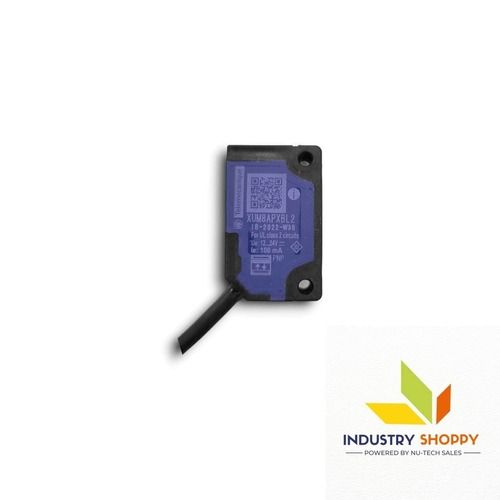
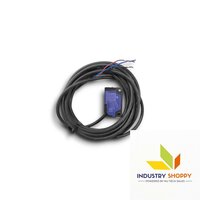
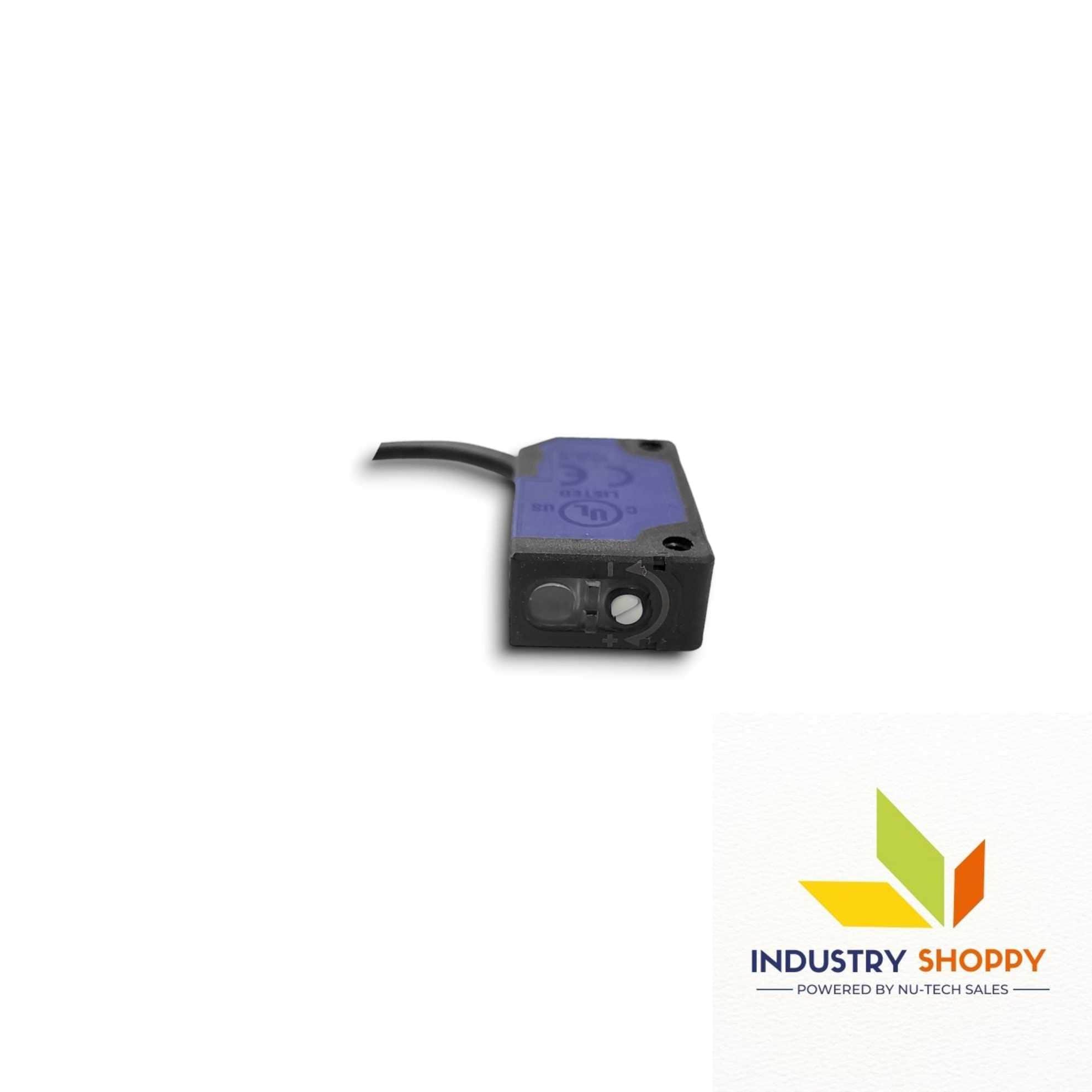
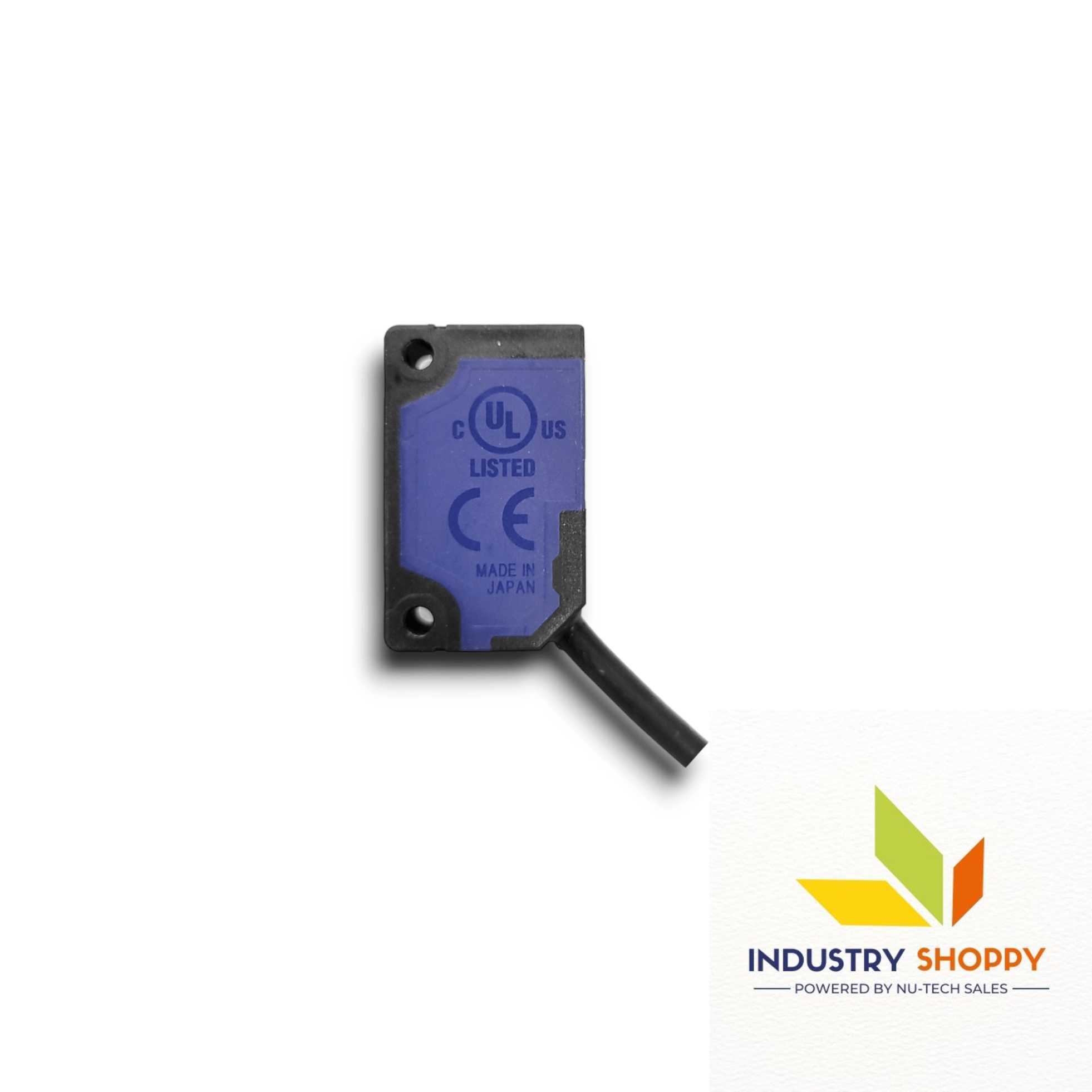
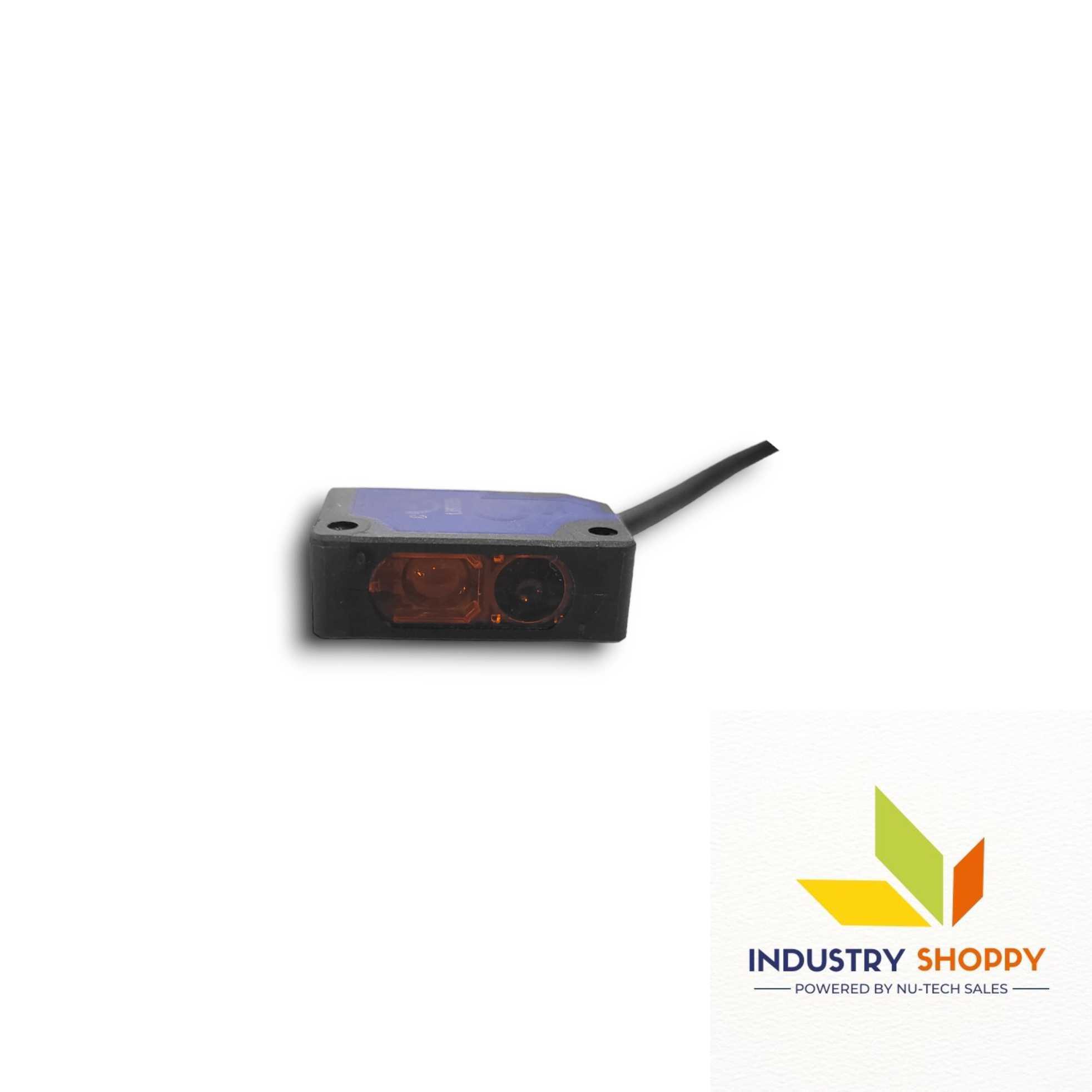
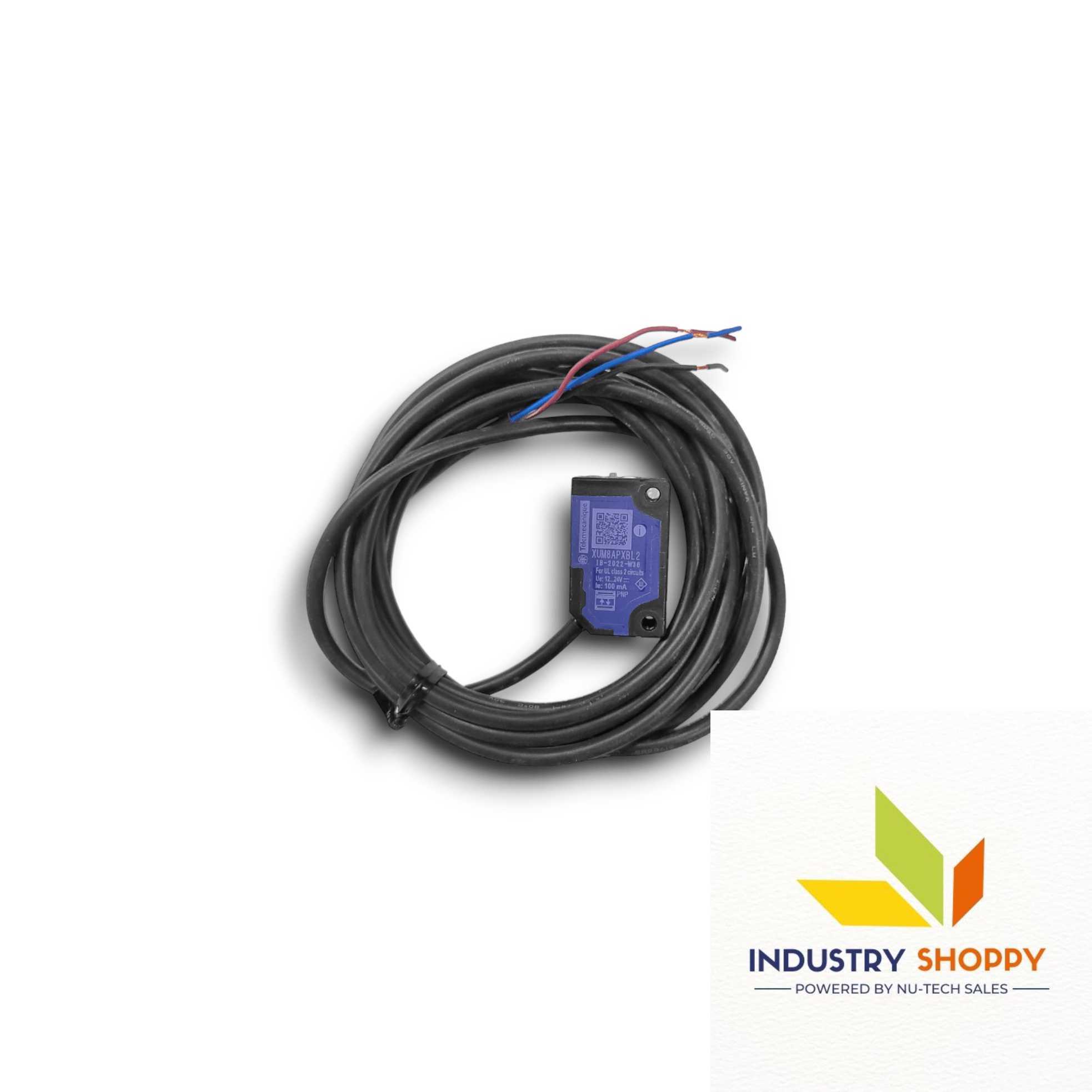
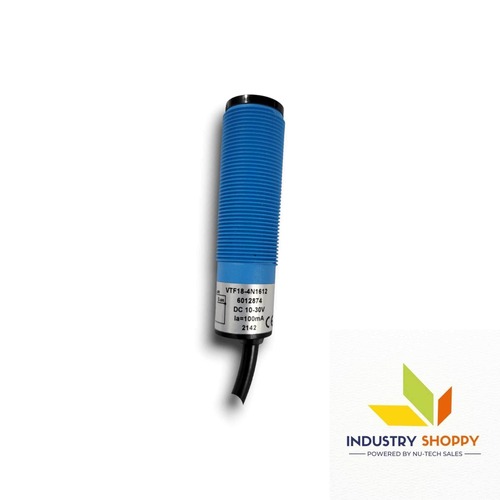
Telemecanique XUM8APXBL2 Photoelectric Sensor
Product Details:
- Product Type Photoelectric Sensor
- Input 10-30V DC
- Usage Industrial Applications
- Accuracy 100 %
- Resolution No Resolution
- Warranty 12 Months
- Features Accuracy, Durability, Very less power consumption and Long service life.
- Click to View more
Telemecanique XUM8APXBL2 Photoelectric Sensor Price And Quantity
- 100 Piece
- 2645 INR/Piece
Telemecanique XUM8APXBL2 Photoelectric Sensor Product Specifications
- 100 %
- Accuracy, Durability, Very less power consumption and Long service life.
- 10-30V DC
- Photoelectric Sensor
- No Resolution
- 12 Months
- Industrial Applications
Telemecanique XUM8APXBL2 Photoelectric Sensor Trade Information
- Paypal, Cash in Advance (CID), Cheque, Western Union
- 500 Piece Per Month
- 2 Days
Product Description
XUM8APCNL2 Photoelectric Sensor: Precision in Object Detection
Advanced Object Detection Technology:- The Telemecanique XUM8APCNL2 Photoelectric Sensor is an advanced solution designed to provide precise object detection in industrial automation. This sensor leverages cutting-edge technology to deliver accurate and reliable results.
High-Precision Object Detection:- One of the standout features of this sensor is its high-precision object detection capabilities. It excels in identifying a wide range of objects, making it suitable for various automation tasks. Whether its ensuring precise positioning of robotic equipment or accurately counting items on a production line, this sensor consistently delivers exceptional results.
Robust and Reliable:- Built to endure the demanding conditions of industrial environments, the XUM8APCNL2 sensor is known for its robustness and reliability. It operates seamlessly under adverse conditions, ensuring consistent and accurate detection results over time.
Versatility Across Applications:- This sensors versatility is another key strength. It is perfectly suited for a diverse range of automation tasks, thanks to its adaptability and precision. Its dependable performance shines in various industrial scenarios.
Effortless Integration:- With user-friendly setup and configuration options, integrating the Telemecanique XUM8APCNL2 Photoelectric Sensor into existing automation systems is a straightforward process. This minimizes downtime and enhances workflow efficiency.
Precision and Durability Combined
Manufactured for industrial use, the Telemecanique XUM8APXBL2 sets itself apart with its remarkable accuracy and long-lasting construction. Its design ensures consistent operation even in demanding environments, reducing maintenance requirements and maximizing uptime.
Optimized Energy Consumption
This photoelectric sensor is engineered to operate with very low power consumption, making it a cost-effective choice for businesses focused on energy efficiency. Its efficiency does not compromise on performance, delivering reliable detection while saving on electricity costs.
FAQ's of Telemecanique XUM8APXBL2 Photoelectric Sensor:
Q: How is the Telemecanique XUM8APXBL2 Photoelectric Sensor typically installed in industrial environments?
A: The XUM8APXBL2 Photoelectric Sensor is designed for straightforward mounting and can be installed on a variety of industrial machinery and conveyor systems. Its compact size and standard connection interfaces simplify integration into both new and existing production lines.Q: What are the main benefits of using the XUM8APXBL2 sensor in industrial applications?
A: Key benefits include exceptional accuracy (100%), robust durability, very low power consumption, and a long operational life. These attributes help reduce costs related to maintenance, downtime, and energy use, making the sensor a reliable component in automation and quality control systems.Q: Where can this photoelectric sensor be sourced or purchased?
A: The Telemecanique XUM8APXBL2 is available through a comprehensive network of dealers, distributors, exporters, importers, manufacturers, retailers, service providers, suppliers, and wholesalers in China and internationally.Q: What is the process for claiming warranty services on the sensor?
A: Users can claim warranty services, valid for 12 months from the date of purchase, by contacting the authorized dealer or supplier. Proof of purchase is typically required, and warranty coverage includes manufacturing defects or operational failures within the specified period.Q: When is the ideal time to replace or service the photoelectric sensor?
A: With its extended service life and durable design, the sensor requires minimal maintenance. However, it should be checked periodically in line with your facility's scheduled maintenance to ensure maximum performance and swiftly identify any rare faults.Q: How does the sensor's lack of resolution specification affect its performance?
A: Although the sensor is noted as having no specified resolution, it is engineered for reliable object detection rather than detailed measurement. Its primary advantage lies in its ability to accurately sense objects and changes, supporting a wide array of automation and safety tasks.
Price:
- 50
- 100
- 200
- 250
- 500
- 1000+

Other Products in 'Photoelectric Sensor ' category

- Basement Floor, Plot No. 32, Pocket-03, Sector-A5, Narela,Delhi - 110040, India
- Phone : 07971190906
GST : 07APDPK0290A1ZH
- Mr Sanjeev Kumar (CEO)
- Mobile : 07971190906
- sales@industryshoppy.in
- Industrial LCD Module
- Industrial Cooling FAN
- Industrial Touch Panel
- Industrial Membrane Keypad
- Resistive Touch Screen
- IR Touch Overlay
- HMIs & PLC Modules
- SAW Surface Wave Touch Screen
- Touch Monitors
- Safety Light Curtains
- Rotary Encoder
- Ac Drive
- Gear Head
- Gear Motor
- Servo Drive & Servo Motor
- Speed Controller
- Protective Sticker
- Temparature Controller
- Color Mark Sensor
- Photoelectric Sensor
- Proximity Sensor
- Contrast Sensor
- Medical Equipment & Sensors
- Slot / Gap / Label Sensor
- Digital Pressure Sensor
- Laser Distance Sensor
- Fibre Optic Sensor
- Inductive Proximity Sensor
- Area Sensor
- Fork Sensor
- Diffuse Sensor
- Magnetic Sensor
- Ultasonic Sensor
- Safety Door Switch
- Door Switch

 Send Inquiry
 Send SMS
Developed and Managed by Infocom Network Private Limited.

