


 Send Inquiry
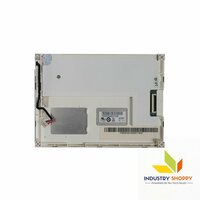
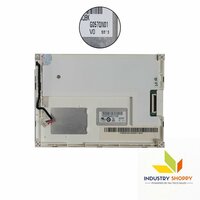
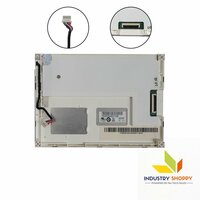
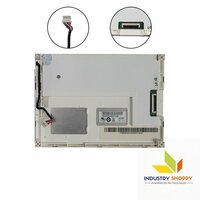
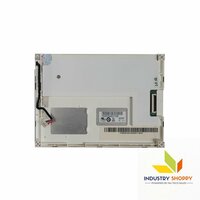
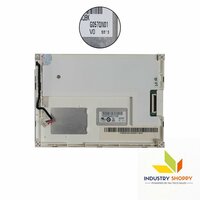
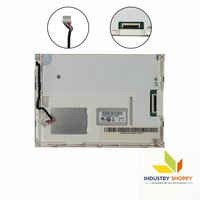
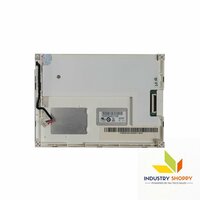
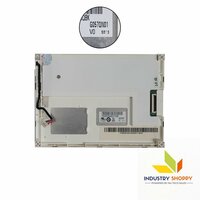
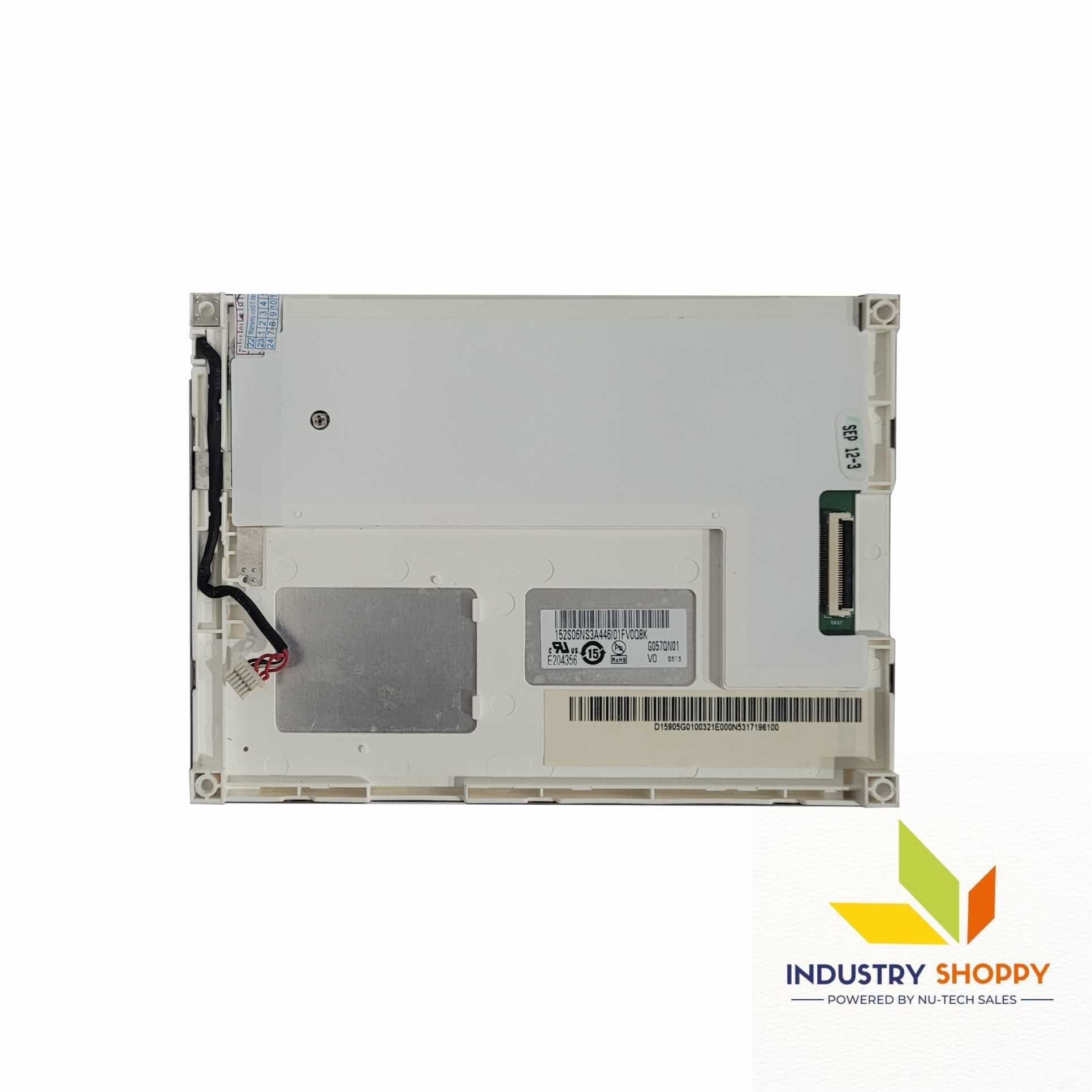
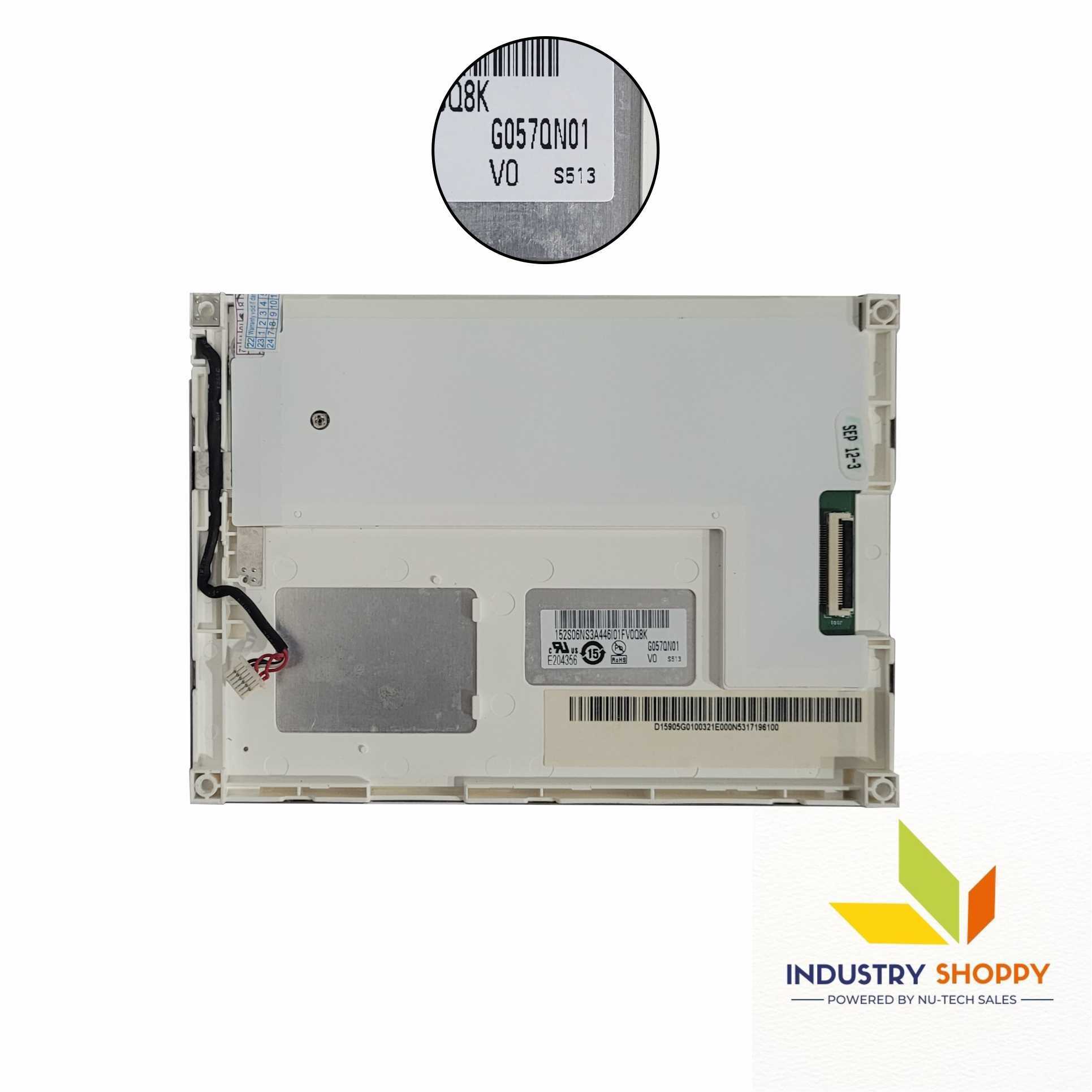
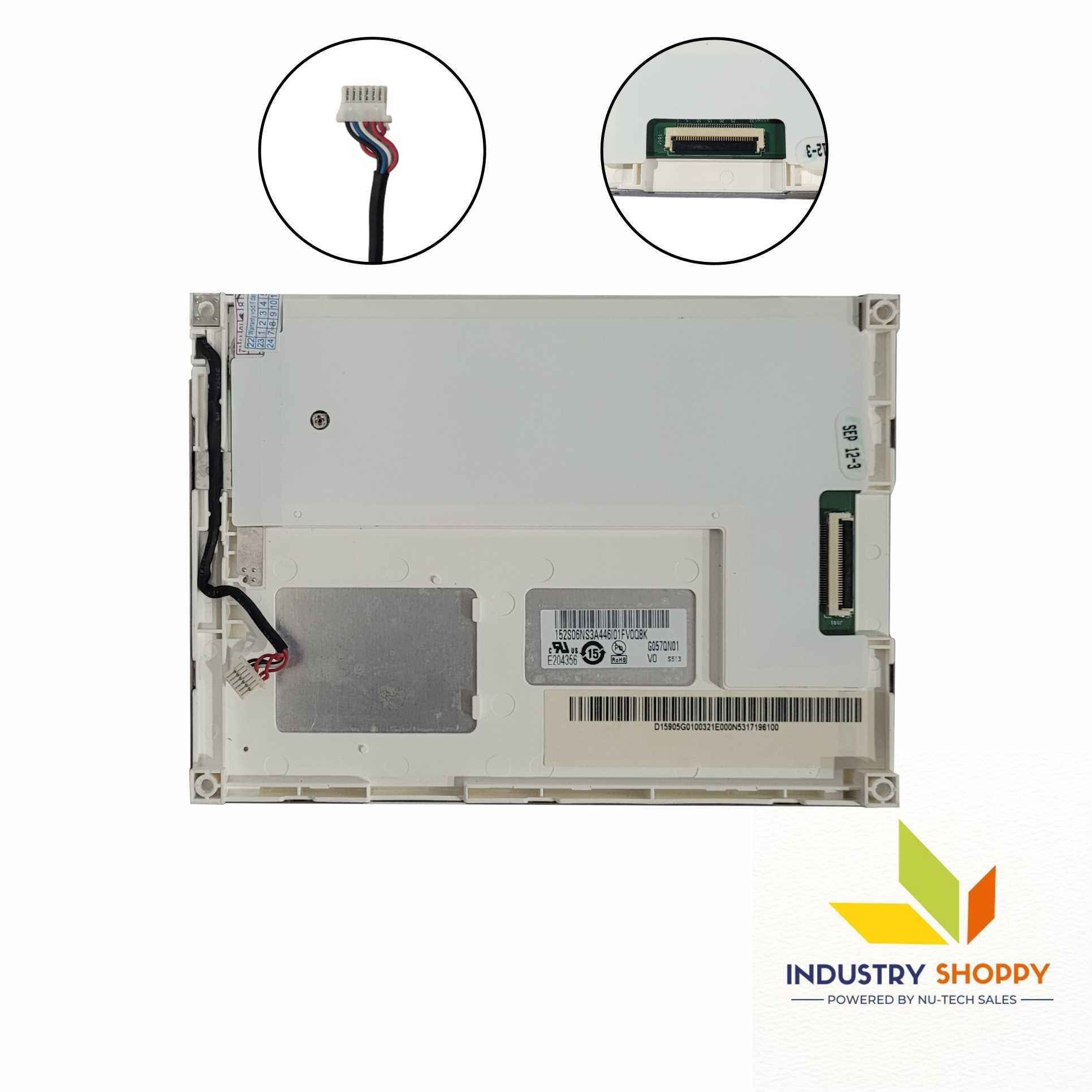
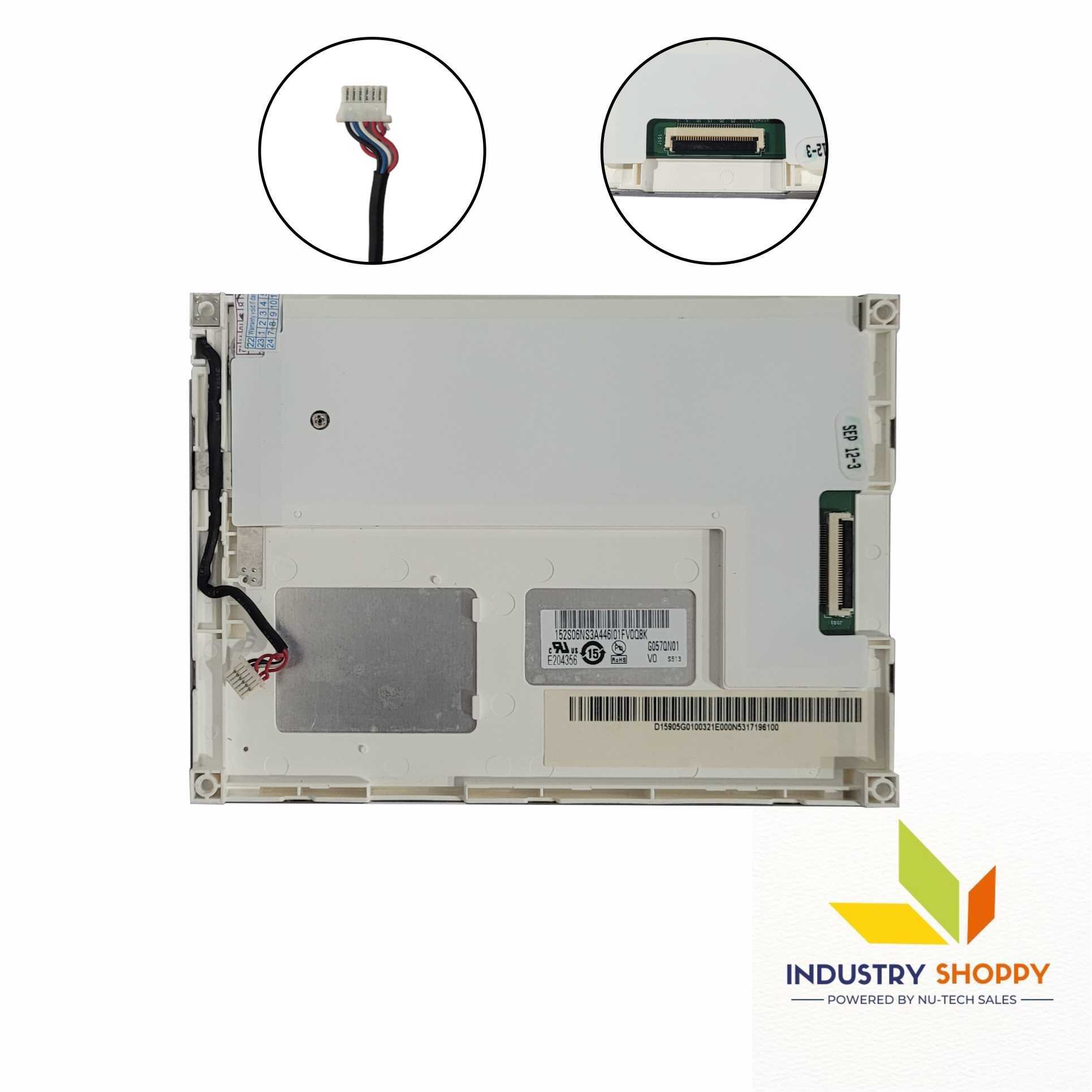
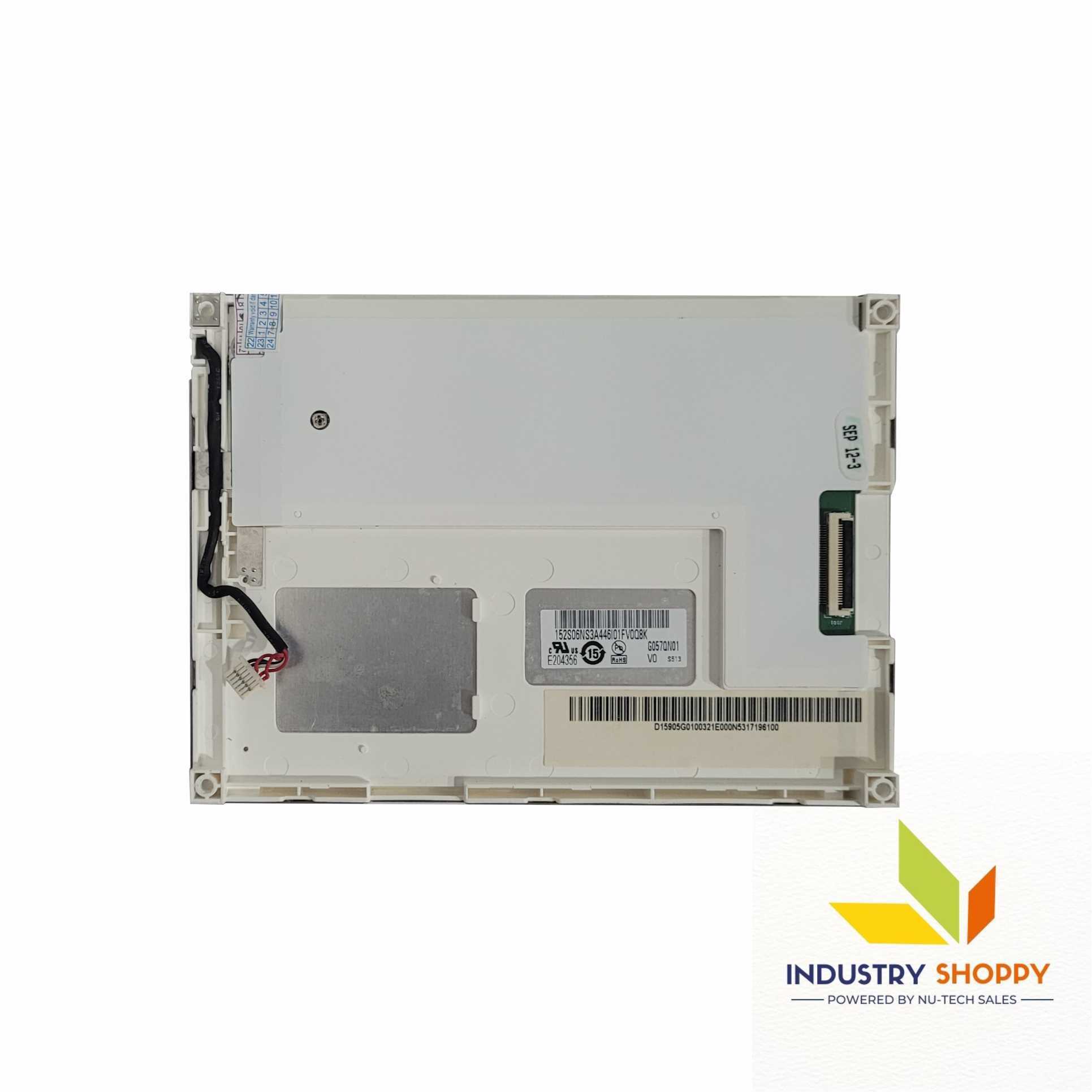
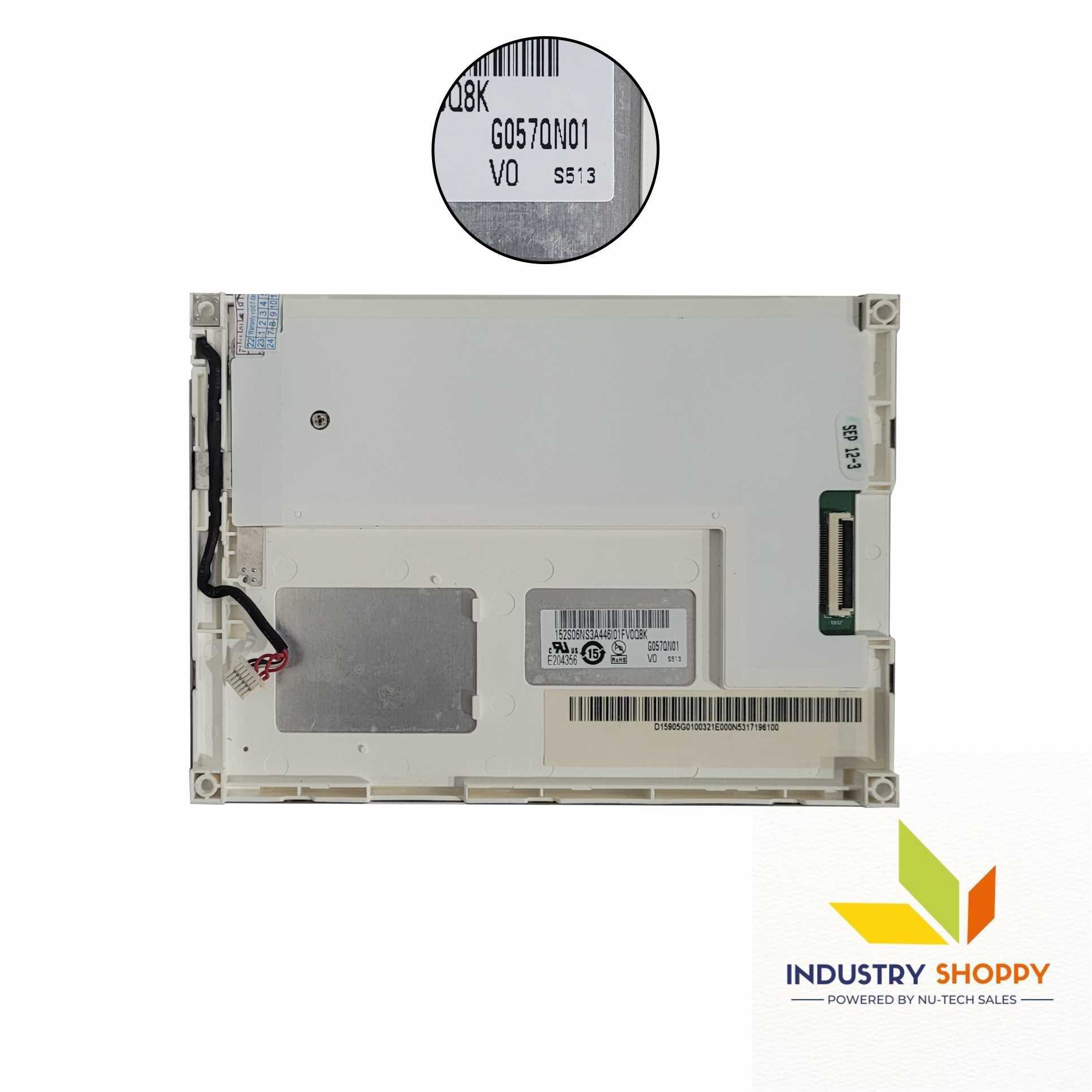
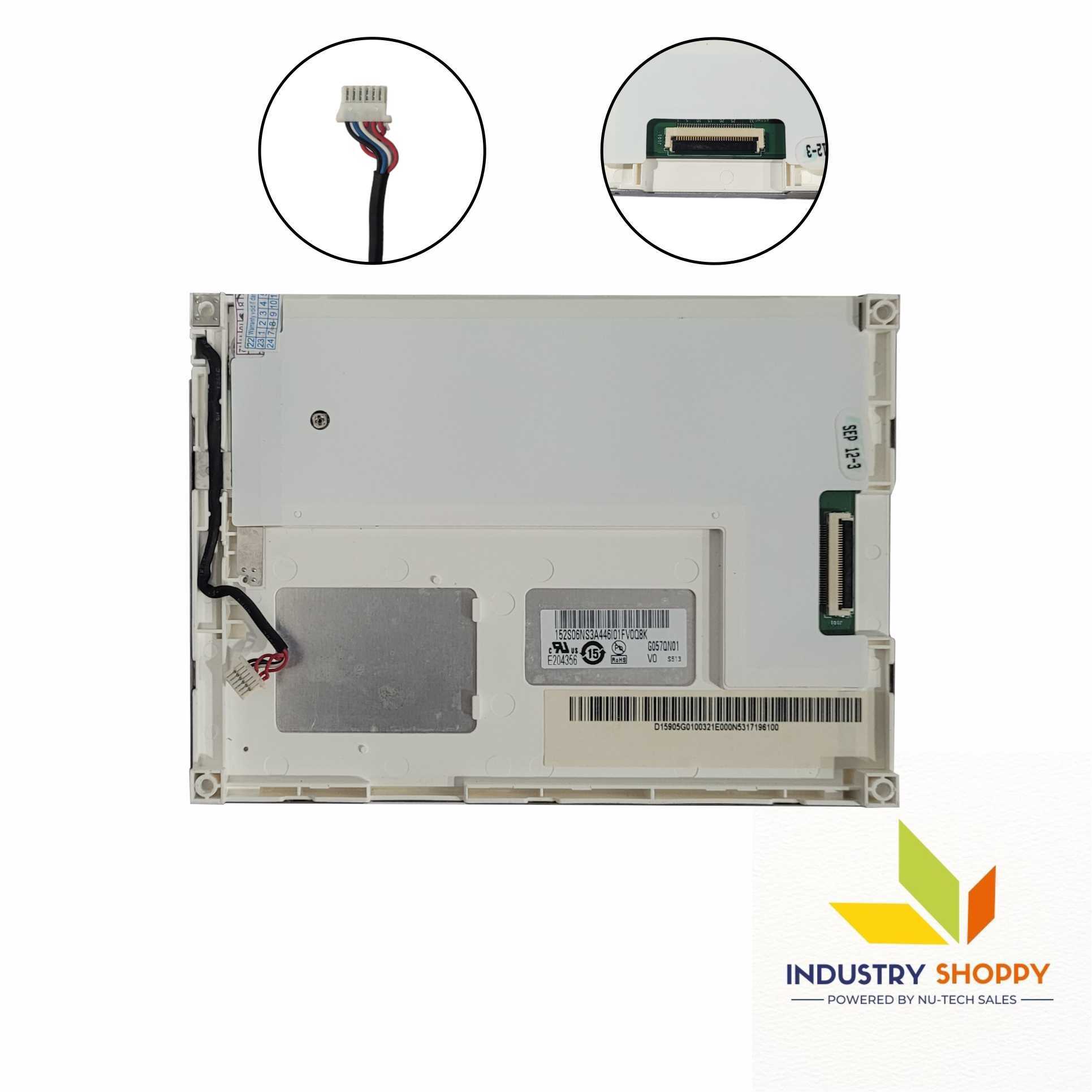
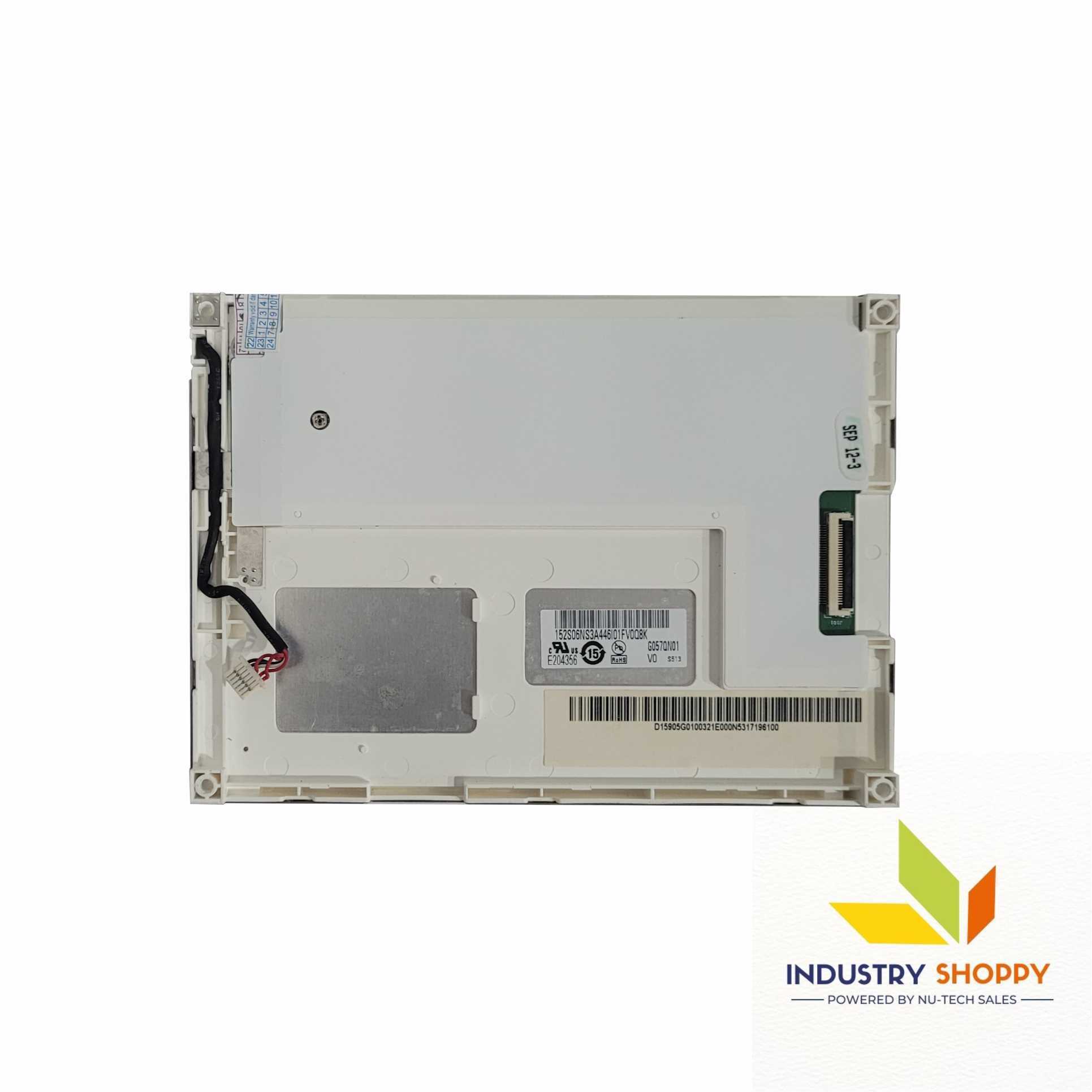
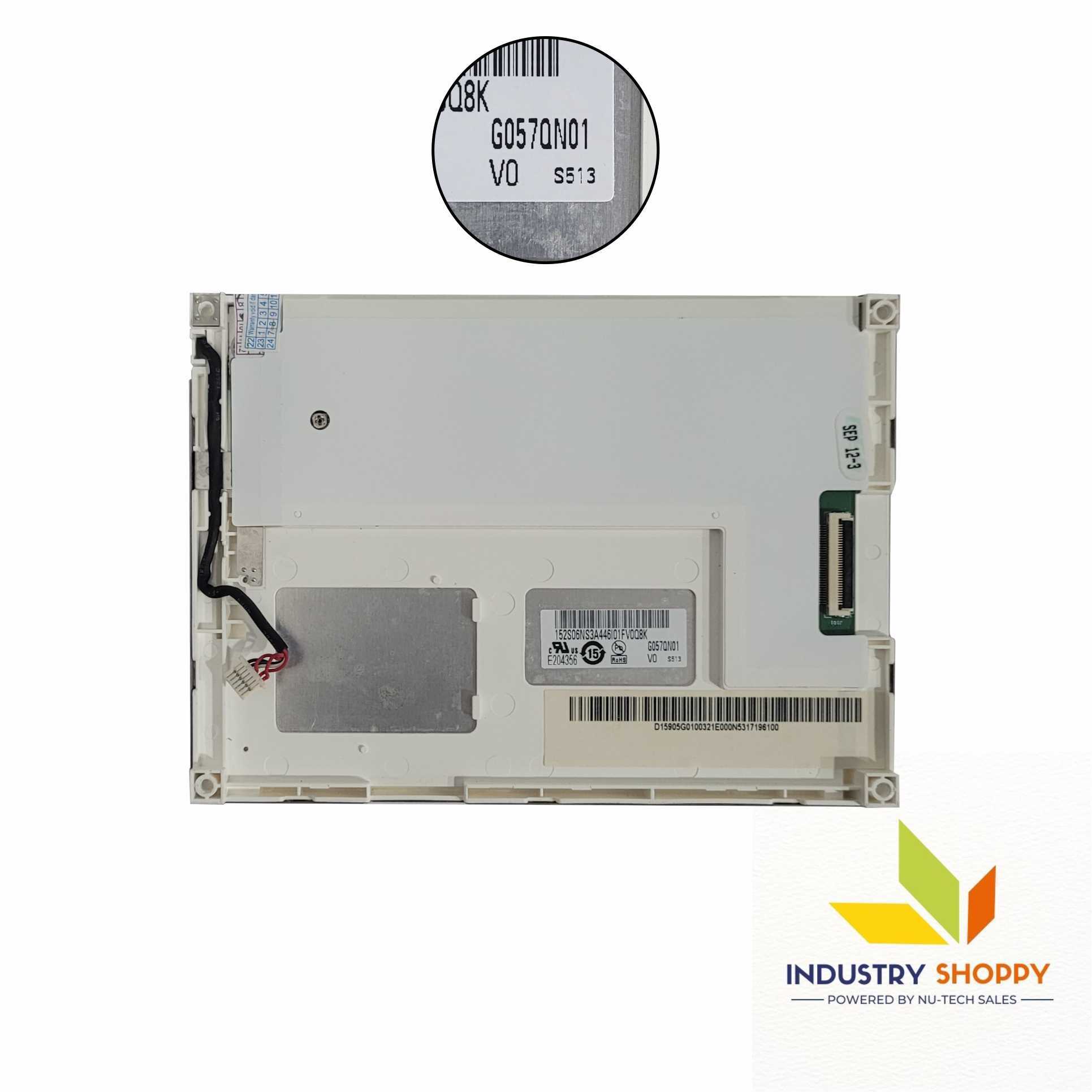
AUO G057QN01-V.0 LCD Module
Product Details:
- Installation Guideline Professional installation is recommended to prevent damage.
- Material ABS, Aluminium,etc
- Usage mainly used in industrial and medical applications.
- Size 5.7 inch
- Application Industrial
- Product Type LCD Module
- Click to View more
AUO G057QN01-V.0 LCD Module Price And Quantity
- 100 Piece
- 10250 INR/Piece
AUO G057QN01-V.0 LCD Module Product Specifications
- 5.7 inch
- Industrial
- LCD Module
- mainly used in industrial and medical applications.
- ABS, Aluminium,etc
- Professional installation is recommended to prevent damage.
AUO G057QN01-V.0 LCD Module Trade Information
- Telegraphic Transfer (T/T), Cash in Advance (CID), Western Union, Paypal, Cash Advance (CA), Cheque
- 500 Piece Per Month
- 2 Days
Product Description
New AUO G057QN01-V.0 (G057QN01V0 ) is one of the most popular LCD Module which is mainly used in industrial and medical applications. It is a 5.7 inch diagonal a-Si TFT-LCD display panel product from AU Optronics Corp. (hereafter called AUO), with an integral WLED backlight system, without backlight driver, without touch screen. Its resolution 320(RGB)240, QVGA 70PPI and contrast ratio 800 : 1 (Typ.) (TM). It features an operating temperature range of -30 85C , a storage temperature range of -30 85C , and the maximal vibration level of 1.5G (14.7 m/s). Our engineers has entered all the specification details about this LCD screen according to the datasheet. Although errors may occur during this process.
No Technical skills required! No soldering required! It is easy to install!
All trademarks and trade names used on our site are the property of their respective owners.
Technical Precautions :-
-
-
- It is a front polarizer. It may damaged. Please be cautious. Dont scratch it.
- Always turn off the power supply when you are inserting or disconnecting it from the input connector.
- Wipe off water drop immediately as it may cause discoloration or spots.
- Please handle with great care. It may broken or cracked if dropped or bumped on hard surface.
- Do not try to open or modify the module assembly.
- At the insertion or removal of the Signal Interface Connector do not rotate or tilt the Interface Connector of the TFT Module. It may damage the panel.
- Severe temperature condition may result in different luminance, response time.
-
Versatile Applications in Critical Fields
The AUO G057QN01-V.0 LCD Module is primarily engineered for use in industrial machinery and medical equipment, given its resilience and clear display quality. Its robust construction using ABS and Aluminium materials ensures dependable operation in environments demanding reliability and precision, making it a preferred choice for businesses requiring consistent visual output.
Expert Installation Recommended
To ensure complete functionality and avoid potential damage, it is highly advisable that the AUO G057QN01-V.0 is installed by a skilled technician. Professional installation guarantees that the module is properly integrated, lengthening its operational life and safeguarding against accidental mishandling during setup.
FAQ's of AUO G057QN01-V.0 LCD Module:
Q: What materials are used in the construction of the AUO G057QN01-V.0 LCD Module?
A: This LCD module is constructed using high-quality ABS and Aluminium, which provide a sturdy, lightweight, and durable frame suitable for intensive industrial and medical use.Q: How should the AUO G057QN01-V.0 LCD Module be installed for optimal performance?
A: Professional installation is recommended for this LCD module to prevent accidental damage and ensure reliable operation. Expert technicians can correctly handle the module, connect it securely, and verify its functionality.Q: Where is the AUO G057QN01-V.0 commonly used?
A: The module is predominantly used in industrial and medical scenarios, including factory automation systems, control panels, and diagnostic equipment, where a robust and reliable display interface is essential.Q: What are the main benefits of using the AUO G057QN01-V.0 LCD Module?
A: Key benefits include high durability, dependable performance, and exceptional image clarity. These qualities are particularly valuable in critical environments, supporting ongoing, reliable operation.Q: Who can supply the AUO G057QN01-V.0 LCD Module?
A: Manufacturers, wholesalers, distributors, retailers, exporters, and importers, especially those based in China, often supply this module to meet various industrial and commercial demands.Q: Which applications does this LCD module support?
A: The AUO G057QN01-V.0 is designed primarily for industrial and medical applications, effective in settings that require consistent and high-quality display solutions.Q: What is the recommended process for acquiring and maintaining the AUO G057QN01-V.0 LCD Module?
A: Purchase the module from reputable suppliers or manufacturers. After professional installation, maintain the unit by following the manufacturer's guidelines, including regular inspections and operating within the recommended conditions.
Price:
- 50
- 100
- 200
- 250
- 500
- 1000+

Other Products in 'Industrial LCD Module' category

- Basement Floor, Plot No. 32, Pocket-03, Sector-A5, Narela,Delhi - 110040, India
- Phone : 07971190906
GST : 07APDPK0290A1ZH
- Mr Sanjeev Kumar (CEO)
- Mobile : 07971190906
- sales@industryshoppy.in
- Industrial LCD Module
- Industrial Cooling FAN
- Industrial Touch Panel
- Industrial Membrane Keypad
- Resistive Touch Screen
- IR Touch Overlay
- HMIs & PLC Modules
- SAW Surface Wave Touch Screen
- Touch Monitors
- Safety Light Curtains
- Rotary Encoder
- Ac Drive
- Gear Head
- Gear Motor
- Servo Drive & Servo Motor
- Speed Controller
- Protective Sticker
- Temparature Controller
- Color Mark Sensor
- Photoelectric Sensor
- Proximity Sensor
- Contrast Sensor
- Medical Equipment & Sensors
- Slot / Gap / Label Sensor
- Digital Pressure Sensor
- Laser Distance Sensor
- Fibre Optic Sensor
- Inductive Proximity Sensor
- Area Sensor
- Fork Sensor
- Diffuse Sensor
- Magnetic Sensor
- Ultasonic Sensor
- Safety Door Switch
- Door Switch

 Send Inquiry
 Send SMS
Developed and Managed by Infocom Network Private Limited.

