


 Send Inquiry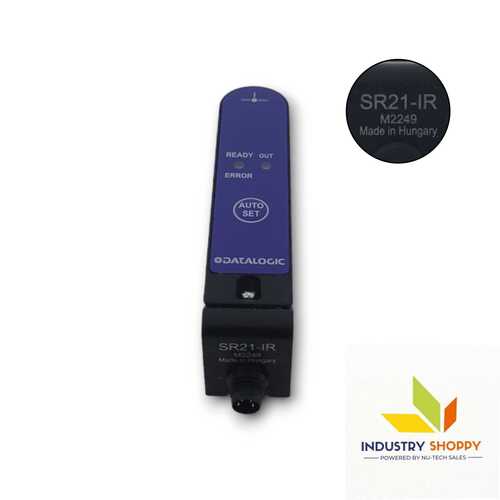
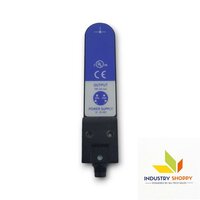
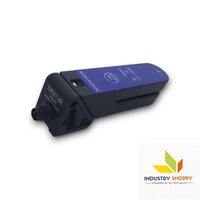
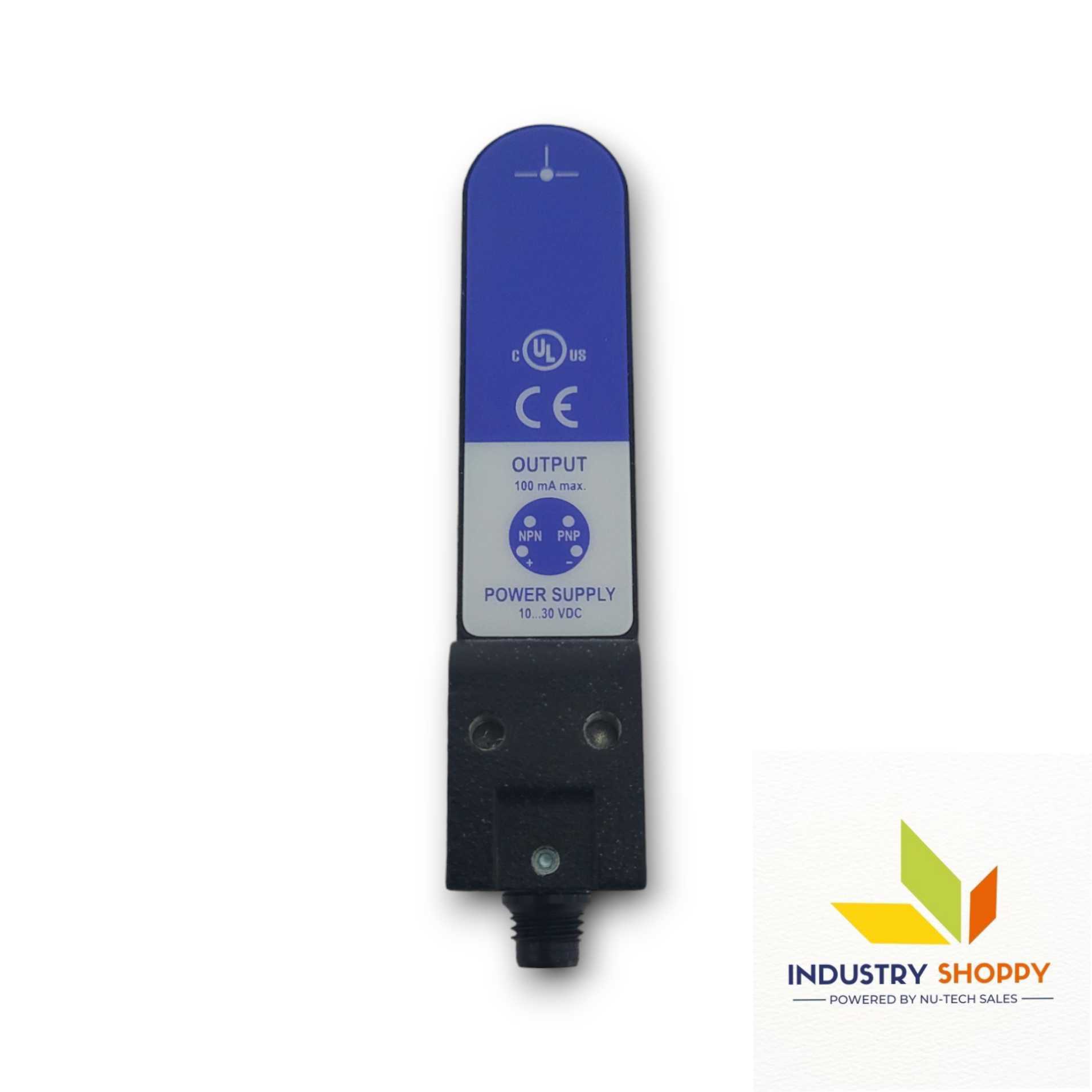
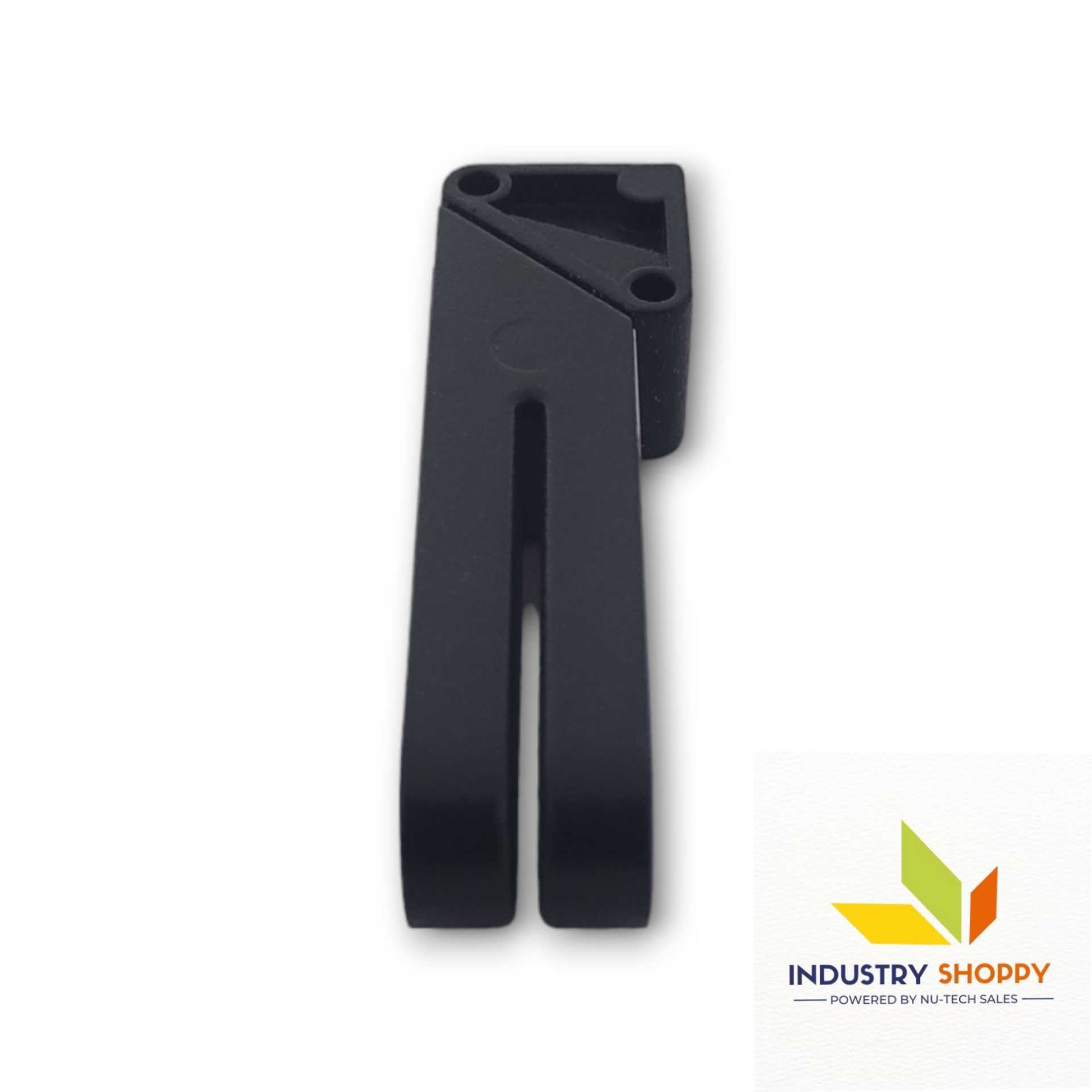
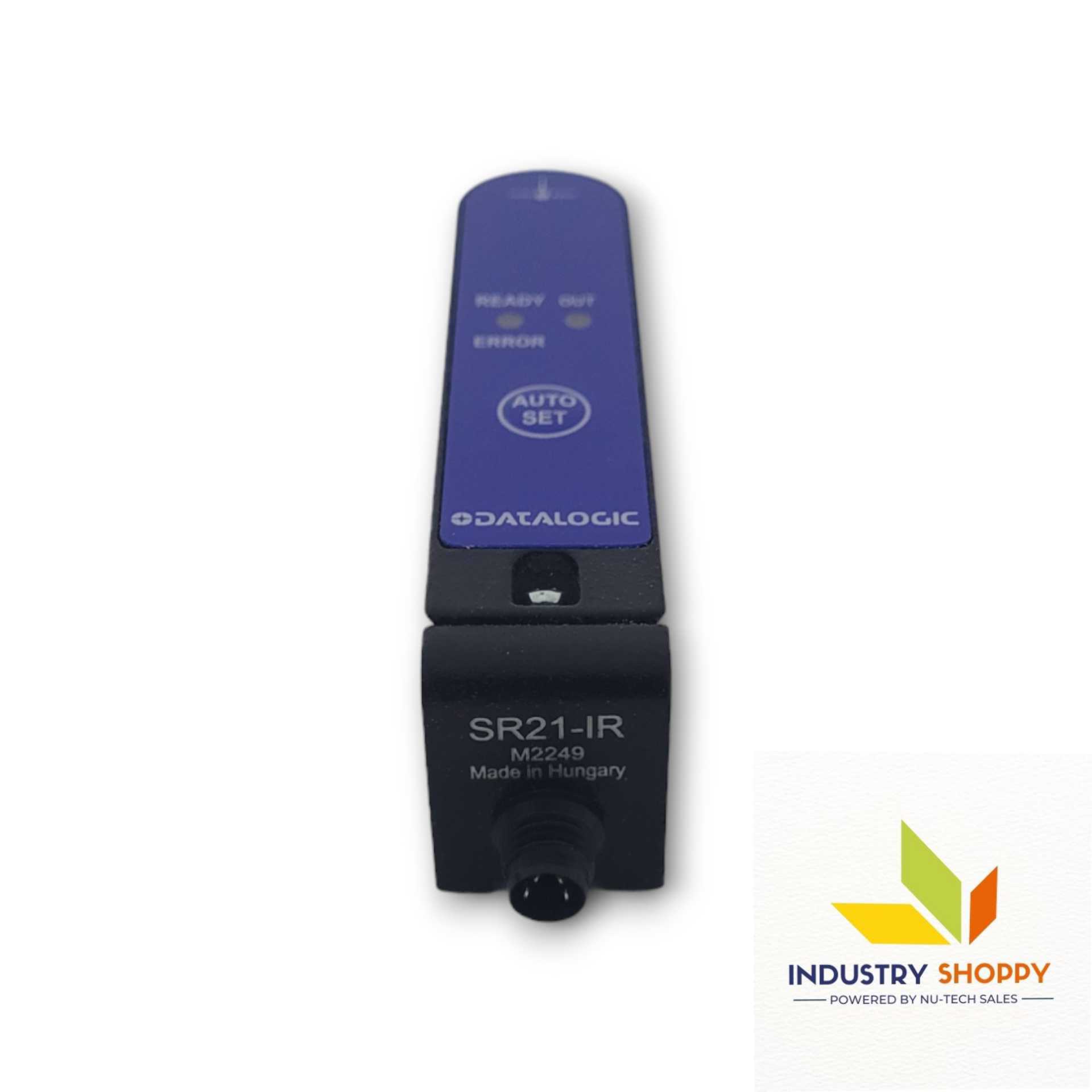
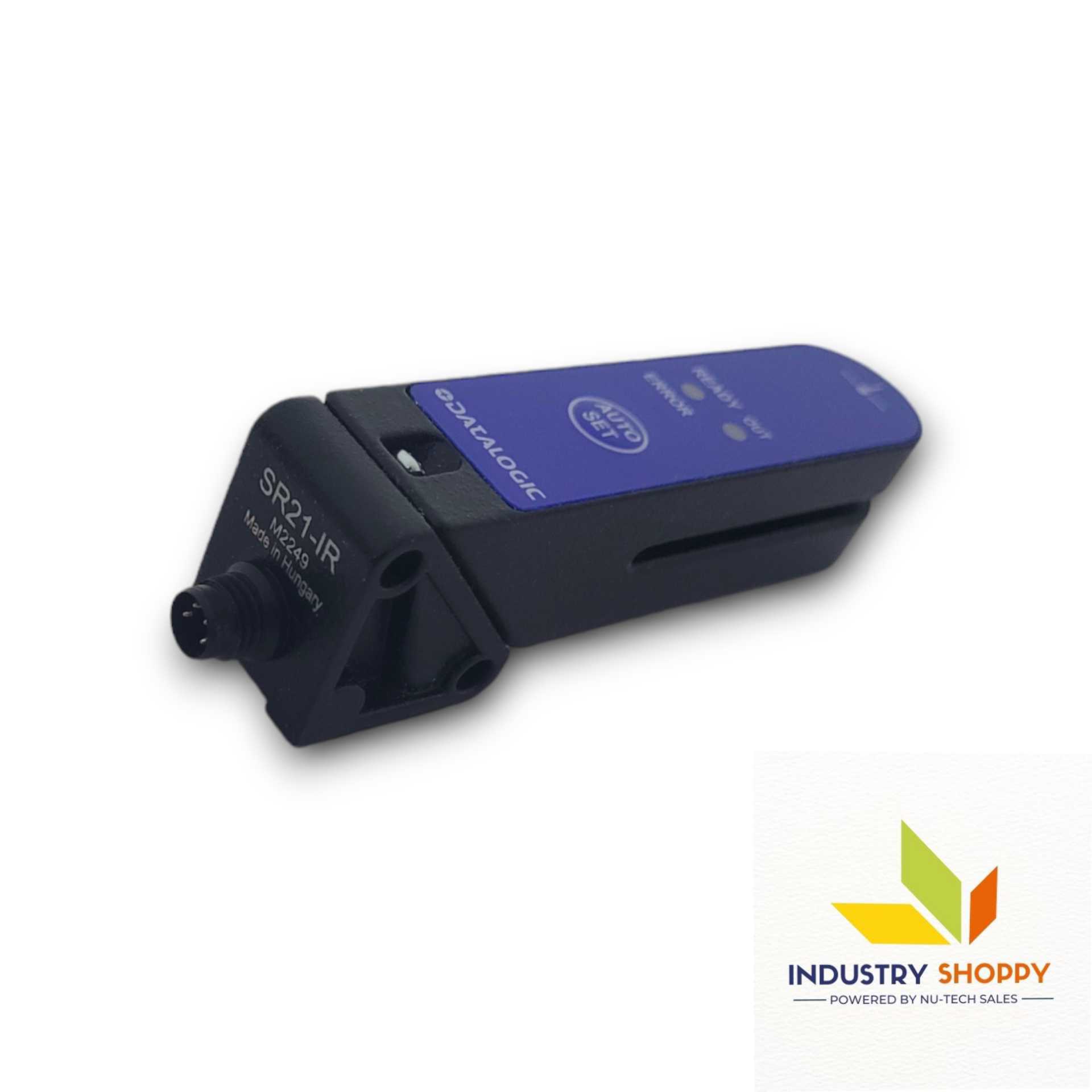
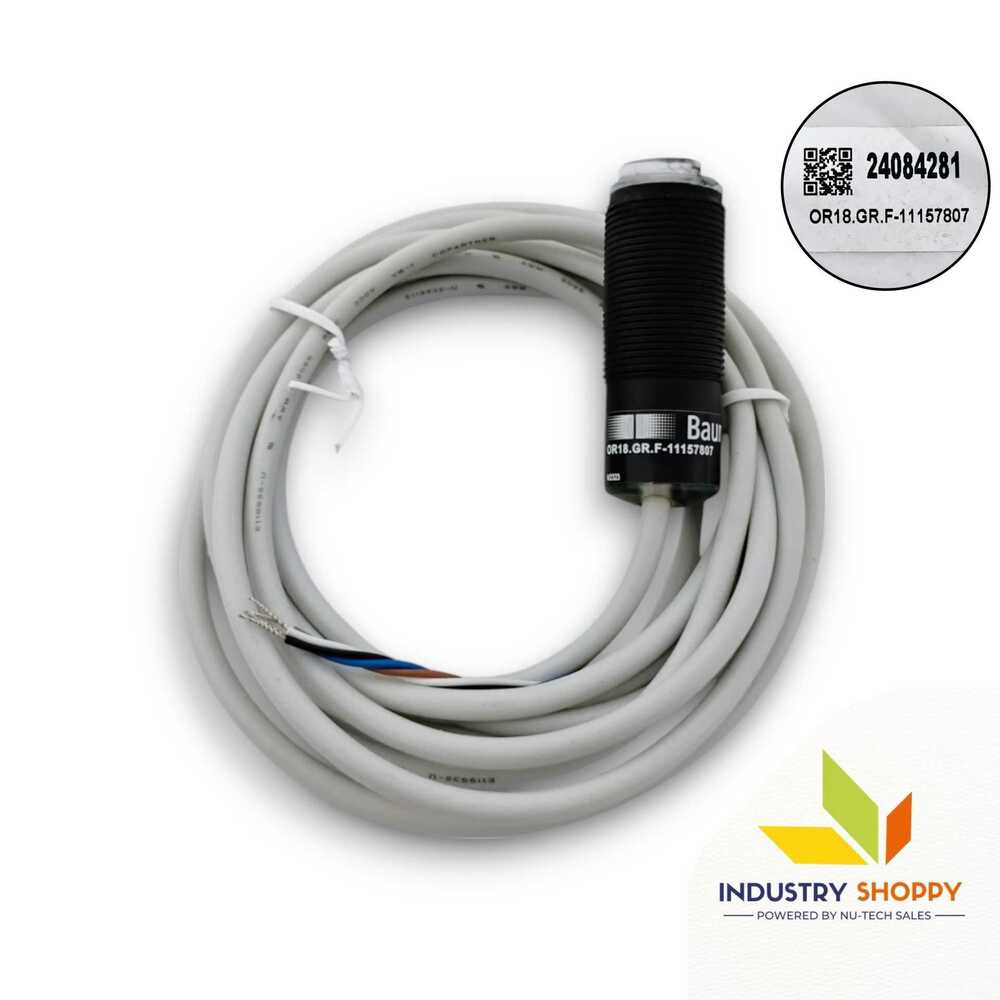
Datalogic SR21-IR Photoelectric Sensor
Product Details:
- Product Type Photoelectric Sensor
- Input 10-30V DC
- Usage Industrial Applications
- Accuracy 100 %
- Resolution No Resolution
- Warranty 12 Months
- Features Accuracy, Durability, Very less power consumption and Long service life.
- Click to View more
Datalogic SR21-IR Photoelectric Sensor Price And Quantity
- 5650 INR/Piece
- 150 Piece
Datalogic SR21-IR Photoelectric Sensor Product Specifications
- 100 %
- No Resolution
- Photoelectric Sensor
- 12 Months
- Accuracy, Durability, Very less power consumption and Long service life.
- 10-30V DC
- Industrial Applications
Datalogic SR21-IR Photoelectric Sensor Trade Information
- Paypal, Cash Against Delivery (CAD), Cash on Delivery (COD), Cash Advance (CA), Cash in Advance (CID), Cheque, Western Union
- 500 Piece Per Month
- 2 Week
- All India
Product Description
The Datalogic Sensor SR21-IR, with the product number SR21-IR and part number 953151070, is part of the SR21 series designed for label detection tasks. It emits light using red LED (633 nm), green LED (570 nm), and IR LED (880 nm). It features an M8 4-pole connector for easy connection and offers both PNP and NPN output types. The sensing distance ranges from 0 to 100 mm, making it suitable for various applications.
This sensor operates with a power supply ranging from 10 to 30 VDC. It consumes a maximum of 55 mA of power and has an output current limit of 100 mA. The response time of this sensor is a maximum of 20 s. It features a switching frequency of up to 25 kHz, ensuring rapid and efficient detection. With an IP65 mechanical protection rating, it is resistant to dust and water ingress, suitable for use in demanding environments.
Constructed with ZAMA housing material and glass lens material, this sensor offers robust mechanical protection and durability.Engineered to handle vibrations with 0.5 mm amplitude and frequencies from 10 to 55 Hz on all axes, it also boasts shock resistance of 11 ms (30 G) for up to 6 shocks per axis. Operating temperatures range from -20 to 60C, with a storage temperature range of -20 to 70C, providing reliability in various conditions.
Our engineers actively inputted all the required details of this sensor in accordance with the datasheet. Nevertheless, its imperative to recognize that errors may arise during this process. However, despite our sincere efforts, its important to remain cautious. Despite this, inaccuracies can still occur nonetheless.
Engineered for Industrial Precision
The Datalogic SR21-IR Photoelectric Sensor excels in demanding environments, thanks to its robust construction and accurate detection capability. Built to deliver long-lasting performance, it withstands tough industrial conditions while maintaining a high level of operational reliability. This sensor is engineered for those who require dependable solutions for their automation processes without frequent intervention or adjustments.
Versatile and Efficient Operation
Supporting a power input of 10-30V DC, the SR21-IR caters to diverse industrial requirements. Its design focuses on minimizing energy consumption while offering seamless integration into existing systems. With no adjustment required for resolution and featuring straightforward installation, the sensor is suitable for various locations and application setups, ensuring operational flexibility and efficiency.
FAQ's of Datalogic SR21-IR Photoelectric Sensor:
Q: How is the Datalogic SR21-IR Photoelectric Sensor typically used in industrial applications?
A: The SR21-IR Photoelectric Sensor is utilized to detect objects or changes in conditions on production lines or machinery. Its accuracy and durability make it invaluable for automated sorting, object counting, and presence detection in manufacturing and processing environments.Q: What are the main benefits of using this sensor in industrial settings?
A: Key advantages include 100% detection accuracy, durable construction, low power consumption, and a long operational lifespan. These features contribute to reduced downtime, operational cost savings, and reliable performance in continuous production scenarios.Q: When should I consider replacing or servicing the sensor?
A: Although the SR21-IR is built for longevity, it should be inspected regularly according to your facility's maintenance schedule. With a 12-month warranty, it is advisable to review its operation annually or whenever there is a noticeable decline in performance.Q: Where can I purchase the Datalogic SR21-IR Photoelectric Sensor?
A: This sensor can be sourced from a variety of partners, including dealers, distributors, exporters, importers, manufacturers, retailers, service providers, suppliers, and wholesalers, especially in regions such as China and worldwide.Q: What is the installation process for the SR21-IR Photoelectric Sensor?
A: The sensor is designed for straightforward installation, requiring only a compatible 10-30 VDC power source. Mount the sensor as directed in the user manual, connect the wiring to your control system, and verify alignment for accurate object detection.Q: How does the sensor's low power consumption impact its operation?
A: The low power requirement minimizes the sensor's operational costs and heat generation, making it efficient to run continuously in industrial environments and contributing to its extended service life.
Price:
- 50
- 100
- 200
- 250
- 500
- 1000+

Other Products in 'Photoelectric Sensor ' category

- Basement Floor, Plot No. 32, Pocket-03, Sector-A5, Narela,Delhi - 110040, India
- Phone : 07971190906
GST : 07APDPK0290A1ZH
- Mr Sanjeev Kumar (CEO)
- Mobile : 07971190906
- sales@industryshoppy.in
- Industrial LCD Module
- Industrial Cooling FAN
- Industrial Touch Panel
- Industrial Membrane Keypad
- Resistive Touch Screen
- IR Touch Overlay
- HMIs & PLC Modules
- SAW Surface Wave Touch Screen
- Touch Monitors
- Safety Light Curtains
- Rotary Encoder
- Ac Drive
- Gear Head
- Gear Motor
- Servo Drive & Servo Motor
- Speed Controller
- Protective Sticker
- Temparature Controller
- Color Mark Sensor
- Photoelectric Sensor
- Proximity Sensor
- Contrast Sensor
- Medical Equipment & Sensors
- Slot / Gap / Label Sensor
- Digital Pressure Sensor
- Laser Distance Sensor
- Fibre Optic Sensor
- Inductive Proximity Sensor
- Area Sensor
- Fork Sensor
- Diffuse Sensor
- Magnetic Sensor
- Ultasonic Sensor
- Safety Door Switch
- Door Switch

 Send Inquiry
 Send SMS
 Call Me Free
Developed and Managed by Infocom Network Private Limited.

