


 Send Inquiry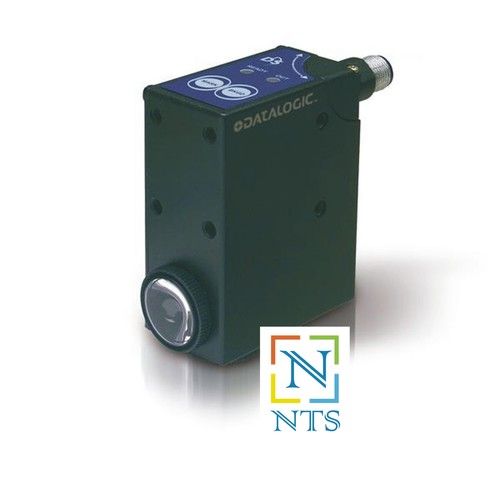
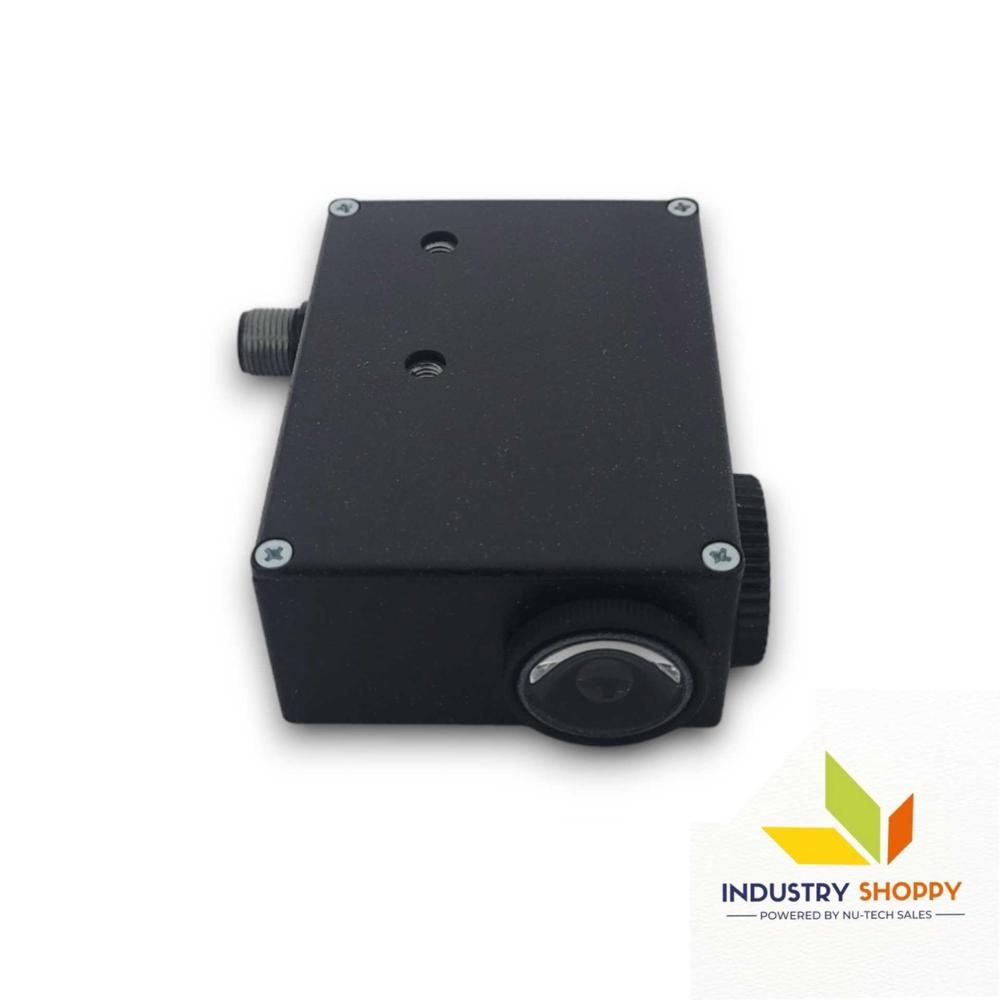
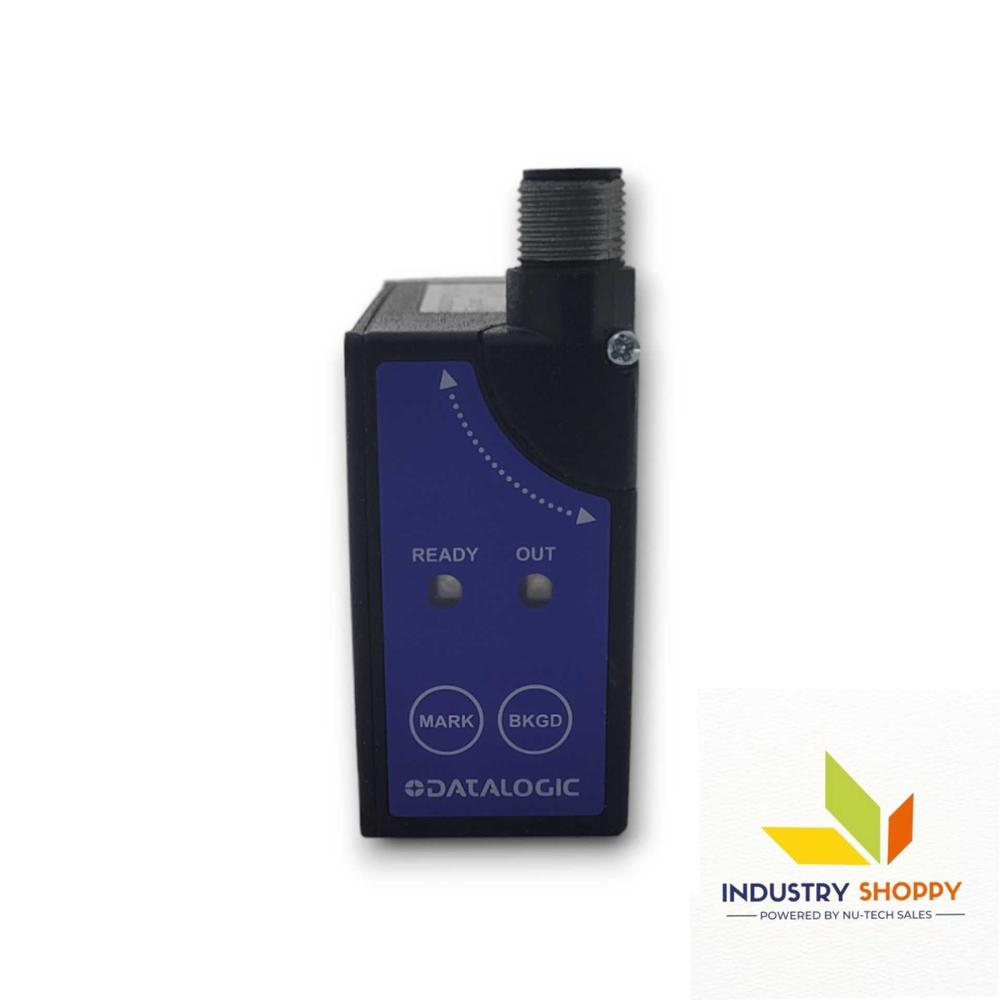
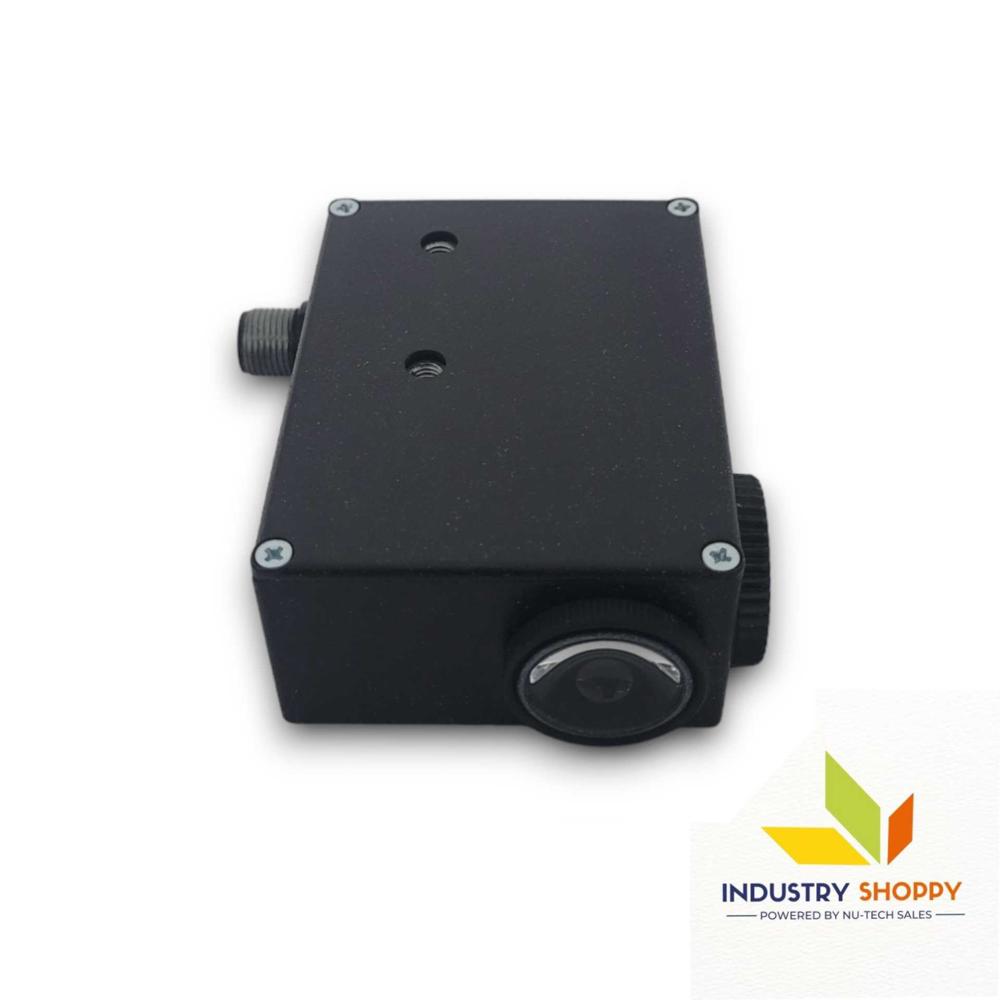
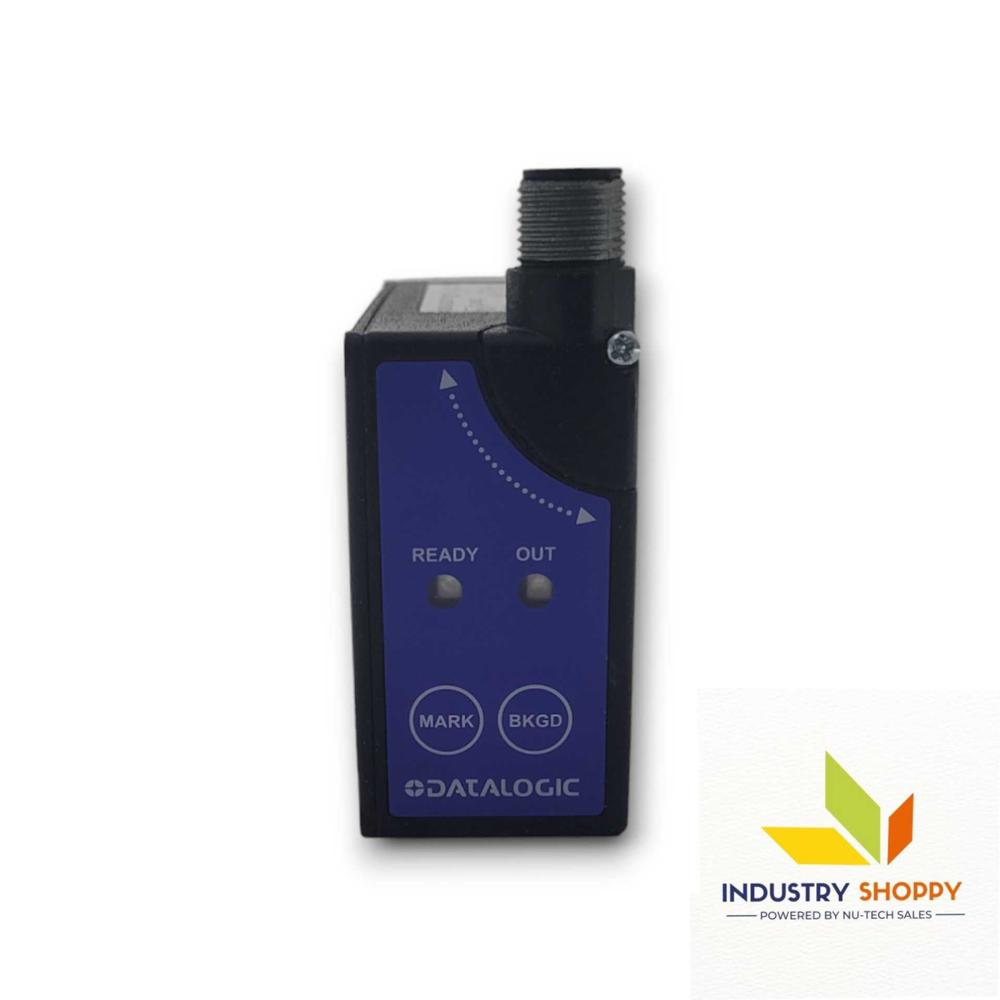
DataLogic TLu-515C Color Sensor
500.0 INR/Piece
Product Details:
- Product Type Color Mark Sensor
- Material All
- Input 10-30 VDC
- Output PNP /NPN
- Usage Industrial and medical Usage
- Warranty 12 Months
- Click to View more
X
DataLogic TLu-515C Color Sensor Price And Quantity
- 2 Piece
- 500.0 INR/Piece
DataLogic TLu-515C Color Sensor Product Specifications
- All
- PNP /NPN
- 10-30 VDC
- 12 Months
- Color Mark Sensor
- Industrial and medical Usage
DataLogic TLu-515C Color Sensor Trade Information
- Delhi
- Paypal, Telegraphic Transfer (T/T), Western Union, Cheque, Cash Advance (CA), Cash in Advance (CID)
- 500 Piece Per Month
- 2 Week
- Sample costs shipping and taxes has to be paid by the buyer
- Central America, Asia, Australia, Africa, North America, South America, Eastern Europe, Western Europe, Middle East
- All India
Product Description
The TLU-515C is a microprocessor based Contrast Sensor with ZAMA housing and glass lens. This sensor features LED emission, PNP output, circular spot and M12 connector connection. The TL -series microprocessor-based setting can be either "teach-in" using two push-buttons or "remote" by cable with the possibility of rapidly memorizing and recalling 4 different formats. The setting can also be dynamic and completely automatic in the models with the "auto-set" function. The LED emission white offers the possibility of operating on all contrasts also amongst same-coloured objects and backgrounds, presenting different surface treatments or workings. It offers the most reliable and innovative solutions for all detection applications of register marks and other neutral or coloured references.
Teach-in and remote settings
- Settings can also be dynamic and completely automatic in the models with the 'Auto-Set' function
- Interchangeable 9mm or 18mm lenses and fibre optic versions
- Metal housing with orientable optics and connector
- Output is NPN or PNP according to the model
- Power supply of 10VDC to 30VDC
- Operating temperature range from -10 C to 55 C
- Maximum current consumption is 80mA
- Wavelength of red LED is 630nm and green LED is 526nm
- Mechanical protection is IP67 rated
Applications : Industrial, Consumer Electronics, Portable Devices, Sensing & Instrumentation
Advanced Color Detection Technology
The DataLogic TLu-515C leverages advanced color sensing capabilities to detect subtle color differences on various surfaces and materials. Its high sensitivity enables consistent, reliable performance even under challenging industrial conditions, reducing errors and optimizing quality assurance.
Flexible Integration and Output Options
Designed to be compatible with both PNP and NPN output types, the TLu-515C can be easily integrated into a wide range of automation systems. Its 10-30 VDC input range further enhances installation flexibility for diverse industries and global markets.
Reliable Support and Warranty
Each TLu-515C sensor is supplied with a 12-month warranty, ensuring confidence in long-term operation. Comprehensive support is available through a network of dealers, distributors, and service providers, covering installation, troubleshooting, and maintenance needs.
FAQ's of DataLogic TLu-515C Color Sensor:
Q: How do I install the DataLogic TLu-515C Color Sensor in an industrial setup?
A: To install the TLu-515C, connect it to a suitable power source within the 10-30 VDC range, and choose the appropriate output configuration (PNP or NPN) according to your automation system. Securely mount the sensor to align with the target surface and follow the manufacturer's wiring and calibration guidelines.Q: What materials can the TLu-515C Color Sensor detect?
A: The TLu-515C is engineered to accurately detect colors on all material types, making it suitable for diverse industrial environments involving plastics, metals, paper, textiles, and more.Q: When should the TLu-515C Color Sensor be used in industrial processes?
A: This color sensor is ideal for any stage in the production line that requires precise color identification-for example, in quality control, sorting, labeling, or packaging, to ensure color consistency and reduce product errors.Q: Where can I purchase the DataLogic TLu-515C Color Sensor?
A: The TLu-515C is available globally through official importers, exporters, dealers, distributors, manufacturers, retailers, wholesalers, and service providers based in Italy and other major markets.Q: What is the process for obtaining warranty support for the TLu-515C sensor?
A: To access warranty support within the 12-month period, contact the authorized distributor or supplier from whom you purchased the sensor. Provide purchase documentation and detailed information on the issue to receive prompt assistance with repair or replacement.Q: How does the use of the TLu-515C benefit industrial operations?
A: By ensuring accurate color detection and reliable automation, the TLu-515C enhances production efficiency and helps maintain quality standards, leading to reduced wastage, fewer errors, and higher customer satisfaction.Tell us about your requirement

Price:
Quantity
Select Unit
- 50
- 100
- 200
- 250
- 500
- 1000+
Additional detail
Mobile number
Email

Other Products in 'Color Mark Sensor' category


CONTACT US
- Basement Floor, Plot No. 32, Pocket-03, Sector-A5, Narela,Delhi - 110040, India
- Phone : 07971190906
NU-TECH SALES
GST : 07APDPK0290A1ZH
GST : 07APDPK0290A1ZH
- Mr Sanjeev Kumar (CEO)
- Mobile : 07971190906
- sales@industryshoppy.in
PRODUCTS
- Industrial LCD Module
- Industrial Cooling FAN
- Industrial Touch Panel
- Industrial Membrane Keypad
- Resistive Touch Screen
- IR Touch Overlay
- HMIs & PLC Modules
- SAW Surface Wave Touch Screen
- Touch Monitors
- Safety Light Curtains
- Rotary Encoder
- Ac Drive
- Gear Head
- Gear Motor
- Servo Drive & Servo Motor
- Speed Controller
- Protective Sticker
- Temparature Controller
- Color Mark Sensor
- Photoelectric Sensor
- Proximity Sensor
- Contrast Sensor
- Medical Equipment & Sensors
- Slot / Gap / Label Sensor
- Digital Pressure Sensor
- Laser Distance Sensor
- Fibre Optic Sensor
- Inductive Proximity Sensor
- Area Sensor
- Fork Sensor
- Diffuse Sensor
- Magnetic Sensor
- Ultasonic Sensor
- Safety Door Switch
- Door Switch

 Send Inquiry
 Send SMS
NU TECH SALES
All Rights Reserved.(Terms of Use)
Developed and Managed by Infocom Network Private Limited.
Developed and Managed by Infocom Network Private Limited.

