


 Send Inquiry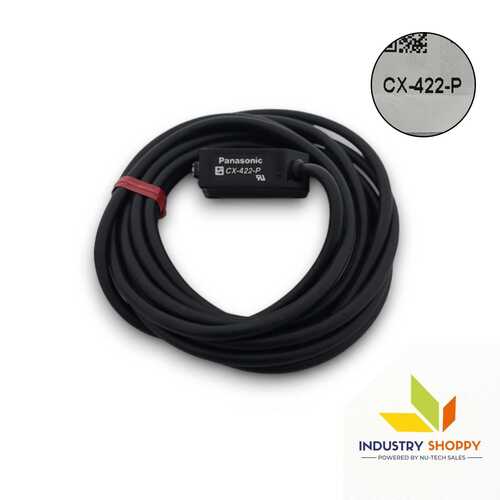

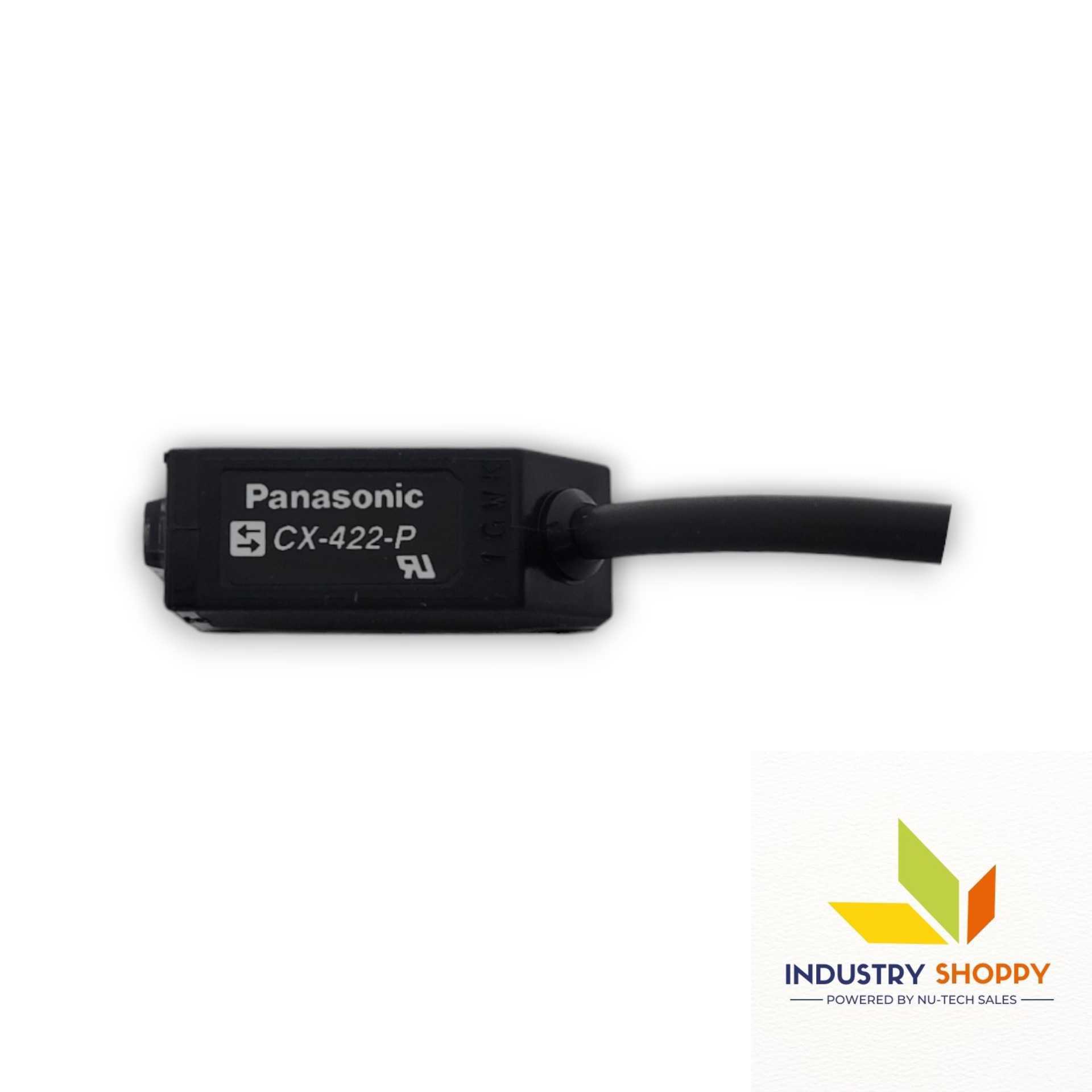
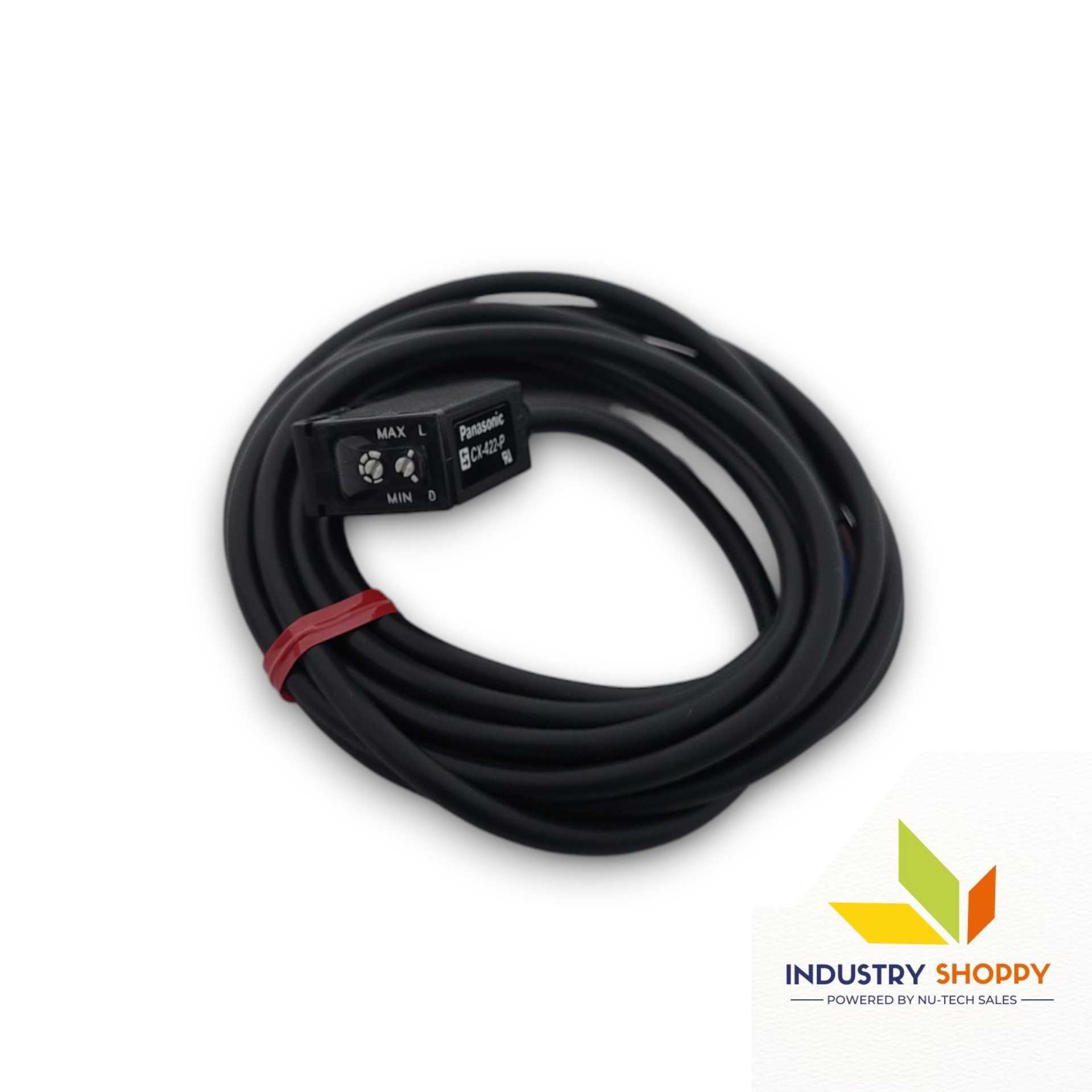
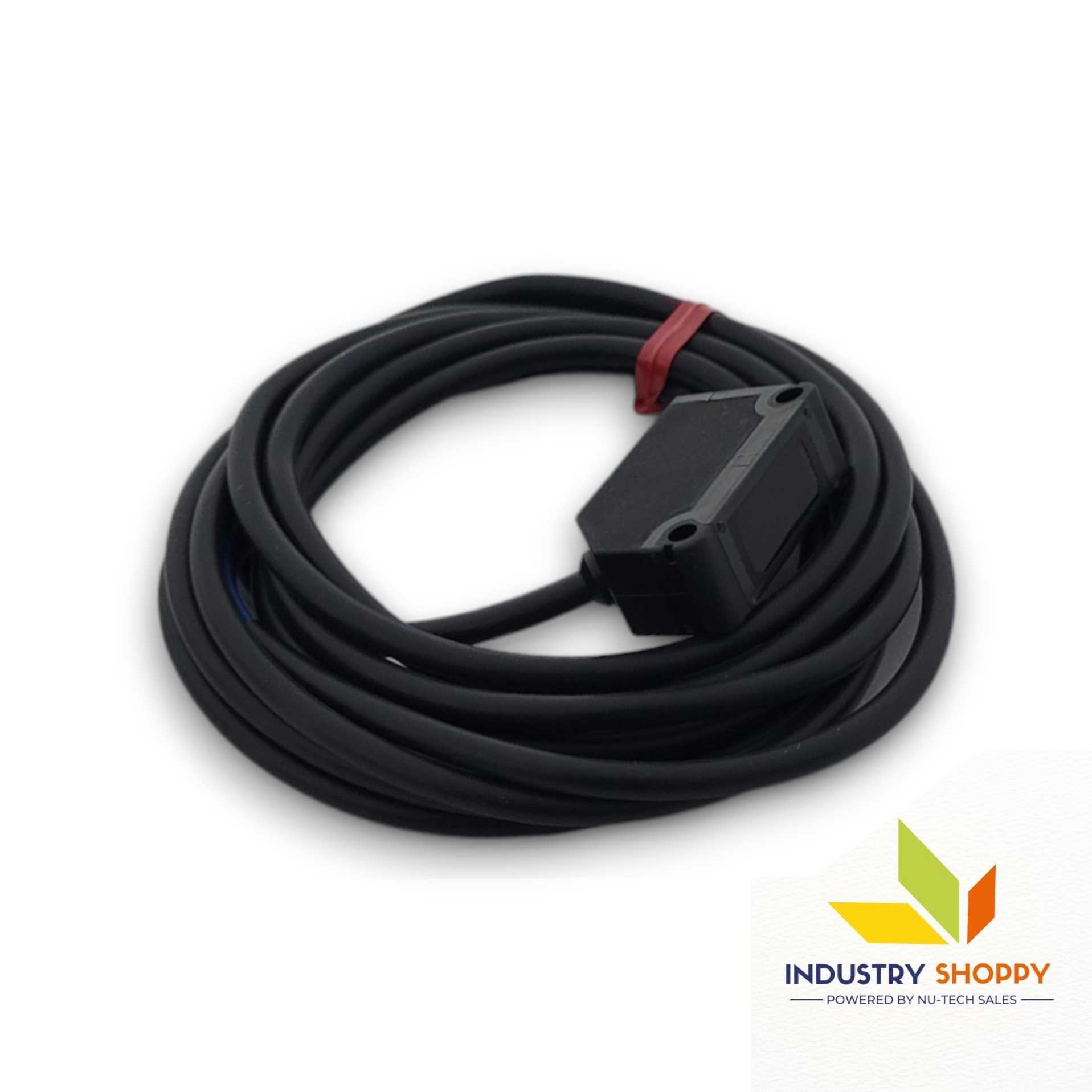
Panasonic CX-422-P Photoelectric Sensor
Product Details:
- Product Type Photoelectric Sensor
- Input 10-30V DC
- Usage Industrial Applications
- Accuracy 100 %
- Warranty 12 Months
- Click to View more
Panasonic CX-422-P Photoelectric Sensor Price And Quantity
- 100 Piece
- 2785 INR/Piece
Panasonic CX-422-P Photoelectric Sensor Product Specifications
- 10-30V DC
- 12 Months
- 100 %
- Photoelectric Sensor
- Industrial Applications
Panasonic CX-422-P Photoelectric Sensor Trade Information
- Paypal, Cash in Advance (CID), Cheque, Western Union
- 500 Piece Per Month
- 2 Days
Product Description
The Panasonic CX-422-P Photoelectric Sensor is a versatile photoelectric sensor designed to meet stringent industrial requirements. It complies with CE Marking Directives, including the EMC Directive and RoHS Directive, ensuring regulatory adherence for reliable operation. The CX-422-P features a sensing range of 800 mm and a repeatability of 1 mm or less, ensuring precise detection of opaque, translucent, or transparent objects. Its PNP open-collector transistor output, switchable between Light-ON or Dark-ON modes, offers operational flexibility, with integrated short-circuit protection ensuring safety.
The CX-422-P features an IP67 rating, protecting it from dust and water. Its PBT enclosure and acrylic components ensure durability in tough environments. Moreover, the sensors sensitivity adjuster and automatic interference prevention function enhance adaptability and reliability.
The Panasonic CX-422-P Photoelectric Sensor withstands temperatures from -25 to +55 (-13 to +131) for operation and -30 to +70 (-22 to +158) for storage. It demonstrates high electrical and mechanical resistance, including insulation resistance of 20 MOhm or more and vibration resistance up to 10 G in X, Y, and Z directions. Made in Japan, this sensor combines advanced technology with robust construction to deliver dependable performance in industrial applications.
Our engineers meticulously inputted all the necessary details of this sensor following the datasheet guidelines. However, its crucial to acknowledge the potential for errors during this process. Despite our diligent efforts, its imperative to remain vigilant as inaccuracies may persist despite our sincere endeavors.
IndustryShoppy.in is your one-stop destination for all industrial automation needs. With a vast array of products including sensors, HMIs, PLCs, and more, we
Exceptional Accuracy and Efficiency
The CX-422-P delivers 100% accuracy, making it ideal for tasks requiring reliable detection and sorting. Its low power consumption supports both sustainability goals and cost savings, while ensuring minimal operational downtimes thanks to its robust design.
Built for Industrial Demands
Designed for industrial settings, the sensor operates on a 10-30V DC input and withstands the rigors of automated manufacturing. Its long service life, paired with a 12-month warranty, provides users with confidence and value in demanding environments.
FAQ's of Panasonic CX-422-P Photoelectric Sensor:
Q: How is the Panasonic CX-422-P Photoelectric Sensor typically used in industrial applications?
A: The sensor is commonly used for detecting objects, position control, and counting tasks in manufacturing and automation lines, enhancing efficiency and accuracy in these processes.Q: What benefits does the CX-422-P offer over traditional sensors?
A: Key advantages include its remarkable 100% accuracy, energy efficiency with low power consumption, robust durability for harsh environments, and a long service life, all of which contribute to reduced maintenance and higher productivity.Q: When should the Panasonic CX-422-P be considered for replacement or maintenance?
A: While the sensor has a long operational life, periodic inspections are recommended to ensure optimal performance. With a 12-month warranty, users should review sensor function and replace if any inconsistencies arise before or at the warranty's end.Q: Where is the Panasonic CX-422-P available for purchase?
A: It is available through authorized dealers, distributors, exporters, importers, manufacturers, retailers, service providers, suppliers, and wholesalers in China, with global shipping options.Q: What installation process should be followed for the CX-422-P sensor?
A: Installation involves connecting the sensor to a 10-30V DC power supply and aligning it with the target object or surface. Detailed instructions are provided in the user manual, and technical support is available from suppliers.Q: How does the low power consumption of this sensor benefit industrial users?
A: The sensor's minimal energy usage helps lower operating costs, supports sustainability initiatives, and allows integration into energy-sensitive systems without overloading power resources.
Price:
- 50
- 100
- 200
- 250
- 500
- 1000+

Other Products in 'Photoelectric Sensor ' category

- Basement Floor, Plot No. 32, Pocket-03, Sector-A5, Narela,Delhi - 110040, India
- Phone : 07971190906
GST : 07APDPK0290A1ZH
- Mr Sanjeev Kumar (CEO)
- Mobile : 07971190906
- sales@industryshoppy.in
- Industrial LCD Module
- Industrial Cooling FAN
- Industrial Touch Panel
- Industrial Membrane Keypad
- Resistive Touch Screen
- IR Touch Overlay
- HMIs & PLC Modules
- SAW Surface Wave Touch Screen
- Touch Monitors
- Safety Light Curtains
- Rotary Encoder
- Ac Drive
- Gear Head
- Gear Motor
- Servo Drive & Servo Motor
- Speed Controller
- Protective Sticker
- Temparature Controller
- Color Mark Sensor
- Photoelectric Sensor
- Proximity Sensor
- Contrast Sensor
- Medical Equipment & Sensors
- Slot / Gap / Label Sensor
- Digital Pressure Sensor
- Laser Distance Sensor
- Fibre Optic Sensor
- Inductive Proximity Sensor
- Area Sensor
- Fork Sensor
- Diffuse Sensor
- Magnetic Sensor
- Ultasonic Sensor
- Safety Door Switch
- Door Switch

 Send Inquiry
 Send SMS
 Call Me Free
Developed and Managed by Infocom Network Private Limited.

