


 Send Inquiry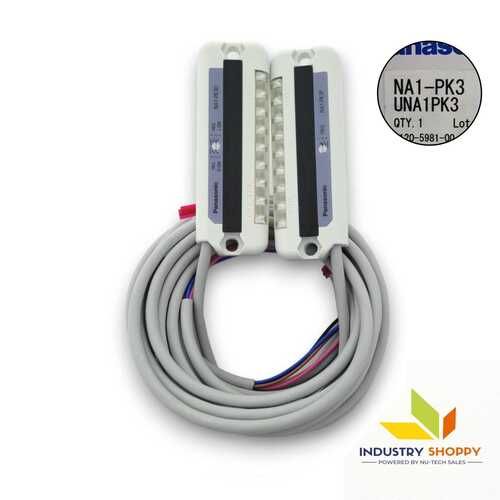
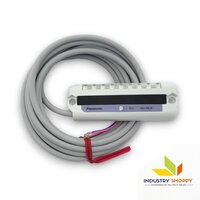
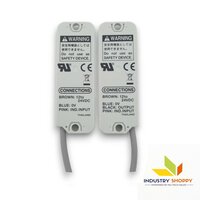
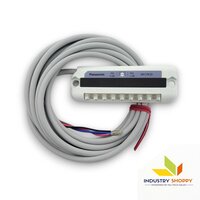
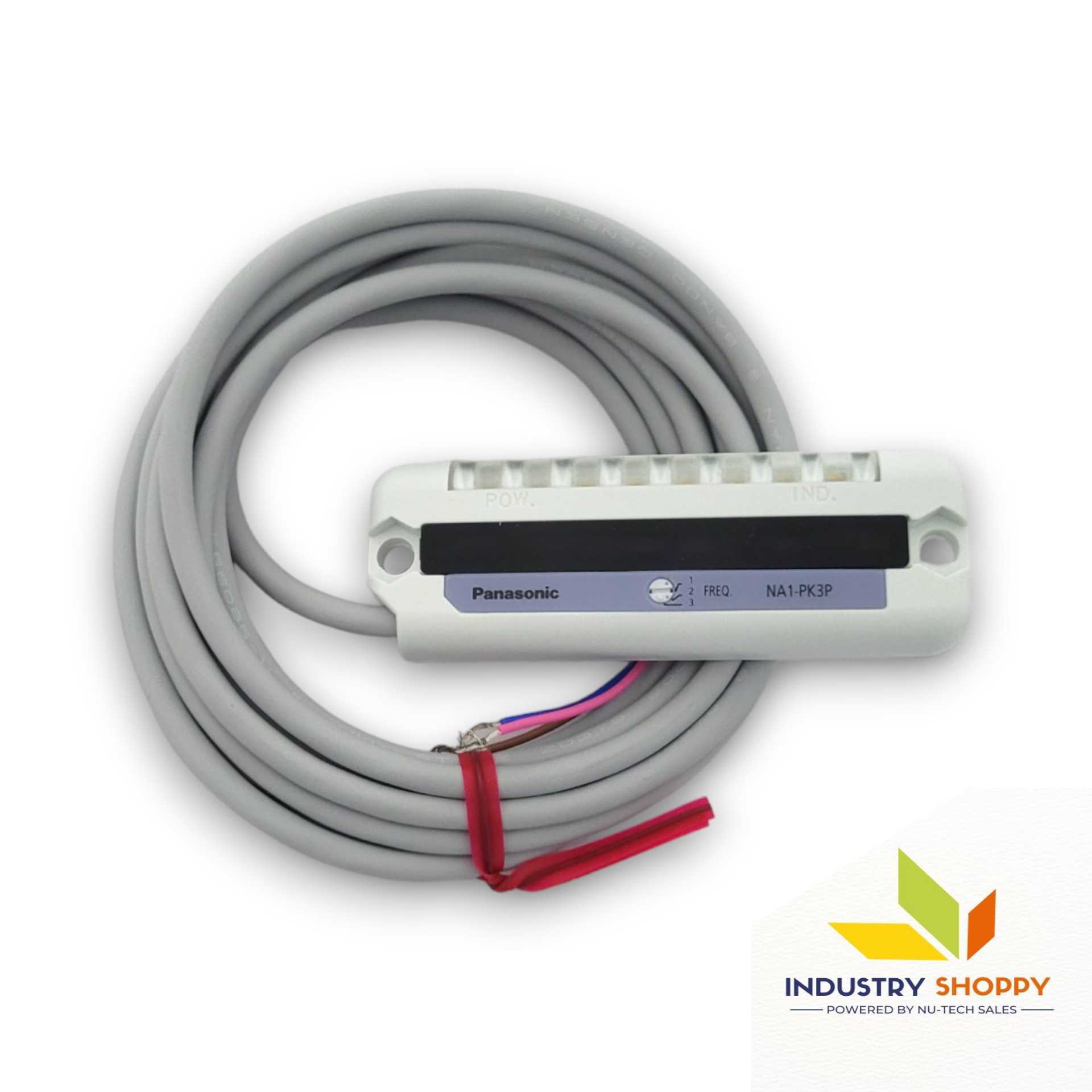
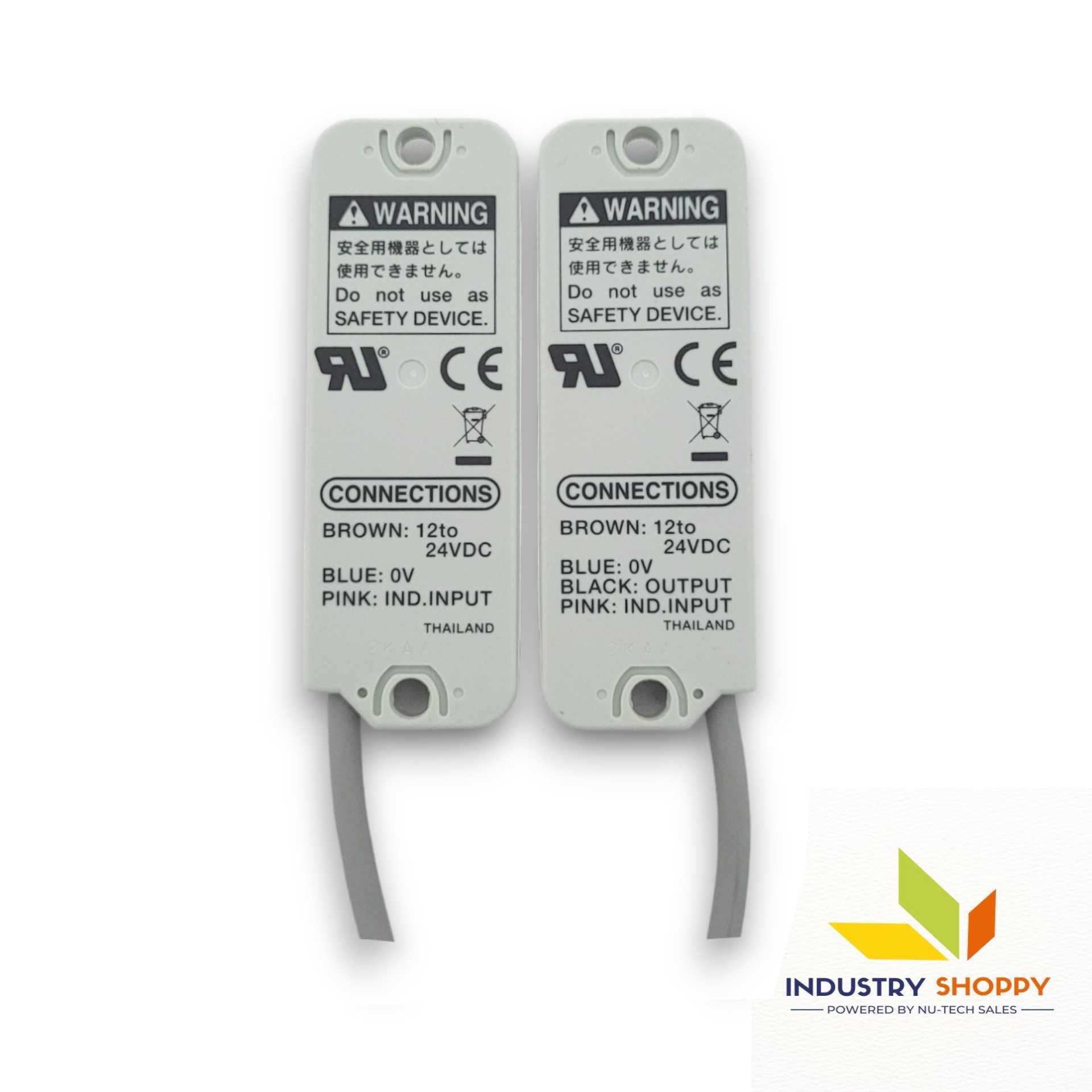
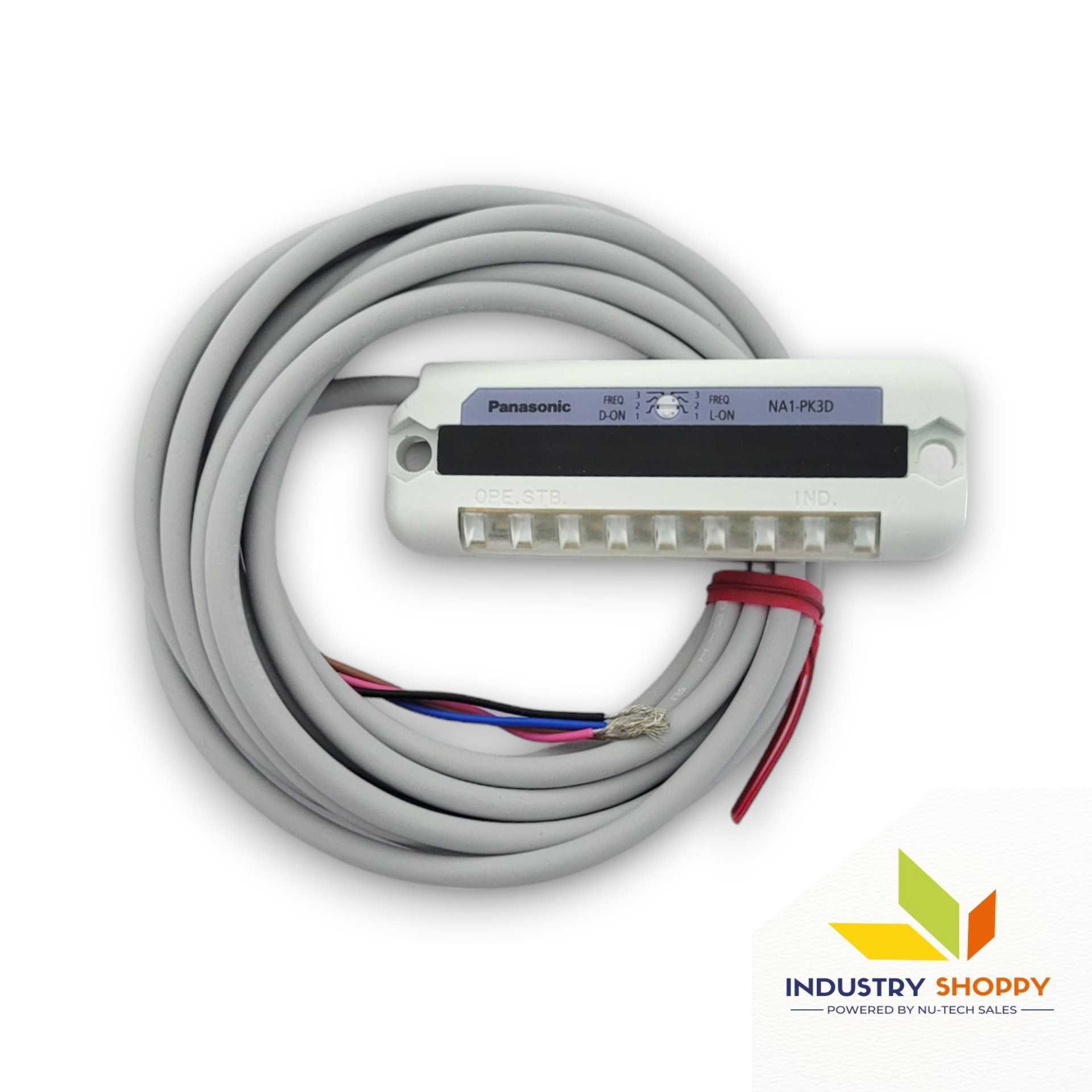
Panasonic NA1-PK3 Photoelectric Sensor
Product Details:
- Product Type Photoelectric Sensor
- Input 10-30V DC
- Usage Industrial Applications
- Accuracy 100 %
- Resolution No Resolution
- Warranty 12 Months
- Features Accuracy, Durability, Very less power consumption and Long service life.
- Click to View more
Panasonic NA1-PK3 Photoelectric Sensor Price And Quantity
- 5250 INR/Piece
- 100 Piece
Panasonic NA1-PK3 Photoelectric Sensor Product Specifications
- 100 %
- Accuracy, Durability, Very less power consumption and Long service life.
- No Resolution
- Photoelectric Sensor
- Industrial Applications
- 10-30V DC
- 12 Months
Panasonic NA1-PK3 Photoelectric Sensor Trade Information
- Paypal, Cash in Advance (CID), Cheque, Western Union
- 500 Piece Per Month
- 2 Days
Product Description
The Panasonic NA1-PK3 photoelectric sensor (UNA1PK3, NA1PK3), compliant with CE marking directives, offers a sensing height of 49.2 mm and a range from 30 to 300 mm.
The Panasonic NA1-PK3 photoelectric sensor provides precise detection with a sensing height of 100 mm and an adjustable range from 0.1 to 1.2 meters, or down to 0.05 to 0.5 meters when set to SHORT. Featuring five beam channels and a 25 mm beam pitch, it ensures reliable detection. The sensor excels at detecting opaque objects, especially those with a diameter of 35 mm or larger.
Operating efficiently with a power supply range of 12 to 24 V DC, the sensor consumes minimal power, with the emitter requiring 0.5 W or less and the receiver 0.8 W or less. Equipped with NPN open-collector transistors for output, it provides versatility in output operation and incorporates short-circuit protection for added reliability.
With an IP62 protection rating, this sensor is resilient against dust and water ingress, making it suitable for industrial environments. It can withstand ambient temperatures ranging from -10 to +55 , with storage temperatures from -20 to +70 . Additionally, it offers resistance to vibration and shock, ensuring durability in demanding conditions.
Constructed with heat-resistant ABS for the enclosure and acrylic for the lens and indicator covers, this sensor is designed for longevity. It comes with a 4-core cable, extendable up to 100 meters for both the emitter and receiver, providing flexibility in installation. Made in Thailand, it adheres to high-quality standards, offering reliability and performance in various industrial applications.
Unmatched Precision & Reliability
Benefit from the NA1-PK3's industry-leading 100% accuracy. This sensor operates consistently in challenging conditions, ensuring reliable detection and signaling in automation processes. Its durability and extended service life make it a preferred option for industries seeking reduced maintenance requirements and superior reliability.
Wide Industrial Compatibility
With a wide input voltage range of 10-30V DC, the Panasonic NA1-PK3 seamlessly integrates with various industrial systems. Its minimal power consumption makes it particularly valuable in energy-conscious environments where productivity and cost-efficiency are paramount.
FAQ's of Panasonic NA1-PK3 Photoelectric Sensor:
Q: How does the Panasonic NA1-PK3 Photoelectric Sensor enhance industrial automation?
A: The NA1-PK3 enhances automation by delivering accurate object detection, minimizing errors and enabling efficient, automated control processes. Its high precision supports improved quality control and streamlined operations.Q: What are the main usage scenarios for the Panasonic NA1-PK3 sensor?
A: This sensor is primarily used in industrial applications such as manufacturing lines, packaging systems, and automated equipment, where reliable object detection is essential for productivity and safety.Q: Where can I purchase the Panasonic NA1-PK3 Photoelectric Sensor in China?
A: The NA1-PK3 is available through a broad network of dealers, distributors, exporters, importers, manufacturers, retailers, service providers, suppliers, and wholesalers throughout China.Q: What is the process for installing the Panasonic NA1-PK3 Photoelectric Sensor?
A: Installation typically involves mounting the sensor in the desired location, connecting it to a 10-30V DC power source, and configuring the output according to your industrial system's requirements. Always refer to the manufacturer's manual for detailed guidance.Q: When should maintenance or replacement of the NA1-PK3 sensor be considered?
A: Given its extended service life and durability, maintenance needs are minimal. Replacement should only be considered if there are signs of wear or performance issues, or after the 12-month warranty period if required.Q: What benefits does the very low power consumption of the NA1-PK3 provide?
A: Low power consumption reduces operational costs, supports energy efficiency initiatives, and allows for longer equipment uptime, making it beneficial for both cost control and sustainability goals.
Price:
- 50
- 100
- 200
- 250
- 500
- 1000+

Other Products in 'Photoelectric Sensor ' category

- Basement Floor, Plot No. 32, Pocket-03, Sector-A5, Narela,Delhi - 110040, India
- Phone : 07971190906
GST : 07APDPK0290A1ZH
- Mr Sanjeev Kumar (CEO)
- Mobile : 07971190906
- sales@industryshoppy.in
- Industrial LCD Module
- Industrial Cooling FAN
- Industrial Touch Panel
- Industrial Membrane Keypad
- Resistive Touch Screen
- IR Touch Overlay
- HMIs & PLC Modules
- SAW Surface Wave Touch Screen
- Touch Monitors
- Safety Light Curtains
- Rotary Encoder
- Ac Drive
- Gear Head
- Gear Motor
- Servo Drive & Servo Motor
- Speed Controller
- Protective Sticker
- Temparature Controller
- Color Mark Sensor
- Photoelectric Sensor
- Proximity Sensor
- Contrast Sensor
- Medical Equipment & Sensors
- Slot / Gap / Label Sensor
- Digital Pressure Sensor
- Laser Distance Sensor
- Fibre Optic Sensor
- Inductive Proximity Sensor
- Area Sensor
- Fork Sensor
- Diffuse Sensor
- Magnetic Sensor
- Ultasonic Sensor
- Safety Door Switch
- Door Switch

 Send Inquiry
 Send SMS
Developed and Managed by Infocom Network Private Limited.

